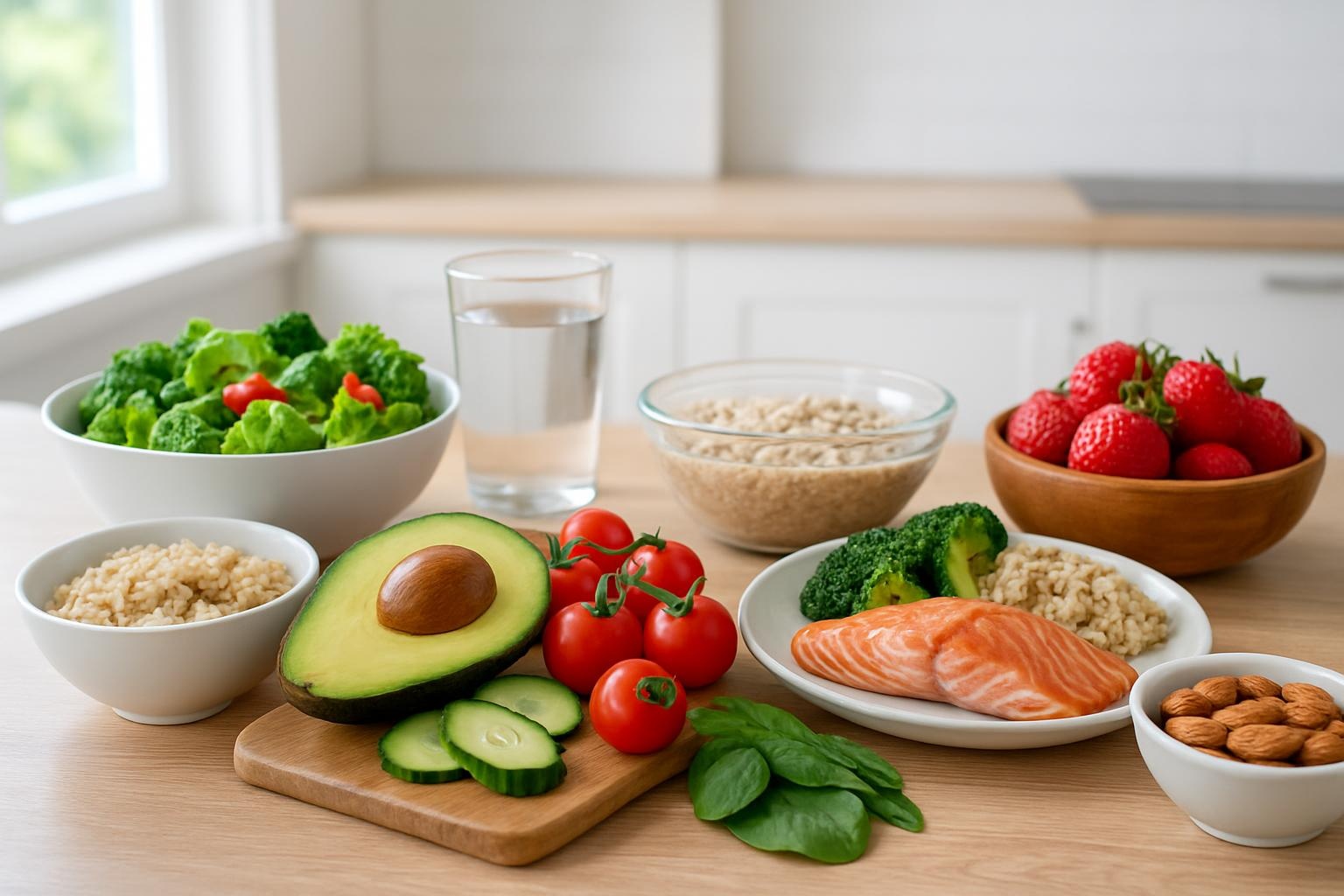
There is a topic that has drawn very little attention until today: foods lose their nutritional value during preparation. Today, obesity, cancer, and other diseases are increasing exponentially. Experts recommend that we prepare the foods we consume ourselves. The basis of healthy nutrition is the sufficient, balanced, and high-quality intake of proteins, fats, carbohydrates, vitamins, and minerals. The nutritional value that foods lose the most is vitamins.
Functions of Vitamins
- Strengthening the immune system to create resistance against diseases
- Protecting bone and dental health; preventing osteoporosis
- Protecting eye and skin health
- Blood production
- Preventing high blood pressure and diabetes
- Lowering blood cholesterol to protect cardiovascular health
- Strengthening brain functions; preventing forgetfulness, dementia, and depression
- Supporting the nervous and digestive systems of children in their developmental age
- Strengthening muscles
Consuming Foods Raw
Raw consumption is the healthiest way to preserve nutritional values; however, not every food can be consumed raw. Incorrect cooking and storage conditions can lead to vitamin loss of up to ninety percent. Raw consumption of vegetables and fruits provides great benefits for everyone except breastfeeding mothers, those who gave birth by cesarean section, those using antibiotics, and those with stomach diseases. Excessive fruit is also not healthy; fruits contain fructose and a small amount of alcohol. Variety in nutrition is important; even the nutritional values of an Amasya apple and a green apple differ from each other.
Soaking fruits in vinegar water and washing them thoroughly with plenty of water before consumption reduces chemical residues. Egg whites must be cooked; raw eggs reduce beneficial bacteria in the intestines and carry a salmonella risk. Sucuk (spicy sausage) should not be consumed raw due to additives. Fresh meat should also not be consumed raw; it carries a salmonella risk.
Preparation of Vegetables
Vegetables should be broken into pieces just before being placed in the pot; if cut beforehand, vitamin C loss increases. Those that can be broken by hand (lettuce, beans, spinach, chard, cabbage) should be broken by hand; others should be cut into large pieces. They should not come into contact with metal tools during washing. Vegetables should not be cooked in too much water or for a long time; zucchini, eggplant, spinach, chard, and purslane cook quickly. Since vegetables will release their own water, they should be cooked without water or with little water; the lid of the dish should be opened as little as possible to prevent oxidation. They should be consumed fresh after cooking. When vegetables lose their vitamin value, they begin to yellow and wilt.
Rolling and stuffing vegetables like chard, lettuce, zucchini flower, cabbage, and vine leaves: they are briefly boiled in pieces in boiling water; this process both softens them and removes chemical residues. This blanching water has no vitamin value; it is not suitable for a cure. Steaming is the most ideal method.
Preparing vegetables for a cure: Although the pulp of the vegetable is considered healthier than its juice, if a cure is to be made with water, it should first be dipped briefly in boiling water and removed or soaked in vinegar water to remove agricultural residues. To transfer the nutritional values into the water, the vegetable should be boiled in COLD WATER; 1-2 minutes after it starts boiling is sufficient. After turning off the heat and steeping for 10 minutes, the water is strained and used as a cure. The color of the vegetable boiled with this method remains more vibrant and bright; yellowing is an indicator of vitamin loss. If cabbage or vegetables are to be used for weight loss and cancer, they must be boiled in cold water.
Preparation of Herbal Remedies
The drying process is critically important to benefit from the healing power of plants: the healing power of a plant dried in the sun is lost; it should be dried in a cool and non-humid environment. Drinking herbal teas hot also reduces their healing powers. Research has shown that herbal teas prepared by boiling do not function to protect against cancer and diseases; hot teas only warm the insides.
Boiling destroys volatile oils; drying already eliminates vitamin C. It has been observed that dandelion root provides no benefit when boiled; its tablet forms have also not been found effective in healing. According to Prof. Dr. Kaj Winther, when rosehip tea is heated, its effectiveness and protein structure are lost; in cold water, its essence does not come out. Using rosehip in powder form, with its entire peel and seed, has been found effective against joint pains. Boiling and drinking lavender, hyssop, and yarrow is not advisable.
For hard and shelled plants (clove, carob, wheat, barley, black hellebore), it is more beneficial to pound them into powder in a mortar instead of boiling, and to steep them by waiting for boiled water to cool to 50°C. The best method for carob: soaking small pieces in boiled lukewarm water or consuming it raw. It is reported that caramels, which can be carcinogenic, may form when carob is boiled. In some regions of our country, licorice root syrup is prepared by leaving the roots in cold water to rest; this method is correct. Those who want to benefit from vitamin B from wheat should grow and consume wheatgrass.
Preparation of Dried Legumes
Legumes contain carbohydrates, protein, calcium, iron, zinc, and magnesium. Dried legumes should be stored on high shelves; infestation should be prevented. Soaking at room temperature for 10-15 hours (overnight) and cooking in a pressure cooker with the lid closed for 45-60 minutes is ideal. The soaking water can be discarded; there is no nutritional value loss. Protein loss occurs above 100°C, so they should be cooked over low heat. The boiling water should not be discarded; it contains water-soluble vitamins.
Preparation of Salads
Vegetables to be used should be washed with plenty of water and soaked in vinegar water. Cutting thinly with a knife destroys vitamins; slicing or breaking by hand is the most correct way. They should be prepared fresh; onions should not be cut and left to wait. Adding some olive oil to salads enables vitamin intake; vinegar cleanses foods from germs and balances the glycemic index. Cancer research centers document that olive oil is needed to fully absorb the vitamins in vegetables and that olive oil provides an Omega-3 and -6 balance.
Preparation of Meat and Meat Products
Boiling in water: Used for beef, chicken, and lamb. If meat is placed in cold water and heated, a large part of its food value passes into the water; this water is a good broth. If meat is placed in already boiling water, it forms a crust on the surface and preserves its value. Adding a bay leaf to the boiling water kills germs.
Grilling: Ideal for those with fat restrictions; preserves all food value. The grill should be heated first; meat brushed with olive oil should be placed on the hot grill. It should be turned with tongs, not pierced with a fork (piercing lets the juices out). Salt should not be added during grilling; salt causes the meat's juices to flow out. The thickness of the meat should be approximately 2 cm.
Frying: The thickness of the meat should be approximately 1 cm. It is recommended to fry it after brushing with olive oil. If fresh butter is placed on it after taking it out of the oven, the butter's burning is prevented.
Pressure cooker: The meat should first be lightly browned and then placed in the pot. Lean meats give good results in a pressure cooker; fatty meats are difficult to digest.
Vegetable stew: Acquires a pleasant aroma. Those with stomach and liver sensitivity may not digest meat with vegetables well.
Resting meats: Freshly slaughtered meats (except veal) should be rested for a certain period before being placed in the freezer. Resting allows the meat to tenderize. Recommended periods: lamb meat 7-15 days, beef 5-7 days, chicken meat 12 hours. Fish are not rested.
Preparation of Fish
Boiling in water: Lean fish are cooked in water; they should be boiled enough for the inner parts to cook. A bay leaf can be added to the boiling water. Shrimp should be added to water that has started to boil; hot water makes them rubbery, cold water takes away vitamins. Baking soda and mineral water used to soften octopus and squid should be washed off with plenty of water before cooking.
Grilling: The rules for meat grilling apply. It is understood that the fish is cooked when it separates from the bones when shaken. It should be placed after brushing with olive oil.
In the oven: The tray is greased with extra virgin oil and the fish is placed in the oven. Butter should not be added; it burns when hot.
Pasta and Bulgur
Discarding the boiling water means discarding B vitamins as well. Pasta and bulgur should be cooked in little water, until the water is absorbed.
When Should Salt Be Added?
If salt is added during cooking, vegetables absorb excessive salt. Adding salt after serving both prevents excessive salt intake and reduces carcinogenic risk.
For pickles: Citric acid is a harmful food additive; it has been observed to cause harm in patients with stomach issues. Vinegar or lemon should be preferred in pickle making; chickpeas can be used for fermentation. Onion seeds have high antioxidant value.
Microwave Oven
Research has confirmed that foods cooked in the microwave suffer a high rate of vitamin loss; broccoli loses 85% of its vitamins. The lycopene content of tomatoes increases as they are cooked; while sun-prepared tomato paste contains high lycopene, cooking in the microwave lowers the lycopene value. Preparing or heating baby food in the microwave is absolutely not recommended.
Aluminum Usage
Aluminum usage is among the leading factors causing cancer. It should not be used in the preparation and storage of foods. Using aluminum foil in the oven doubles the carcinogenic effect due to heat reflection.
Insufficient intake of nutritional values, especially vitamins, is one of the main causes of weight problems.