A public health study published in the Journal of Clinical Investigation found that soy estrogen does not reduce the frequency of coronary heart disease and strokes. Yet for years, laudatory articles about soybeans, contributed to by scientists and doctors, were constantly relayed to us. They kept writing, "Why don't East Asians get cancer, why is there no breast cancer among them? Because they eat soybeans." All women were recommended soy for menopausal troubles.
What Do New Studies Say?
Now the harms of soy are being discussed. Public health researchers determined that soy estrogens do not reduce the frequency of coronary heart disease and strokes; moreover, it was proven in mice that it thickens the heart muscle, leading to death. In light of these findings, soy milk, tofu, and soy ground meat are not recommended. Research on fermented soy sauces is ongoing. Soy tablets used during menopause are also not recommended until research is completed.
An interesting note: Soy used to grow spontaneously in some regions of Anatolia; it was not eaten because it was known to be harmful to health.
Old Claims
New research has revealed the opposite of most of the old claims listed below. Previous research said the following about soy:
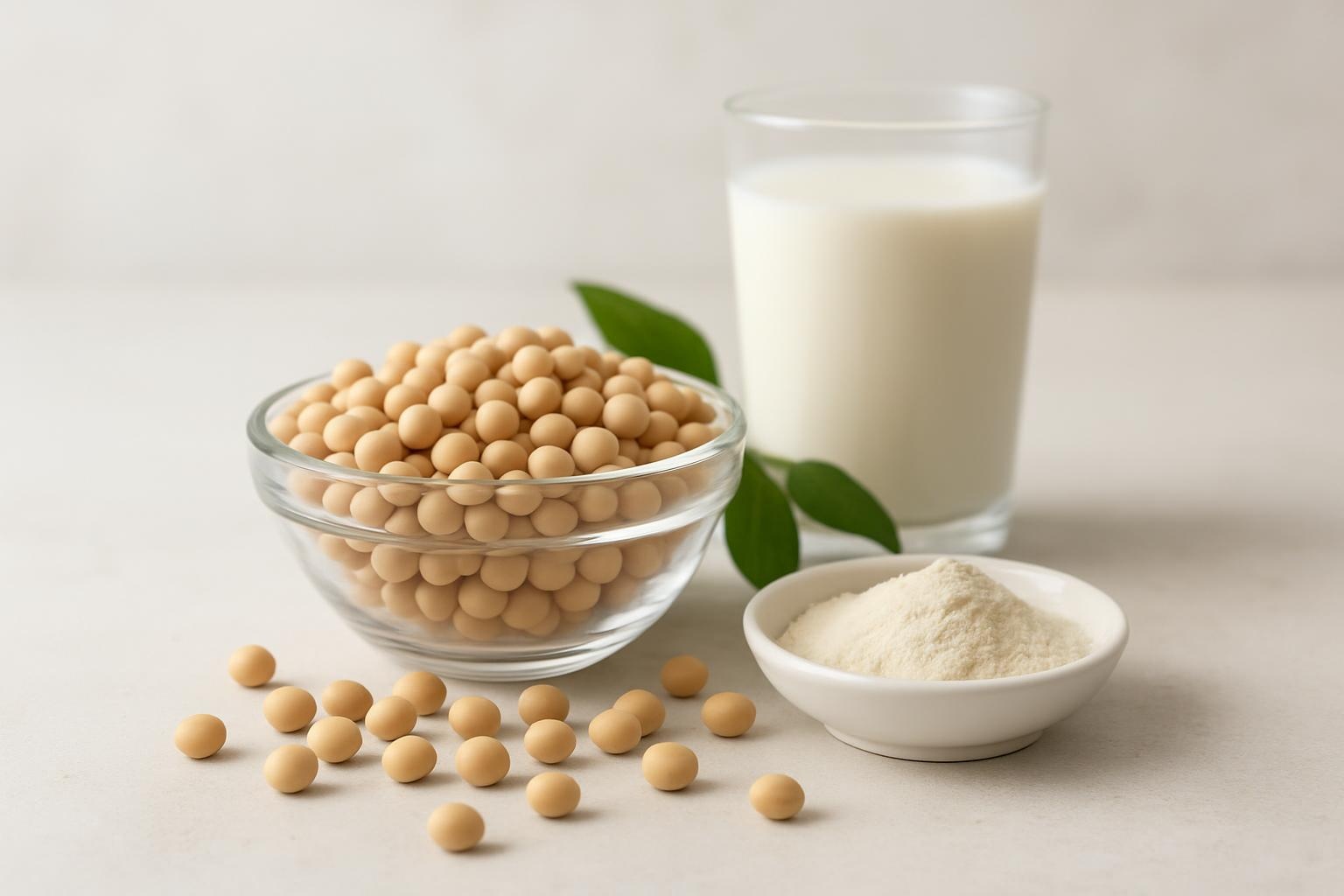
It was argued that soy's high-quality protein, its protective effect against diseases, and its contribution to growth meant it should be consumed from pregnancy to old age. Many world countries made radical changes in their dietary habits; scientists developed alternatives to increase consumption. It is now possible to find soy flour, soy sprouts, soy milk, soybeans, soy ground meat, soy meat, and soy bread in markets.
It was claimed that a diet rich in soy strengthens long and short-term memory and contributes to mental flexibility. In addition, the following claims were brought up:
- Soy lowers LDL cholesterol while raising HDL cholesterol and protects heart health
- Long-term use in breast inflammation and breast cancer provides reversal
- Regular use of soy milk helps lower high blood pressure
- The protein in soy has an anti-inflammatory (pain-reducing) effect
- Ferratin in soy is a good source of iron, especially for women
- Men who drink two glasses of soy milk a day have a 70% reduced risk of prostate cancer
Soybeans, which stand out with their high protein content (34 grams of protein per 100 grams); also contain omega-3 fatty acids, isoflavones, and dietary fibers. However, current research reevaluating all these characteristics reveals that soy may not be as harmless as thought.