Cocoa Nutritional Values (100 g)
- Calories: 363 kcal
- Energy: 1518.8 kJ
- Protein: 14 g
- Carbohydrates: 45.8 g
- Fat: 11.7 g
- Cholesterol: 0 mg
- Fiber: 16.8 g
Vitamins:
- Vitamin A: 6 IU
- Vitamin E: 0.8 mg
- Vitamin K: 0 IU
- Vitamin B1: 0.1 mg
- Vitamin B2: 0.2 mg
- Vitamin B3: 4.2 mg
- Vitamin B5: 0.7 mg
- Vitamin B6: 0 mg
- Biotin: 10 IU
- Vitamin B9: 23 IU
Mineral Values:
- Sodium: 12 mg
- Potassium: 1058 mg
- Calcium: 99 mg
- Magnesium: 294 mg
- Phosphorus: 475 mg
- Iron: 7.7 mg
- Zinc: 3 mg
- Copper: 3.2 mg
- Manganese: 2.1 mg
- Fluoride: 0.1 mg
- Iodine: 4.4 IU
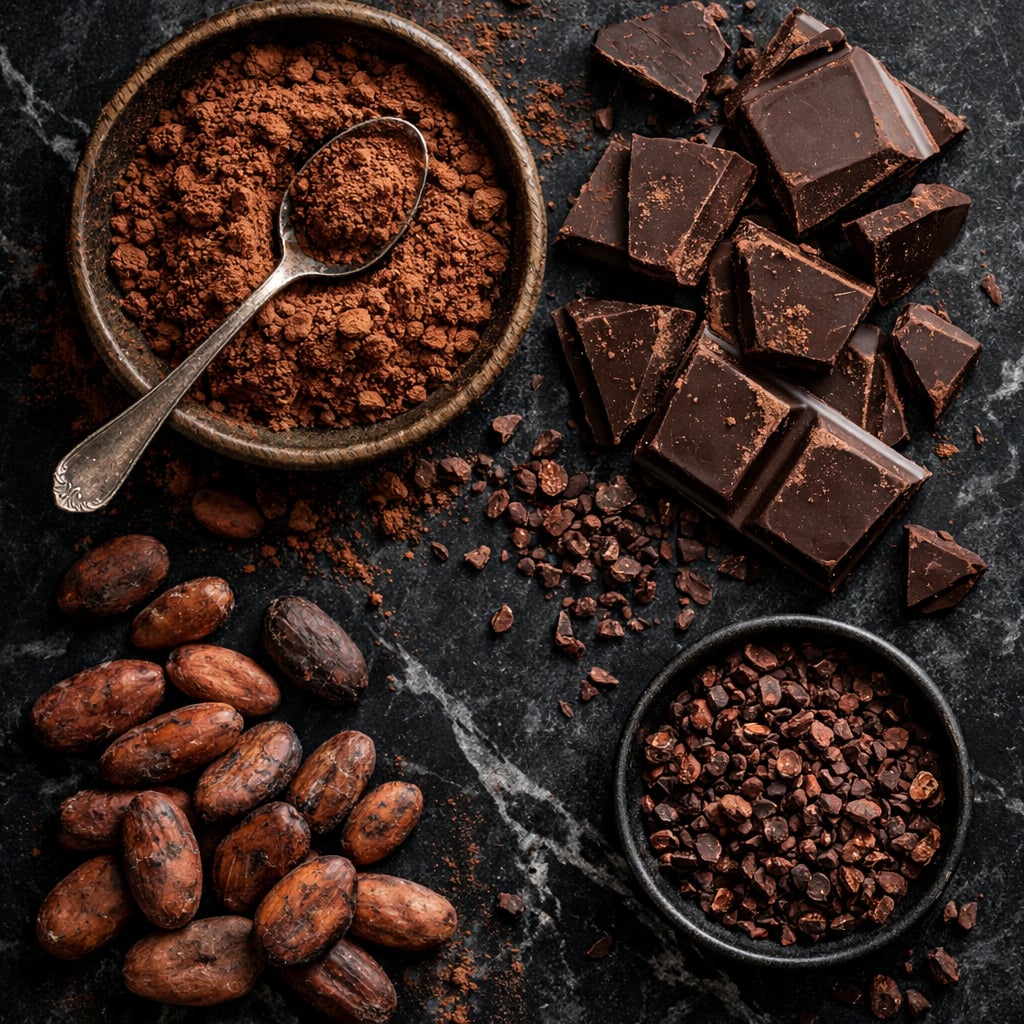
Cocoa helps deliver oxygen to the brain. As long as it is not consumed excessively, it is quite healthy. Cocoa butter is also used as a skin rejuvenator and wound healer. It is used for pregnancy stretch marks and as a skin refiner. Cocoa is an addictive food.
The natural form of melatonin supplements sold on the market is derived from cocoa. Pure dark chocolate contains abundant polyphenols, magnesium, potassium, phosphorus, and vitamin E.
It contains over 150 active flavones. Flavone is a healing substance known to be effective in the treatment and prevention of cancer.
It is beneficial for patients in poor general condition. It is a source of potassium. It helps produce serotonin, melatonin, and endorphin hormones. It also helps with chronic fatigue.
It creates a natural shield against cancer in the body. Studies have shown a 20% decrease in LDL levels among those who regularly consume one bar of dark chocolate per day. It has also been found to have blood pressure-lowering effects.
Cocoa milk is recommended for children's development.
It has been determined that flavanol found in cocoa helps deliver more oxygen to the brain.
SAN FRANCISCO – Ian MacDonald from the University of Nottingham, presenting a report at the annual meeting of the American Association for the Advancement of Science, stated that flavanol, an antioxidant found in cocoa beans, enables more oxygen to reach the brain, reducing memory problems in older age.
Norman Hollenberg from Harvard University Medical School also reported that similar health indicators were observed in the Native American "Cuna" tribe in Panama, due to their consumption of cocoa in its natural form.
Due to the calorie issues arising from chocolate being a sweet food, intensive chocolate consumption is not recommended; cocoa is suggested instead. However, most cocoa products on the market have their flavanol levels reduced due to the sharp taste it produces.
Dark chocolates with high flavanol content are recommended for protecting heart and vascular health. The recommended amount is around 15-20 grams.