The importance of nutrition in cancer prevention and for a healthy life is significant. Today, obesity, cancer, and other diseases are increasing exponentially. The recommendation of experts: we should prepare the foods we will consume ourselves. The foundation of healthy eating is based on the sufficient, balanced, and high-quality intake of proteins, fats, carbohydrates, vitamins, and minerals.
Functions of Vitamins
- Strengthening the immune system to build resistance against diseases
- Protecting bone and dental health; preventing osteoporosis
- Protecting eye and skin health
- Blood production
- Preventing high blood pressure and diabetes
- Lowering blood cholesterol to protect cardiovascular health
- Strengthening brain functions; preventing forgetfulness, dementia, and depression
- Supporting the nervous and digestive systems of children in their developmental stage
- Strengthening muscles
B and C vitamins are water-soluble vitamin groups. (except B12) Since they are not stored in the body, they must be obtained daily through food; they are largely lost during cooking.
Consuming Foods Raw
Raw consumption is the healthiest way to preserve nutritional values; however, not all foods can be consumed raw. Incorrect cooking and storage conditions can lead to vitamin loss of up to ninety percent. Raw consumption of vegetables and fruits provides significant health benefits for everyone except breastfeeding mothers, those who gave birth by cesarean section, antibiotic users, and those with stomach diseases. Daily consumption of 5 portions of fruit is recommended by all experts. Vegetables that should not be consumed raw include eggplant, sweet potato, beans, peas, and green tomatoes.
To preserve the nutritional value of vegetables and fruits: they should be stored in a cool place without being bruised or crushed; soaking fruits in vinegar water before consumption and washing them thoroughly with water reduces chemical residues. Egg white must be cooked; drinking raw eggs reduces beneficial bacteria in the intestines and carries a salmonella risk. Sucuk and sausage should not be consumed raw due to additives.
Preparation of Vegetables
Vegetables should be cut just before being placed in the pot; if cut beforehand, vitamin C loss increases. Foods that can be torn by hand (lettuce, beans, spinach, chard, cabbage) should be torn by hand, not with a knife; others should be cut into as large pieces as possible. They should not come into contact with metal tools during washing.
When cooking: vegetables should not be cooked in too much water or for a long time; foods like zucchini, eggplant, chard, spinach, and purslane cook quickly. Since vegetables will release their own water, they should be cooked with no water or very little water; the lid of the pot should be opened as little as possible to prevent oxidation. After cooking, they should be rested for about 10 minutes and consumed fresh. When vegetables lose their vitamin value, their color yellows and fades.
For stuffing and dolma vegetables like chard, lettuce, zucchini flower, cabbage, vine leaves, and collard greens: they are briefly boiled in pieces in boiling water; this process both softens the vegetable and removes chemical residues. This boiling water does not carry vitamin value. Steaming is the most ideal method.
Spices, after opening, and coffee should be stored in a metal container in the refrigerator.
Preparation of Dried Legumes
Dried legumes should be stored on high shelves; infestation should be prevented. Soaking at room temperature for 10-15 hours (from the evening before) and cooking in a pressure cooker is ideal; cooking with the lid closed for 45-60 minutes is sufficient. The soaking water can be discarded; there is no nutritional loss. The outer skins are thus removed more easily and digestion is facilitated. Since protein loss occurs above 100°C, cooking should be done over low heat. If they are to be pre-boiled, the boiling water should not be discarded; water-soluble vitamins are in this water.
Preparation of Salads
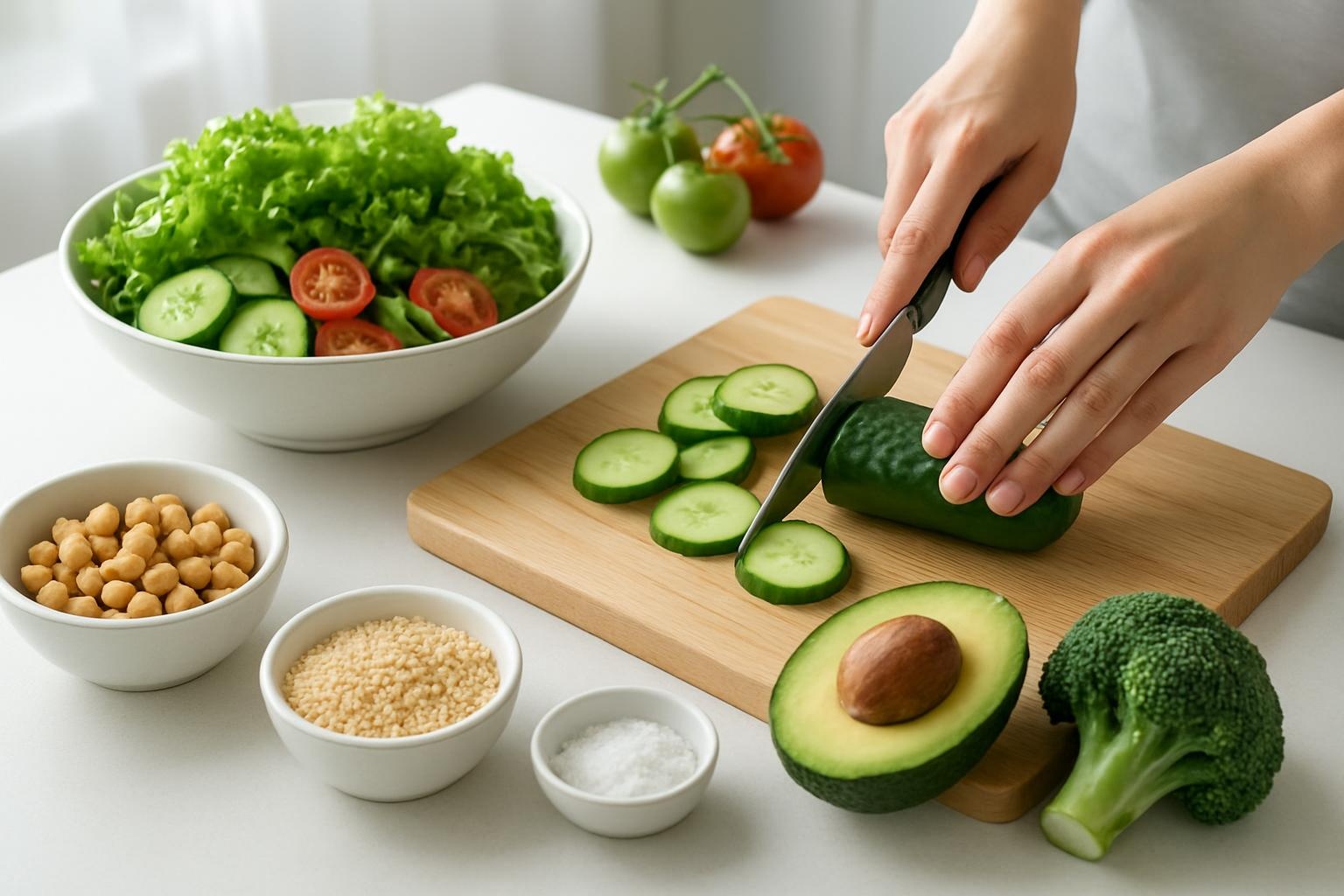
Vegetables to be used should be washed thoroughly with water and then soaked in vinegar water for a while. Chopping finely with a knife destroys vitamins; slicing or tearing by hand is the most correct method. To prevent vitamin C loss, they should be prepared fresh; especially onions should not be cut and left to sit.
Preparation of Meat and Meat Products
To make meat and fish tasty and easily digestible, different rules apply depending on the preparation method.
Boiling in water (meat): Used for beef, chicken, and lamb. If meat is placed in cold water and heated, a large part of its food value passes into the water; this water is a good broth. If meat is placed in boiling water, it forms a crust on the surface and retains its value. Putting a bay leaf in the boiling water kills germs. Boiled meat broth is not suitable for liver patients.
Grilling: Ideal for those with fat restrictions; preserves all food value. The grill should be heated first, and meat brushed with olive oil should be placed on the hot grill. It should be turned with tongs, not pierced with a fork. Salt should not be added during grilling; salt causes the meat's juices to run out. Grilling meat should be about 2 cm thick.
Pressure cooker: Meat should first be lightly browned and then placed in the pot. Lean meats give good results in a pressure cooker; fatty meats are difficult to digest.
Vegetable stew: Meat is cooked with potatoes or vegetables, acquiring a pleasant aroma. Those with stomach and liver sensitivity may not digest meat with vegetables well.
Freezer storage: Freshly cut meats (except veal) should be rested for a certain period before being placed in the freezer. Resting allows the meat to tenderize; ask your butcher how long it has been rested.
Fish Preparation
Boiling in water: Lean fish are cooked in water; they must be boiled enough for the interior to cook. A bay leaf can be added to the boiling water. If seafood like shrimp, lobster, and octopus are to be boiled, the water should be neither too cold nor too hot; they should be added when the water starts to boil. Baking soda and mineral water used to soften octopus and squid should be washed off thoroughly with water before cooking.
Grilling: The rules for meat grilling also apply to fish. That the fish is cooked is understood when it separates from the bones when shaken. It should be brushed with olive oil and placed on the grill; if done on a barbecue, oil is not used.
In the oven: The tray is greased with extra virgin oil and the fish is placed in the oven. Butter should not be added; it burns at high heat.
Pasta and Bulgur
Discarding the boiling water means discarding B vitamins. Pasta and bulgur should be cooked in little water until the water is absorbed.
When Should Salt Be Added?
If salt is added during cooking, vegetables absorb excessive salt; especially potatoes absorb a lot of salt. Adding salt after serving both prevents excessive salt intake and reduces carcinogenic risk. Minimizing the amount of salt is a more sustainable path than eliminating it completely.
For pickles: Citric acid has been observed in studies on stomach patients to harm the stomach; lemon, grape, or vinegar should be preferred in pickle making. Onion seeds, mustard, and celery seeds can be used.
Microwave Oven
It has been demonstrated by university research that microwave ovens are carcinogenic. Studies by British scientists have shown that foods cooked in the microwave suffer high rates of vitamin loss; broccoli loses 85% of its vitamins. Preparing or heating baby food in the microwave is absolutely not recommended.
Aluminum Use
Aluminum use is among the leading factors causing cancer. It should not be used in the preparation and storage of foods.
Frozen Foods
Since industrial frozen foods are obtained at high shock freezing temperatures like -40°C, they preserve their nutritional values. In home freezing, since freezing occurs slowly, vitamin loss occurs. Products in stores may have undergone freezing and thawing cycles; products that are stuck together, icy, or excessively frosty should not be purchased. Thawed products should not be refrozen; those that need to be thawed should be thawed in the refrigerator, not at room temperature. Home freezer storage time is 7 days, while the shelf life in stores (-18°C) is 2 years.