Usage Areas of Lecithin in the Body
A large part of the cell membrane structure, which regulates the entry and exit of nutrients into and out of cells, is composed of lecithin. Lecithin is one of the fundamental building blocks of the brain; it protects the body against arteriosclerosis and cardiovascular diseases, strengthens brain functions, and contributes to body energy. It helps reduce the effects of aging, immune system disorders, chronic fatigue syndrome, and the repair of liver cells damaged by alcohol. Lecithin, which belongs to the phospholipid group, enables the structuring of cells; the human body can produce this substance itself or obtain it from food. It should especially be taken with food against stress and after intense training.
Scientific research has shown that lecithin removes yellow-brown fat deposits on the skin, increases gamma-globulin in the body, reduces insulin needs in diabetes, and is a valuable auxiliary substance in skin diseases such as acne, eczema, and psoriasis. Lecithin, a powerful brain nutrient, also slows aging and lowers blood pressure by reducing cholesterol levels. Since it is partially soluble in water, it acts as an emulsifier and is used in many food, diet, cosmetic, and pharmaceutical products. When taken with or before meals, it ensures that fats entering the body are destroyed without being stored; therefore, it is also used for weight loss purposes.
Lecithin deficiency can lead to forgetfulness, digestive problems, disgust towards fats, nausea, hypertension, and joint-muscle problems. It also supports the absorption of fat-soluble vitamins (such as thiamine and vitamin A). It is the primary source of the essential fatty acids choline (phosphatidylcholine) and inositol; choline helps burn fats in metabolism and contributes to the formation of acetylcholine, which is the fundamental substance in the electrical control of nerve impulses.
Benefits
- Protects the body against arteriosclerosis and cardiovascular diseases; reduces the risk of vascular occlusion.
- Melts body fats; ensures that fats obtained from food are used without being stored and aids in weight loss.
- Helps healthy functioning of brain functions; it is a powerful brain nutrient.
- Repairs chronic fatigue syndrome and damaged liver cells.
- Reduces the effects of aging; lowers cholesterol levels.
- Prevents the accumulation of fat in vital organs and blood vessels.
- Reduces insulin needs in diabetic patients.
- It is a valuable aid in the treatment of skin diseases such as acne, eczema, and psoriasis.
- Helps remove yellow-brown fat deposits on the skin.
- Used in choline deficiency, gallbladder stones, high cholesterol, Alzheimer's, and Huntington's chorea.
Best Sources
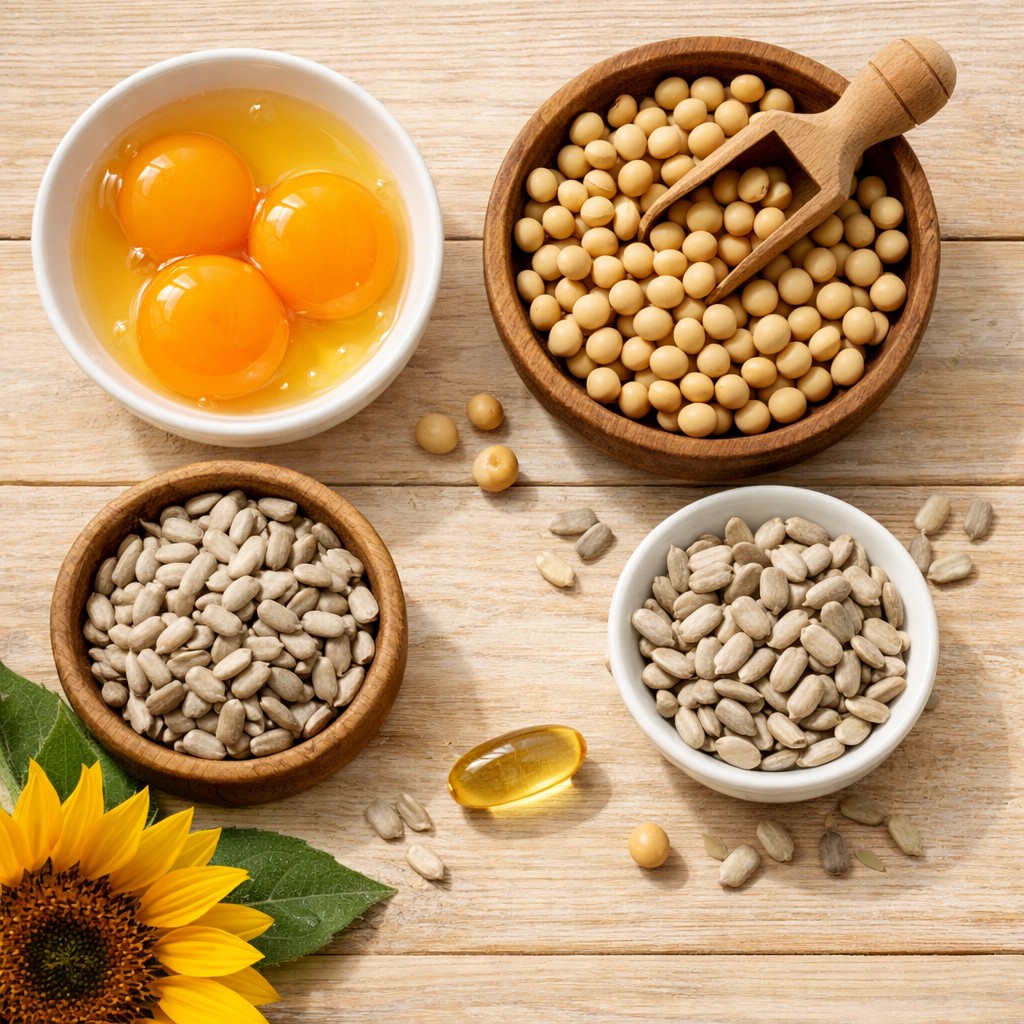
The best sources of lecithin are soy, corn, peanuts, sunflower, eggs, and castor oil. However, the harmful effects of unfermented soy are known; the fact that these products are GMO (Genetically Modified Organism) makes them problematic in terms of additives.
Soy Lecithin E322 Usage Areas
- Margarine: As an emulsifier and anti-spattering agent.
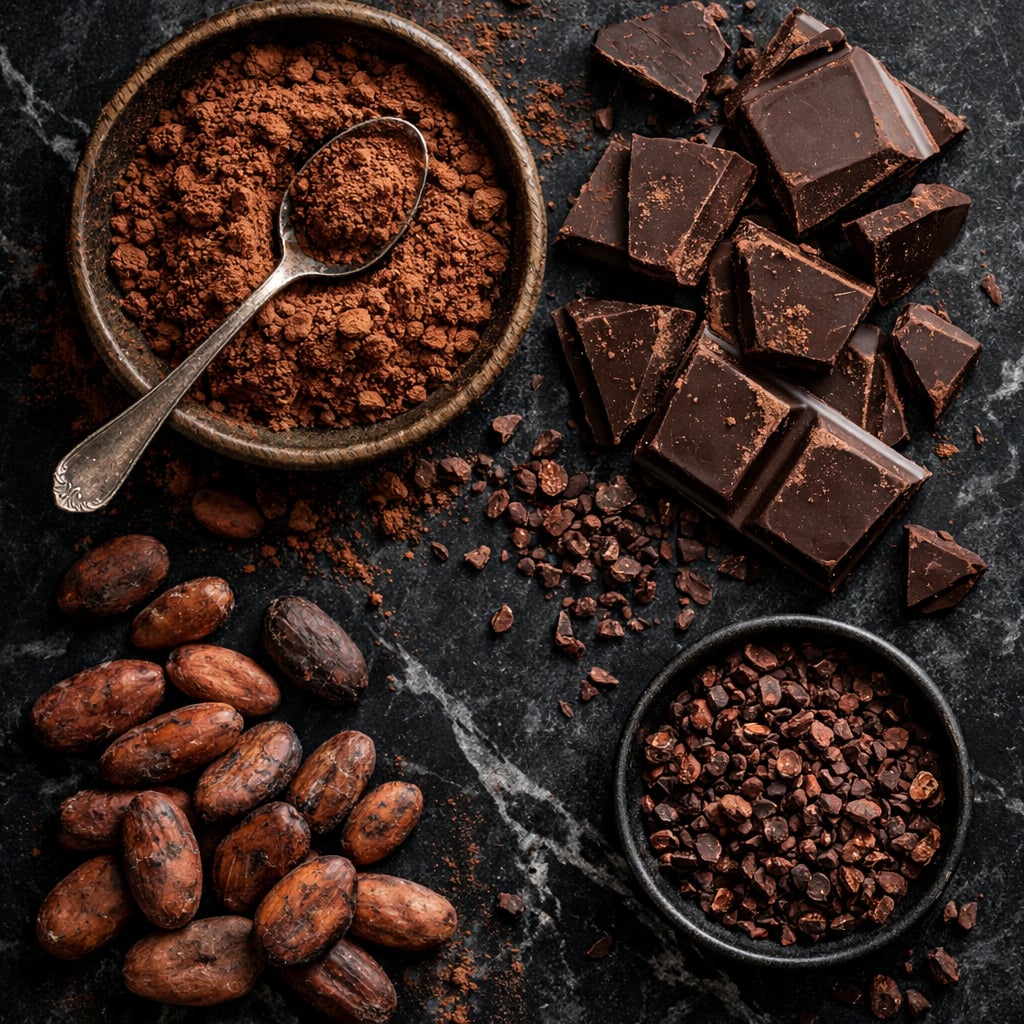
- Chocolate, caramel, and coatings: Controls viscosity, crystallization, and sticking.
- Bakery products: Crystallization control, humectant, and release agent.
- Cheese products: Emulsifier and release agent.
- Meat and poultry products: Browning and phosphate dispersing agent.
- Chewing gum: Softening and anti-sticking.
- Instant products (cocoa powder, coffee creamer): Humectant, dispersing agent, and emulsifier.
- Industrial use: Used in formulations in the cosmetic, pharmaceutical, plastic, rubber, glass, ceramic, petroleum, textile, and leather industries.