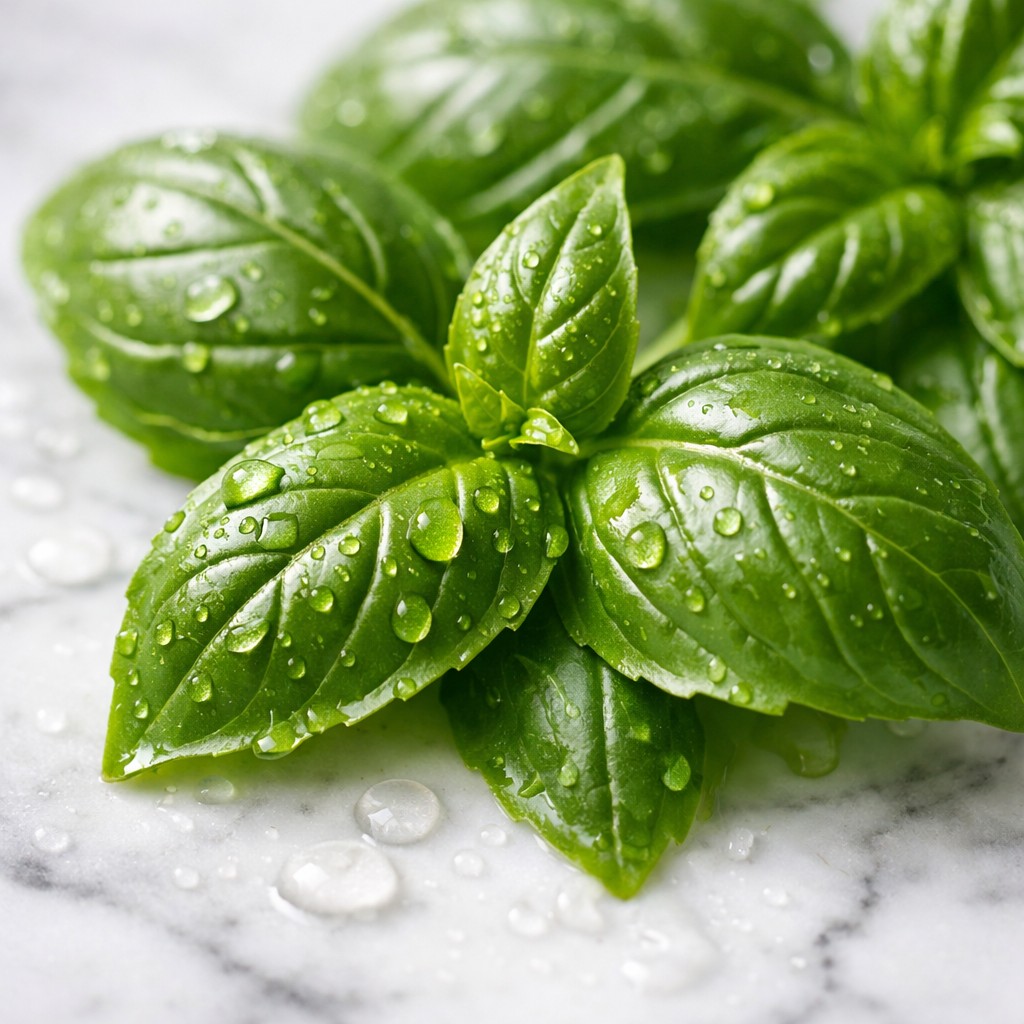
Basil (Ocimum basilicum) is an annual plant with finely branched roots, erect or semi-erect, reaching 50-60 cm in height. Its leaves, varying by cultivar, are generally ovate-oblong, with a blunt base, slightly toothed, and stalked. It is an appetite stimulant, aids digestion, and relieves intestinal gas; the active substances it contains open the bronchi and facilitate breathing. For mouth and throat inflammations, a cup of basil can be boiled in a pot of water and used as a gargle. Its scent is perfect for repelling mosquitoes and bedbugs, and it is used in aromatherapy to strengthen memory.
According to research conducted in England, basil has been found to be very effective in alleviating bronchitis, asthma, and skin diseases, primarily rheumatism and joint pains. British scientists have determined that this powerful anti-inflammatory effect comes from the oil that gives the plant its distinctive scent; it has been emphasized that the same effect is valid for all species of the plant. Basil is recommended for diabetics and those wanting to lose weight as it helps regulate blood sugar and reduces sugar levels. In a study presented at the British Pharmaceutical Conference in Manchester, rheumatism patients were fed basil, and it was observed that swelling and pain decreased or completely disappeared in 73% of the patients.
Other Benefits of Basil
- Relaxes the body with its calming properties.
- Provides energy; stimulates appetite.
- Relieves indigestion.
- Stops cough and dizziness.
- Beneficial against sores in the mouth.
- Reduces the effect of venom in bee stings.
- When drunk as tea, it relieves intestinal gas.
- Soothes the skin.
- Massaging the scalp with lotions prepared from basil strengthens hair roots.
How to Use Basil?
Used both fresh and dried, basil is commonly used in cooked or raw dishes. As it quickly loses its flavor when cooked, it is usually added to dishes at the last moment. It is used as a spice in soups and salads to give aroma and flavor. It is also valued as an essence and ornamental plant.
Basil Oil
Contains cineole, estragole, and eugenol. It is used for stress-related nervous disorders, migraines, as a mental stimulant and for headaches, in cellulite treatment, for gas relief, and as a repellent for mosquitoes and insects. For insomnia, 1-2 drops can be added to bath water. It has no known side effects; it should be diluted and not overused on skin types showing allergic reactions.