Dill Nutritional Values (100g)
- Calories: 55 kcal
- Energy: 230.1 kJ
- Protein: 3.7 g
- Carbohydrates: 8 g
- Fat: 0.8 g
- Cholesterol: 0 mg
- Fiber: 2.2 g
Vitamins
- Vitamin A: 1017 µg
- Vitamin D: 0 µg
- Vitamin E: 1.7 mg
- Vitamin K: 300 µg
- Vitamin B1: 0.2 mg
- Vitamin B2: 0.4 mg
- Vitamin B3: 3 mg
- Vitamin B5: 0.3 mg
- Vitamin B6: 0.3 mg
- Biotin: 2 µg
- Vitamin B9: 50 µg
- Vitamin B12: 0 µg
- Vitamin C: 50 mg
Minerals
- Sodium: 27 mg
- Potassium: 647 mg
- Calcium: 230 mg
- Magnesium: 28 mg
- Phosphorus: 85 mg
- Iron: 5.5 mg
- Zinc: 1.8 mg
- Copper: 0.2 mg
- Manganese: 2.7 mg
- Fluoride: 0.1 mg
- Iodine: 3.9 µg
The vitamin and mineral ratios are almost 7-8 times higher in its seeds and in 100 grams of dried dill. Because of its high Vitamin A and Vitamin K content, users should be careful. It is healthier for you to utilize foods with knowledge of your illnesses.
Some physicians find it inadvisable to give it to pregnant women. Although rare, it is said that it may cause nausea. There are also writings stating that pregnant women should not consume it. Your specialist doctor knows this subject best. Excess Vitamin A causes risky births in pregnant women. Vitamin K also causes varicose veins, especially in the last months of pregnancy. Attention should be paid to Vitamin A intake at the doses recommended by your doctor.
An increase in sugar levels has been observed in people who use dill continuously. Vitamin A is one of the vitamins stored in the body. Again, with continuous and excessive use, sensitivity to light has been observed.
Dill Use from History to Today
Benefits and Harms of Dill
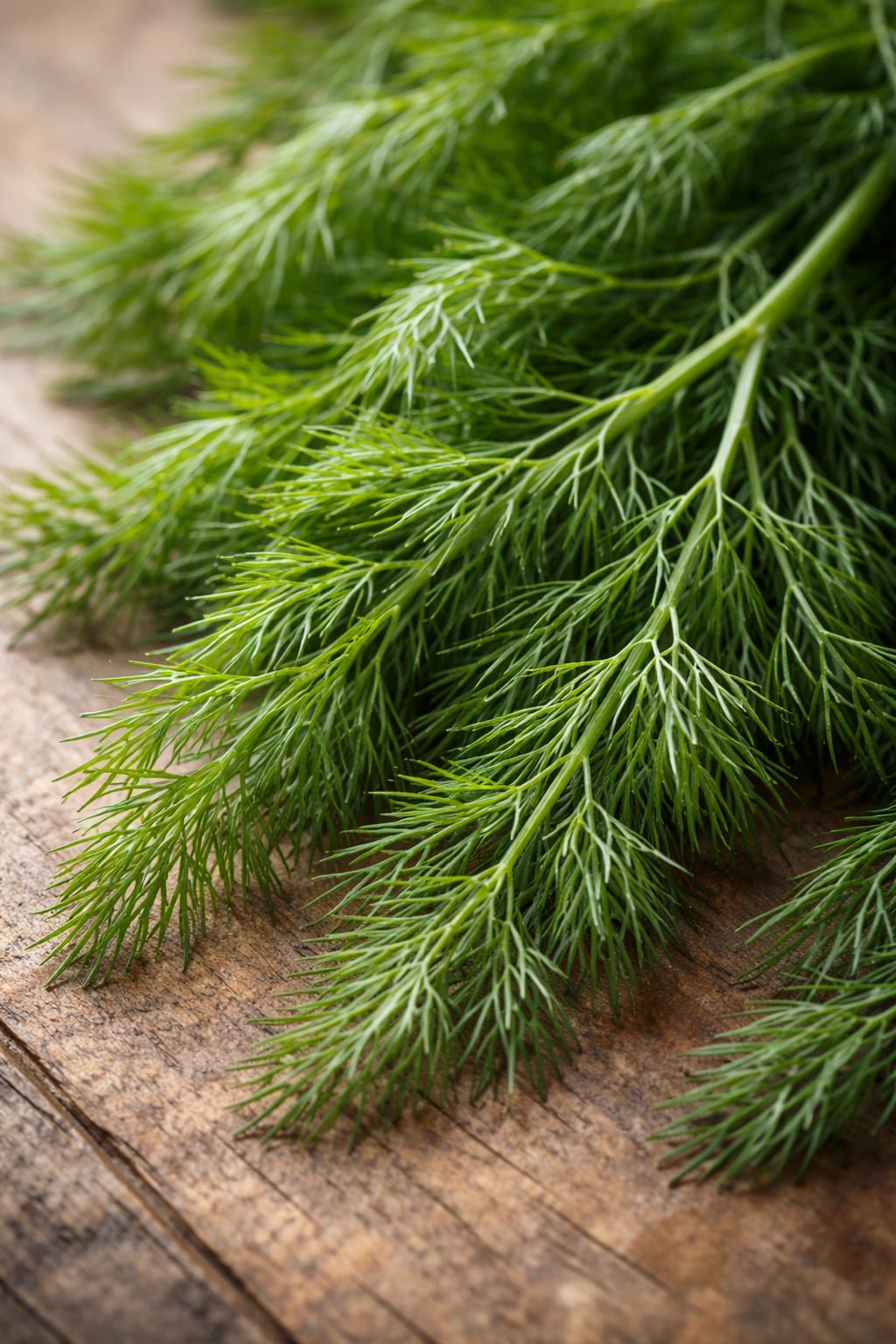
Botany: It is widely cultivated in Europe, Africa, and Asia. It grows in almost every type of soil except for constantly wet (damp) soils. It is an annual plant. Its root is needle-like, thin and white; its vertically rising stem is like a thin pipe, its cylindrical body is dark blue-green. It is covered with very thin longitudinal lines, one white and the other dark green, up to the tips of the flower stalks. The leaves are thread-like and very thin. The lower leaves are stalked. Its small yellow flowers bloom collectively in June and July. The diameter of this umbrella-like flower cluster is close to 20 cm. The oval-shaped seeds are thin, winged all around, and their colors vary from yellowish brown to red-brown.