Milk is recommended for growth and development periods due to its calcium content. Scientific research has proven that pasteurized and long-life milks have more harms than health benefits. For example, raw cabbage provides more calcium than any amount of pasteurized milk, yogurt, farm cheese, or other dairy products whose natural qualities have been degraded.
New studies conducted at the Human Research Center in Grand Forks, North Dakota, show that the element boron plays a fundamental role in the absorption of calcium from foods and its use in bone building. An even more remarkable point is this: When sufficient boron was administered, the estrogen level in women's blood increased more than double, eliminating the need for estrogen replacement therapy, which is a common preventative measure against osteoporosis in the West.
Where Can We Find Boron?
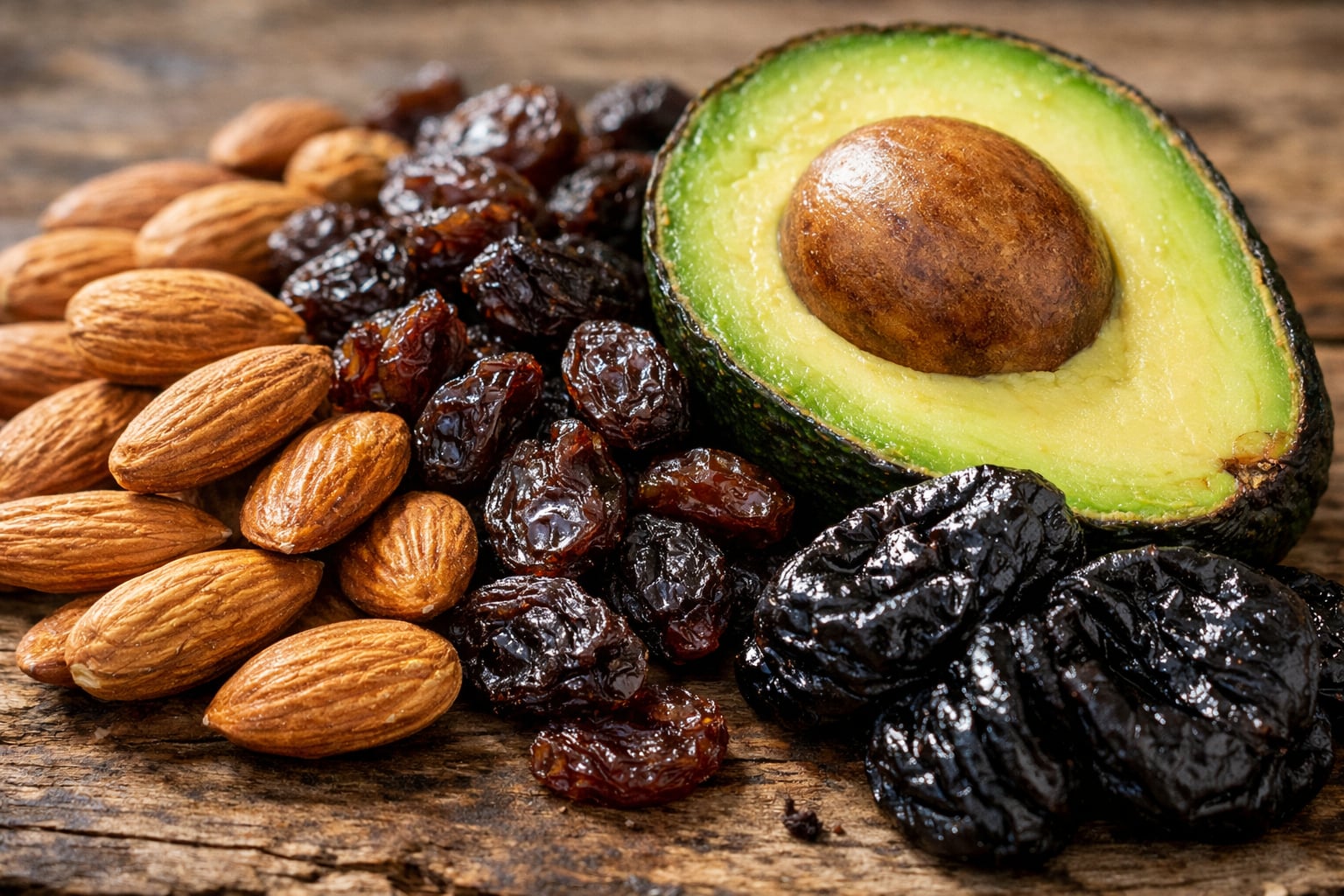
Foods particularly rich in boron include dates (persimmons), peanuts, apples, pears, grapes, hazelnuts, cabbage, almonds, strawberries, peaches, plums, broccoli, potatoes, garlic, and tomatoes. We can also meet our calcium needs from fresh fruits and vegetables. Nature has already abundantly provided all the vital nutrient sources we need in a complementary way; but humans insist on cooking and processing them until they are dead, and then wonder why their diet doesn't work.
Benefits, Importance, and Functions of Boron
In addition to being used for various purposes in many branches of industry, boron is also an important mineral for health. It contributes to the preservation of dental and bone health by helping the preservation and effective use of calcium, magnesium, and phosphorus minerals and vitamin D in the body. It improves brain functions. Especially for women, it is indispensable due to its effects that support the function of the estrogen hormone and reduce osteoporosis. Another characteristic of boron is that it is a natural antibiotic. It is used in the treatment of osteoporosis, nervous diseases, migraines, weakness, and cancer.
Boron Deficiency
Insufficient intake of boron leads to vitamin D deficiency, and consequently to osteoporosis and bones breaking more easily. Deficiency can also cause difficulty concentrating and memory weakness.
Boron Excess and Daily Requirement
High doses of boron intake can have a toxic effect on the body. The daily boron requirement for adults is approximately 13 mg.
Source: Emine Nermin Şengün