Stress, panic attacks, mental development, sleep problems, pain, hair, skin and nail issues, nervous system, energy production, protecting the immune system, Alzheimer's, liver health, and enzyme functions... Vitamin B is described by many experts as the youth vitamin.
Water-Soluble Vitamins
What is Vitamin B? It is a vitamin group composed of nearly 15 different substances that are water-soluble, contain a nitrogen atom in their molecular structure, and function as coenzymes that increase the activity of certain enzyme systems.
The main water-soluble vitamins are B and C vitamins. These vitamins are not stored much in the body. (Except B12.) They need to be taken daily in a balanced and regular manner through food. Water-soluble vitamins suffer vitamin loss when cooked. Cutting and chopping also cause vitamin loss. If you do not have a stomach condition, try to consume them raw.
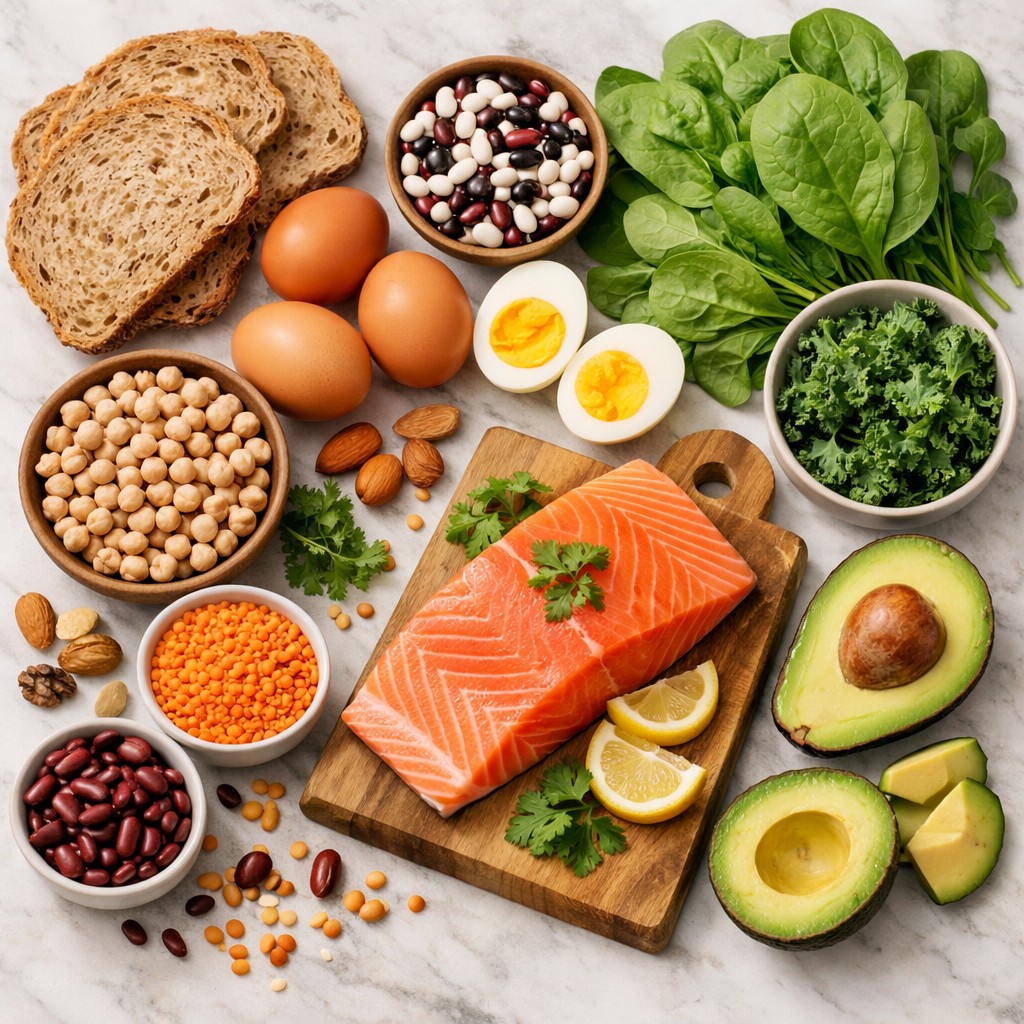
Fruits and vegetables contain B complex vitamins. Barley, wheat, cereals, milk and dairy products, eggs, and hops are sources of B vitamins. Meeting vitamin needs from natural foods allows you to benefit from many advantages such as fiber, water, amino acids, minerals, and essential fatty acids. Vitamin B deficiency is particularly common in those who consume alcohol and use tobacco.
Alzheimer's And Vitamin B
This result obtained from research conducted in the UK is described as a breakthrough in the fight against Alzheimer's disease. According to Cnn Turk's report, the research determined that high doses of B vitamins reduce the brain's shrinkage by half. Shrinkage of the brain in the elderly leads to memory loss and dementia.
Oxford University scientists, in trials on 168 people, determined that taking three high-dose B vitamins daily reduced dementia-related brain shrinkage by 53 percent.
B1 Vitamin: Thiamine
Benefits: Vitamin B1 or Thiamine, together with other B group vitamins, is a necessary vitamin for the body's, especially the brain's, energy production. This vitamin is primarily used to prevent diabetes, tissue hardening, and neurological diseases; it helps elderly people maintain their mental functions.
Which foods contain it? Wheat ear, bran, brewer's yeast, vegetables, dried beans, eggs, all cereals, brown rice, and seafood are sources of B1.
What does its deficiency lead to? In case of B1 vitamin deficiency, "Wernicke-Korsakoff" syndrome may occur. Mild thiamine deficiency results in fatigue and depression. It can lead to problems such as weakness in the eyes, mental confusion, impaired physical coordination, loss of appetite, digestive disorders, constipation, fatigue, headache, muscle cramps, and edema.
B2 Vitamin: Riboflavin
B2 is a water-soluble vitamin and is not stored in the body.
Benefits: Riboflavin is important for energy production, enzyme function, and normal fatty acid and amino acid synthesis. It plays a role in releasing energy from food. It protects the nervous system, skin, and eyes.
Which foods contain it? It is found in light green vegetables and fruits. Other B2 sources are almonds, brewer's yeast, cheese, chicken, beef, kidney, and wheat.
What does its deficiency lead to? It can lead to complaints such as cracks at the corners of the mouth, inflammation of the tongue and lips, light-sensitive eyes, itchy skin, dizziness, insomnia, learning difficulties, and burning eyes.
B3 Vitamin: Niacin
Vitamin B3, also called Niacin, Niacinamide, or Nicotinamide, is a vitamin necessary for protein, fat, and carbohydrate metabolism.
Benefits: It regulates blood circulation, provides healthy skin, and helps the central nervous system function. It has been stated to play a therapeutic role in schizophrenia and other mental illnesses. Recently, it has also been used because it can lower blood cholesterol and triglycerides.
Which foods contain it? Beef, broccoli, cauliflower, carrots, cheese, cornmeal, eggs, fish, milk, potatoes, and tomatoes.
What does its deficiency lead to? A disease called "Pellagra" may occur, causing nervous system dysfunction, diarrhea, mental confusion, depression, and various skin lesions.
B5 Vitamin: Pantothenic Acid
Vitamin B5, also called pantothenic acid, derives its name from the word "pantos," meaning "everywhere," because it can be found in both animal and plant sources.
Benefits: In addition to fighting depression, it helps the gastrointestinal system function normally; it is necessary for the production of cholesterol, vitamin D, red blood cells, and antibodies. It is also described as the anti-stress vitamin.
Which foods contain it? Veal, liver, fish, chicken, eggs, cheese, beans, all grains, cauliflower, peas, avocado, potatoes, corn, and nuts.
What does its deficiency lead to? It is associated with some symptoms such as nerve damage, respiratory problems, skin problems, arthritis, allergies, mental fatigue, headache, sleep disorders, and muscle spasms.
B6 Vitamin: Pyridoxine
B6, also called Pyridoxine, is a vitamin that is not stored in the body and is water-soluble.
Benefits: It is involved in carbohydrate, fat, and protein metabolism. It plays a role in the formation of hormones, red blood cells, nerve cells, and enzymes. It strengthens the immune system, protects the heart by preventing cholesterol buildup, and prevents kidney stone formation.
Which foods contain it? Banana, avocado, chicken meat, potatoes, spinach, peas, brewer's yeast, carrots, eggs, fish, and all cereals.
What does its deficiency lead to? Skin, digestive system, and nervous system disorders; cracking of lips and tongue, eczema, insomnia, depression, vomiting, anemia, and frequent illness may occur.
Folic Acid (Vitamin B9)
This vitamin is found in foods containing other B vitamins, as well as being synthesized by the intestinal flora. Deficiency leads to intellectual disability and neurological disorders. See: "Folic Acid".
Cobalamin (Vitamin B12)
This vitamin is found in foods containing other B vitamins, as well as being synthesized by the intestinal flora. It plays a role in the production of blood cells and growth. In this respect, it prevents anemia. It also has a coenzyme function in cell division and DNA synthesis.
Vitamin B12 deficiency, like folic acid deficiency, causes megaloblastic anemia by leading to deformation in red blood cell structure. Loss of appetite, diarrhea, tingling, numbness, and mental disorders may occur.