Cancer prevention, toxin elimination, liver health, mental clarity, rejuvenation, nausea...
Ginger Spice Nutritional Values (100g)
- Calories: 315 kcal
- Energy: 1318 kJ
- Protein: 8.2 g
- Carbohydrates: 60 g
- Fat: 4.6 g
- Cholesterol: 0 mg
- Fiber: 5.9 g
Vitamin Values (Spice)
- Vitamin A: 15 µg
- Vitamin D: 0 µg
- Vitamin E: 0 mg
- Vitamin K: 0 µg
- Vitamin B1: 0.1 mg
- Vitamin B2: 0.2 mg
- Vitamin B3: 6 mg
- Vitamin B5: 0 mg
- Vitamin B6: 0 mg
- Biotin: 0 µg
- Vitamin B9: 0 µg
- Vitamin B12: 0 µg
- Vitamin C: 0 mg
Mineral Values (Spice)
- Sodium: 32 mg
- Potassium: 1100 mg
- Calcium: 100 mg
- Magnesium: 150 mg
- Phosphorus: 140 mg
- Iron: 15 mg
- Zinc: 6 mg
- Copper: 0.5 mg
- Manganese: 10 mg
- Fluoride: 0.4 mg
- Iodine: 5 µg
100 Gram Fresh Ginger Root Nutritional Values
- Calories: 50 kcal
- Energy: 209.2 kJ
- Protein: 1.2 g
- Carbohydrates: 9 g
- Fat: 1 g
- Cholesterol: 0 mg
- Fiber: 1.1 g
Vitamin Values (Fresh)
- Vitamin A: 1 µg
- Vitamin D: 0 µg
- Vitamin E: 0 mg
- Vitamin K: 0 µg
- Vitamin B1: 0 mg
- Vitamin B2: 0 mg
- Vitamin B3: 0.8 mg
- Vitamin B5: 0.2 mg
- Vitamin B6: 0.2 mg
- Biotin: 0 µg
- Vitamin B9: 12 µg
- Vitamin B12: 0 µg
- Vitamin C: 5 mg
Mineral Values (Fresh)
- Sodium: 13 mg
- Potassium: 415 mg
- Calcium: 18 mg
- Magnesium: 43 mg
- Phosphorus: 27 mg
- Iron: 0.5 mg
- Zinc: 1.2 mg
- Copper: 0.2 mg
- Manganese: 2 mg
- Fluoride: 0.1 mg
- Iodine: 5 µg
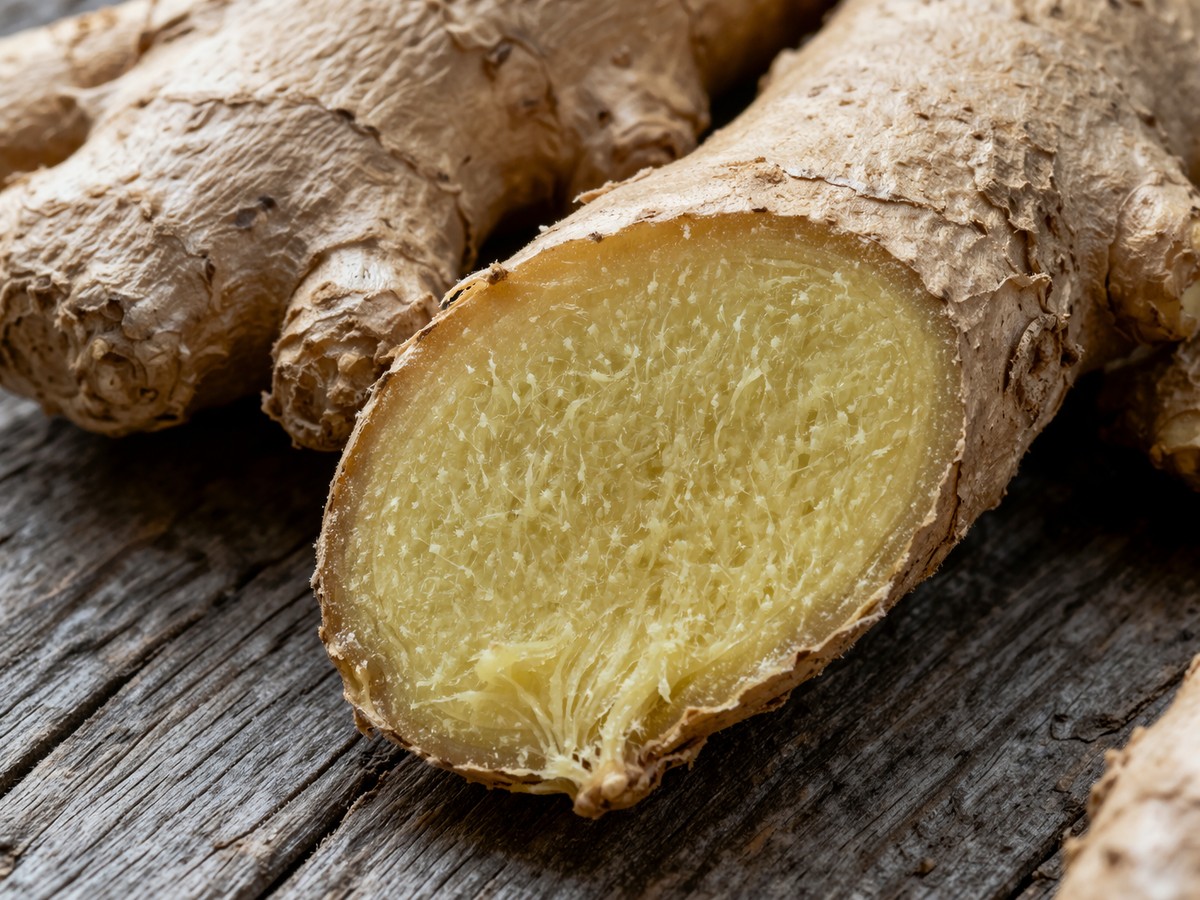
When buying fresh ginger, try to break it; if it doesn't break and is rubbery, it is old.
Cancer and Ginger
The ginger plant has recently been used as a "supportive treatment" in the fight against cancer. A significant number of scientists worldwide accept that ginger can be used as a "supportive treatment" in the fight against "cancer and similar dangerous diseases."
General Information
Ginger is a tuberous, yellowish plant that lives and grows in geographical areas with a tropical climate. Its roots, which grow in the form of knots, are usually 15-25 cm below the soil.
Although hobby-style cultivation attempts are being made in our country, ginger is not actually a plant that can withstand our country's climate.
Ginger is a type of plant that is widely consumed, especially in Asia, China, India, and Arabia, and used in all kinds of "herbal" healing applications. Ginger has been known and very actively used for 2000 years, particularly around China and India. For example, in China, the "ginger plant" is used for indigestion and various stomach diseases, diarrhea (dehydrating diarrhea), and nausea treatments, while in India, the ginger plant is generally used for joint inflammations, colitis treatments (gas spasms occurring in the intestines, which are quite painful and especially common in children), and correcting vital indicators.
Actually, the ginger plant is a type of spice sought after and loved all over the world. The rightful fame of this plant stems from its being a perfect remedy for colds. It is a known fact all over the world that the ginger plant is very good for colds.
Finally; ginger is a good spice and a good supportive healing plant species that has been used in Asia for at least 4,400 years. Ginger is a gift from the fertile soils of tropical climates to the whole world.
Structural Features
Ginger has a tuberous root that appears like interlocking circles. This root is found 15-25 cm below ground. The "light or dark rings that give a feeling of interlocking" on the root spread like ripples on the water surface. The stem of this plant has a grooved structure that interlocks with each other. Leaves emerge from the edges of the sections and these leaves are green. When the leaves are still small, they are like an arrowhead wrapping the stem. As they grow, they separate from the stem and gain the shape and appearance of a leaf.
This plant is a flowering plant. Its flowers can be white yellowish or mixed green. It is also known to be pink (varieties on islands).
Active Ingredients
One of the most important reasons for this plant's effectiveness is its essential oils and the phenolic compounds in its structure. Additionally, the starch, calcium, and B and C group vitamins it contains also make this plant important.
Benefits
- Due to its iodine, manganese, and iron content, it is mind-sharpening and provides hormonal balance.
- Ginger is the remedy for rheumatism. In rheumatic diseases, when its tea is drunk with carob molasses, it dries up inflammations.
- Gives vitality and energy to the elderly.
- Helps with weight loss.
- Strengthens the immune system.
- Cleanses the liver of toxins.
- Appetizing.
- Its antiseptic property keeps the blood clean.
- Regulates the stomach.
- Relieves nausea, especially useful for nausea during travel.
- A good choice for stomach aches and indigestion.
- Facilitates the expulsion of gas accumulated and unable to be expelled in the intestines.
- Opens up the respiratory tract.
- Makes the blood structure more fluid, beneficial for heart health.
- Causes warmth and sweating in the body. Because it is beneficial for the liver.
- Ginger is truly a good antioxidant (cleanses oxides, helps expel them).
- Helps regulate heart rhythm.
- Especially used for centuries in rheumatic ailments.
- Has headache-relieving properties.
- Consuming it with natural olive oil at breakfast protects against cancer.
- Ginger is relaxing for sleep problems.
- Lowers blood cholesterol more than many other plants.
Methods of Taking Ginger into the Body
- Ginger can be taken with teas; especially fresh ginger is sliced and steeped in tea in a cup.
- Powdered ginger can be mixed with honey and taken.
- Ginger can be added to all meals, cakes, pastries, and other foods. It can be sprinkled on eggs at breakfast or consumed with olive oil for health.
- Used for fatty liver along with artichoke, chicory, and milk thistle.
NOTE: Taking ginger fresh and raw is a recommended method.
Dosage and Usage Amount by Age
WARNING: Do not use during cancer and without consulting your specialist doctor regarding its interaction with medications.
Ginger should absolutely not be used in children under 2 years of age. This must be paid great attention to.
Pediatrically (in children over 2 years old): Ginger can be used in children over 2 years old against nausea, colitis and intestinal pains, muscle and headaches. Children up to 20-25 kg should take a dose one-third of the dose given to an adult. An individual weighing 70 kg is considered an adult.
Adults: Should not exceed 4 grams daily. This dose is normal; doses above 4 grams daily commonly cause heartburn complaints. For nausea and gas complaints, it should be taken mixed with food. If taken in powder form, it should be mixed with water and the dose taken at one time should not exceed 0.5 grams.
Ginger Oil
Ginger oil relieves rheumatic pains due to its heating property. It beautifies the skin because it accelerates blood flow. It is mind-sharpening. Used for cellulite. Should be used mixed with water, it is burning.
For colds, headaches, or illnesses like flu, 2-3 slices of fresh ginger or 0.5 gr of powdered ginger is added to a tea and honey mixture and taken hot. For relieving menstrual pain, 1 gr of powdered ginger can be taken daily; this powdered ginger is taken mixed with 20-30 drops of water. In adults, it is consumed in 3-4 doses without exceeding 4 grams. Can be mixed with honey or sweetener if desired.
Collective Warnings
- Never use ginger in children under 2 years old.
- Do not use more than 4 grams of ginger daily.
- Consume the ginger you prepared not at once, but in 2-3 doses at different times of the day.
- Should be considered based on an adult weight of 70 kg.
- For children, reduce the dose to 1/3 according to adult weight.