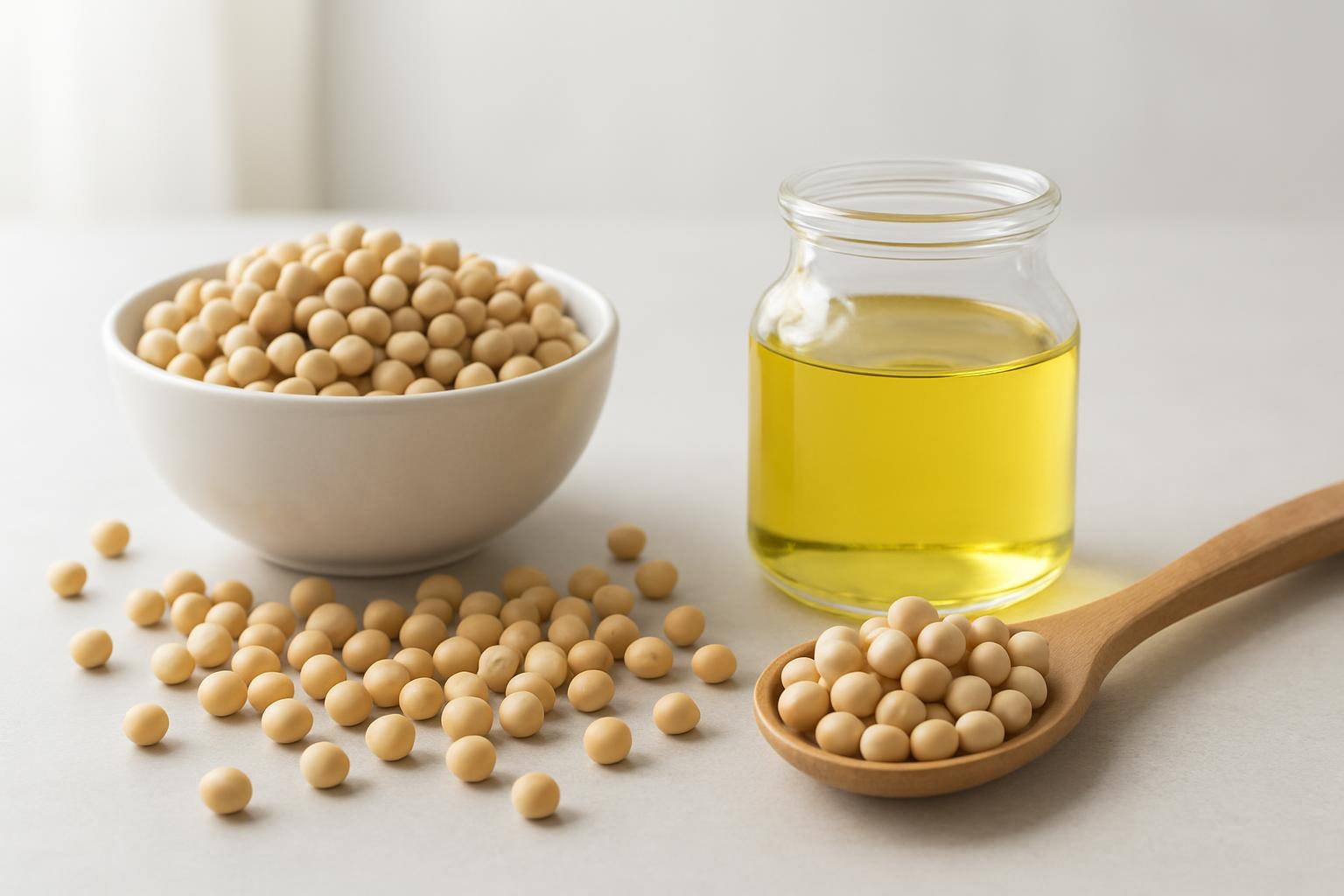
Soy contains vitamins, minerals, amino acids, and selenium, and with its high-quality protein, it is recommended for all periods of life. It is suggested for improving memory and against exam stress. However, expert opinions on soy vary greatly; alongside its benefits, its harms are now also being discussed. Research published in the Journal of Clinical Investigation found that soy estrogen does not reduce the frequency of coronary heart disease and strokes; in experiments on mice, it was observed to thicken the heart muscle, leading to death.
Benefits
Soybeans are rich in amino acids, selenium, and lecithin. With its high-quality protein, disease-protective effect, and contribution to growth, it is valuable from pregnancy to old age. It is also frequently recommended for the discomforts of the menopause period. It is now possible to find soy flour, sprouts, milk, mince, meat, and bread in supermarkets in our country.
- A diet rich in soy significantly strengthens both long-term and short-term memory and increases mental flexibility.
- It lowers LDL (bad) cholesterol while raising HDL (good) cholesterol; it protects heart health.
- Long-term use in mastitis and breast cancer has been reported to provide regression.
- Regular use of soy milk helps lower high blood pressure.
- The protein in its content has an anti-inflammatory (pain-reducing) effect.
- Ferritin in soy is a good source of iron, especially for women.
- Men who drink two glasses of soy milk a day have a 70% reduced chance of developing prostate cancer.
- Soy, containing 34g of protein per 100g, is also rich in Omega-3 fatty acids, isoflavones, and dietary fibers.
Precautions
It is not recommended for those with goiter problems and gout patients. During the war period, soldiers were fed soy products; after a while, pains were observed due to increased uric acid. It is not recommended for kidney patients. Soy milk and tofu are also questioned by many experts. It should not be used during breast and uterine cancer. There are also expert opinions that do not find its use correct during adolescence. Consult your specialist doctor.