Potassium, the most important mineral for a healthy life, is the third most important mineral found in the body after calcium and phosphorus.
Potassium, which functions inside cells, regulates muscle contractions and heartbeat. Potassium, a mineral that prevents high blood pressure, reduces the risk of stroke by half by lowering blood pressure.
It is an important mineral for a healthy nervous system and regular heart rhythm. Together with sodium, it controls the body's fluid balance. It is important in intracellular chemical reactions in the body and in regulating nutrient transport between cells. These functions decrease with age.
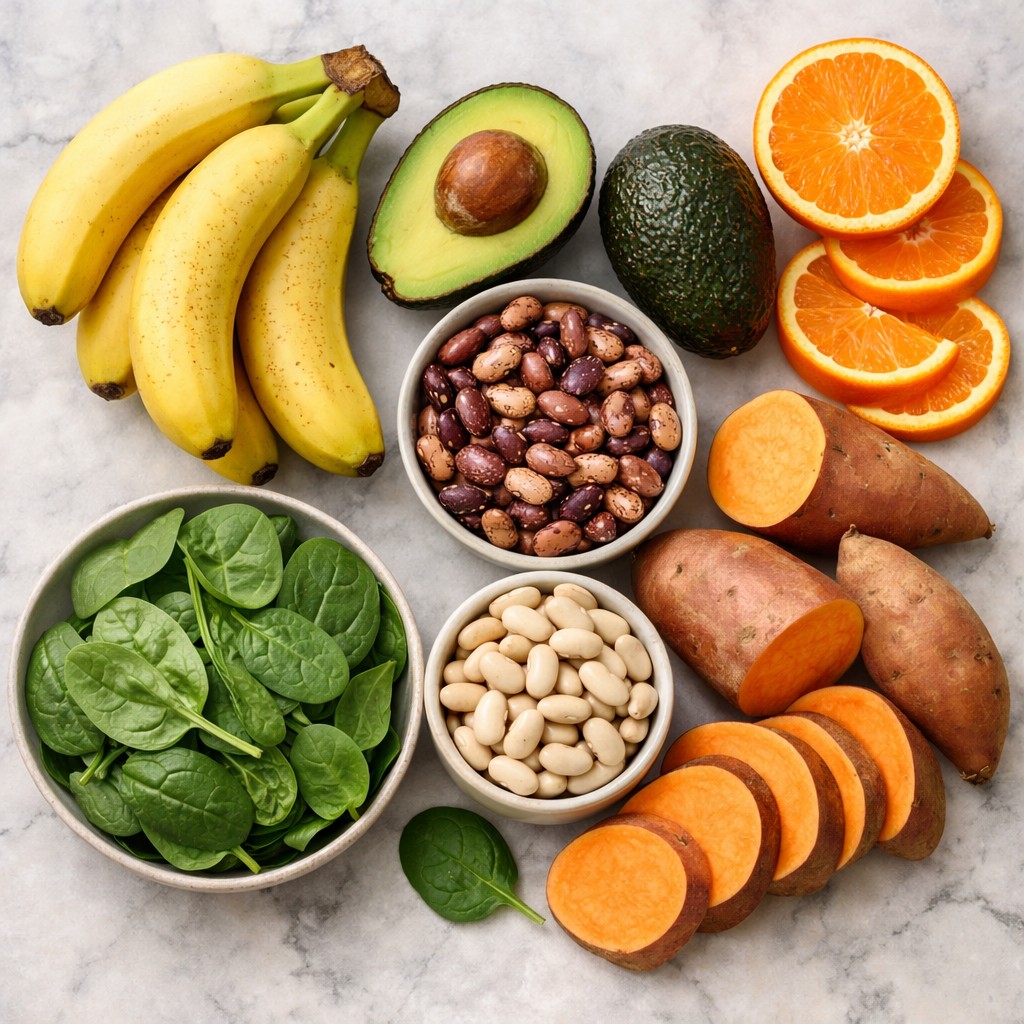
Foods containing potassium can be listed as dairy products, meat, fish, poultry, legumes, vegetables, and fruits. Apricots, avocado, banana, fig, sweet potato, pine nuts, dates, melon, tomato, mushroom, black plum, red and green lentils, raisins, dried fruits, nuts, brewer's yeast, pumpkin, potato, garlic, and legumes contain high amounts of potassium.
Kidney disorders, diarrhea, diuretics, or medications used to cleanse the intestines disrupt potassium levels. Smoking and caffeine consumption also reduce potassium absorption. Deficiency is seen in those who are constantly dieting. Potassium deficiency occurs as a result of excessive sweating. Potassium deficiency is a common problem among those who exercise and those who strain their bodies to lose weight.
Research has observed that amateur athletes have potassium levels at the lower limits. Problems such as muscle twitches, muscle cramps, and fatigue can be caused by potassium deficiency. Since potassium deficiency can be seen in people on very strict diets, research has also revealed the risk of heart attack. Foods containing potassium should be consumed raw; cooking results in a large loss of these vitamins. To fully obtain potassium from seed foods, they should be consumed by chewing very well.
Other Problems Seen in Deficiency
- Inner ear problems
- Muscle contraction and cramps, muscle weakness
- Muscle tears
- Inability to relax smooth muscle
- Decreased tendon reflexes
- Nausea, vomiting
- Gas
- Constipation
- Heart enlargement, heart rhythm disorders
- Slow, irregular pulse
- Low blood sugar
- Very high, very low blood pressure
- Edema (fluid retention in tissue)
- Exhaustion
- Mood disorders
- Depression, irritability, itching, vomiting
- Fatigue
- Loss of consciousness leading to coma
- Shortness of breath, bluish color change in skin and mucosa
Excess
- Heartbeat disorder
- Tinnitus
- Hallucination, abnormal sensations
- Kidney damage
- Cardiological disorders
Foods Containing Potassium
| Food | Amount |
|---|---|
| Banana | 393 mg |
| Currant | 341 mg |
| Blackcurrant juice concentrate | 1521 mg |
| Orange | 177 mg |
| Kiwi | 295 mg |
| Pineapple | 173 mg |
| Grape | 190 mg |
| Apple | 144 mg |
| Pear | 125 mg |
| Nectarine | 212 mg |
| Cherry | 210 mg |
| Plum | 220 mg |
| Strawberry | 145 mg |
| Raspberry | 170 mg |
| Blackberry | 190 mg |
| Blueberry | 73 mg |
| Orange juice | 155 mg |
| Dried apricot | 1370 mg |
| Dried prune | 825 mg |
| Dried peach | 1340 mg |
| Raisin | 780 mg |
| Tahini | 648 mg |
| Pistachio | 1020 mg |
| Chestnut | 705 mg |
| Poppy seed | 705 mg |
| Dried date | 850 mg |
| Spinach | 635 mg |
| Pea | 930 mg |
| Potato | 340-600 mg |
| Tomato | 242 mg |
| Tomato paste | 3160 mg |
| Soybean | 1740 mg |
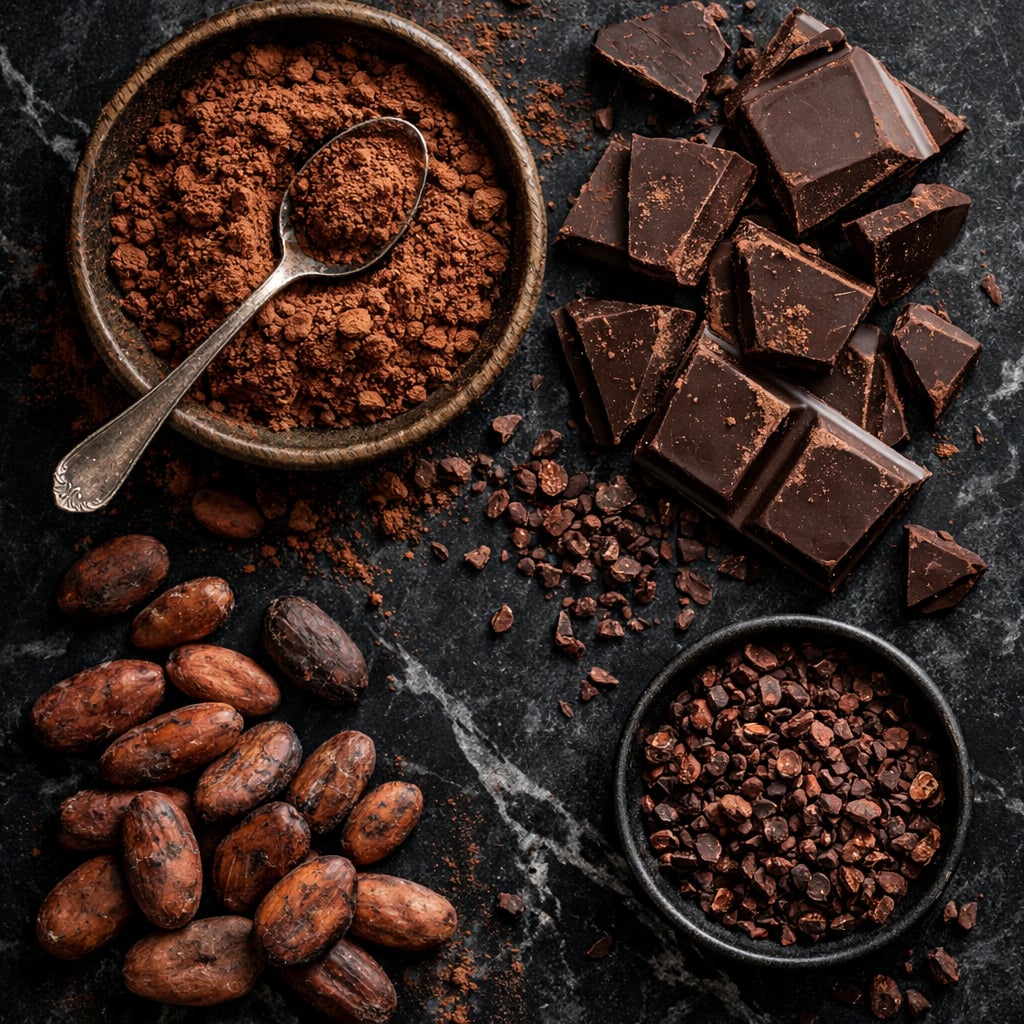
| Cocoa | 3200 mg |
| Beef | 145 mg |
| Turkey | 300 mg |
| Fried chicken | 260 mg |
Rosehip seeds contain potassium. Dairy products are also among potassium sources.