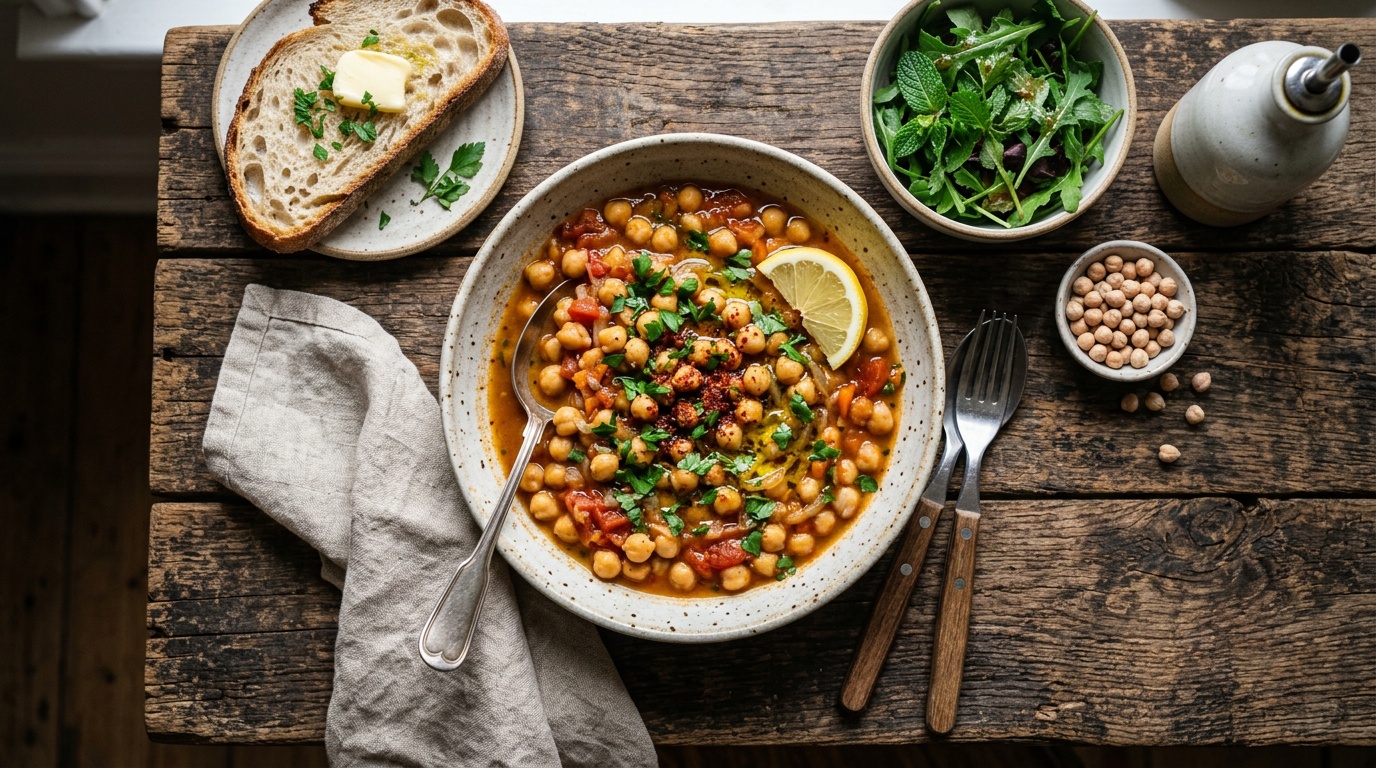
Chickpea (Cicer arietinum) is a legume species belonging to the Faboideae subfamily of the legume family (Fabaceae). The seeds of this plant, which grows for only one year and reaches a height of 0.5 meters, are sometimes beige, sometimes darker, and even black.
Chickpea is an easy plant to cultivate; it tolerates water scarcity well and does not care much about soil quality. If the weather is not warm enough, the harvest yield decreases. Chickpea is a rich source of vitamins and minerals.
Dried Chickpea Nutritional Values (100 g)
- Protein: 19.4 g
- Carbohydrates: 56.7 g
- Fat: 6.2 g
- Calories: 360 kcal
- Calcium: 75.4 mg
- Iron: 6.1 mg
- Sodium: 40 mg
- Vitamin A (Retinol): 39 IU
- Vitamin B1: 0.3 mg
- Vitamin B2: 0.2 mg
- Vitamin B3: 6.5 mg
- Vitamin B6: 0.98 mg
- Vitamin C: 6.3 mg
Benefits of Chickpea
Chickpea is a phytoestrogen; it is particularly beneficial in maintaining hormonal balance, especially during menopause. When its water is applied to the skin, it beautifies the skin. It supports the healthy development and protection of sexual hormones. Roasted chickpeas (leblebi) made from chickpeas are beneficial for nausea during pregnancy. It is rich in vitamin B3; it also contains other B vitamins. It is beneficial for lowering cholesterol and vascular health. It facilitates the excretion of urate salts from the body. It helps remove water accumulated in the legs of heart patients. It relieves burning and inflammation in the urinary tract.
- Strengthens the body.
- Stimulates appetite.
- Softens the intestines; is a diuretic.
- It is among the foods that increase breast milk.
- Balances estrogen hormone; beneficial against menopause.
- Increases sexual desire and potency.
- Relieves cough.
- Clears vascular blockage.
- Protective against breast cancer.