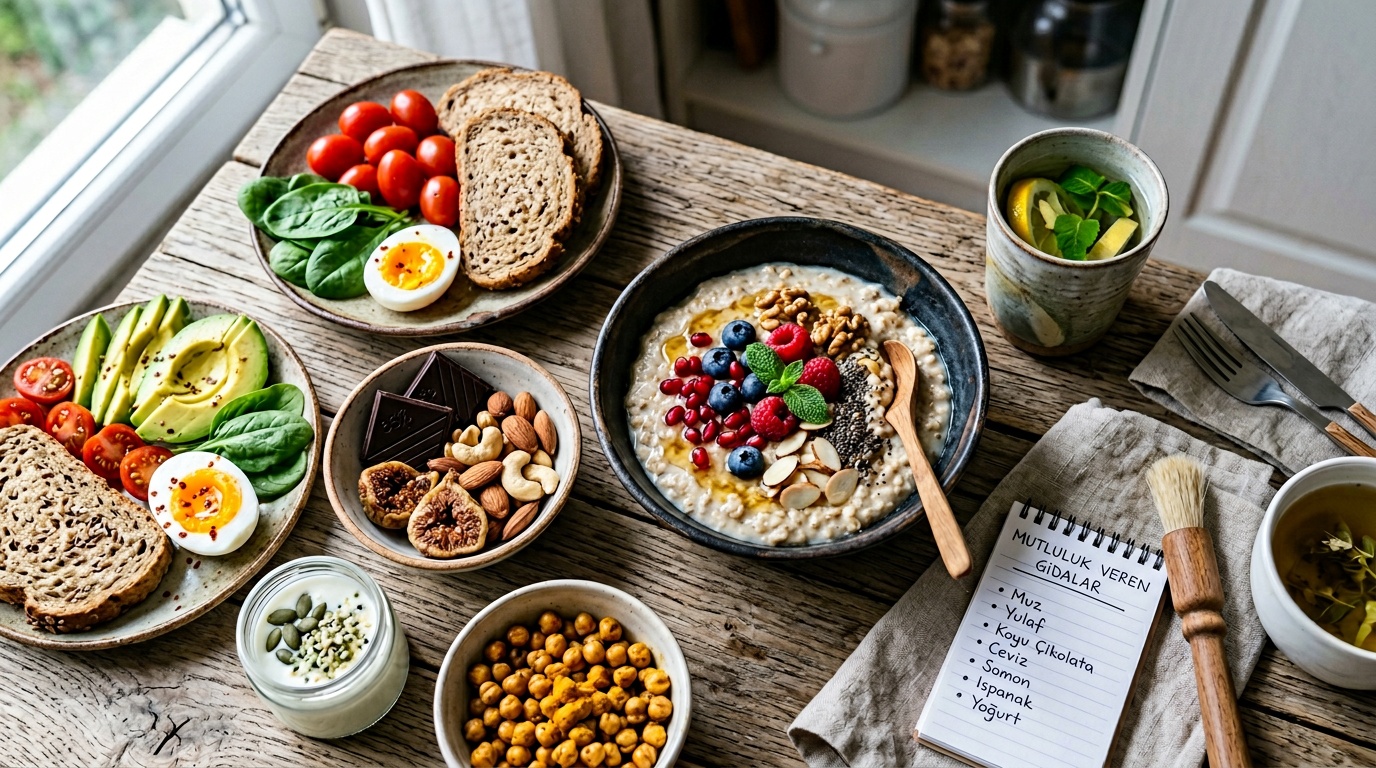
There is a close relationship between what we eat and happiness. For a peaceful, joyful, and stress-free life, we need to pay attention to eating natural and unprocessed foods. Foods like grapes, walnuts, fish, garlic, sage, pine nuts, ginkgo biloba, cumin, and St. John's wort strengthen the brain and prevent depression; while cake, cola, carbonated and processed foods, and white bread cause concentration difficulties and fatigue.
Prebiotics
Prebiotic foods protect the immune, nervous, and digestive systems. They make significant contributions to the body for a healthy and happy state; they naturally provide the estrogen, progesterone, and testosterone hormones necessary for happiness.
Happiness-Boosting Medicinal Herbs
Basil (Ocimum Basilicum): Grows in Mediterranean countries, Pacific islands, and America. Not used during pregnancy. Its scent appeals to the senses and relaxes nerves; it can be blended with bergamot and lavender.
Bergamot (Citrus Aurantum Bergamia): An essential oil obtained from the peel of the ripe fruit. Grows in Italy, Sicily, and Africa; it is a fruit between orange and lemon. A blend can be prepared with lavender and it will relax you.
Chamomile (Matricaria chamomilla): Grows in Europe and North America. Especially for headaches in tea form; it has carminative and calming effects. Can be used as a compress and massage oil. A blend can be prepared with lavender and rose.
Rose (Rosa Damascena): Grows around Isparta and Burdur. Used for headaches, migraines, depression, and insomnia. Brewed and drunk as tea; a blend can be prepared with jasmine and bergamot.
Valerian (Valeriana Officinalis): A perennial plant that grows in all temperate regions. Effective against insomnia, tension, and headaches; brewed and drunk as tea.
Jasmine (Jasminum Grandiflorum): Grows in Southeast Asia and Mediterranean regions; also found around Alanya. Effective against insomnia, nervous tension, and stress. Used as tea or massage oil.
Orange Blossom (Neroli - Citrus Aurantium): Obtained from the fragrant flowers of the bitter orange tree that grows in Mediterranean climate. Beneficial for depression, nervous tension, and insomnia.
Passionflower (Passiflora incarnata): A perennial vine that grows in tropical regions; its flowers and leaves are used. Used for depression, migraines, and insomnia.
St. John's Wort (Hypericum perforatum): Grows in northern Europe and Asia; the bud, flower, and leaf parts are used. Effective for depression and insomnia.
Foods Contributing to Happiness
- Potato: When eaten before bed, it ensures insulin secretion throughout the night; helps your night pass peacefully.
- Oatmeal: A rich source of B vitamins; nourishes the central nervous system and helps you get rid of irritability and relax.
- Barley water: With its high magnesium and B vitamin content, it acts like a muscle relaxant; beneficial for hand-foot tremors and muscle tightness.
- Spinach: Contains magnesium and selenium that stimulate the body and mind, making you feel peaceful.
- Pepper: Soothes pains, giving happiness to the body.
- Almond: With its magnesium, it helps overcome adrenaline spikes and stress; increases energy with vitamin E.
- Borage (Gladden herb): Known as the gladden herb for centuries.
- Asparagus: Contains amino acids that regulate excessive activity in nerves (too much may cause joint pain).
- Sunflower seeds: Contains B vitamins and magnesium; relaxes the nervous system and brain, allowing you to concentrate better on your work, opens capillaries.
- Chicken: Contains amino acids that help secrete serotonin; it is the key to happiness when consumed with soy sauce and vegetables.
- Banana: Contains invigorating amino acids and high potassium; stimulates the brain, freeing it from unnecessary obsessions, and provides a freshness similar to the happiness given by daylight.
- Fennel: Soothes gas and stomach complaints while beautifying skin and hair through the estrogen hormone.
- Broccoli: With its selenium, magnesium, and vitamin E content, it both protects health and increases happiness.
Blood Sugar and the Brain
Our brain is extremely sensitive to the amount of sugar in the blood. The ideal functioning of nerve cells depends on normal blood sugar levels; without glucose, nerve cells cannot survive and develop. Glucose stimulates memory, concentration, and learning ability; soothes sadness and anger. Low blood sugar causes the brain to slow down, while very high blood sugar also damages performance and memory.
To keep blood sugar balanced, it is necessary to eat carbohydrates with a low glycemic index; these slowly raise sugar, providing a regular flow of glucose to the brain. Refined (processed) foods generally have a high glycemic index, while natural foods have a low one.
Selenium Cheers You Up
A small amount of selenium has a great effect on brain activities. Insufficient intake causes interruptions in nerve transmission because selenium plays a critical role in neurotransmitters like serotonin, dopamine, and adrenaline. Research shows that people fed with sufficient selenium feel more cheerful, productive, confident, and energetic. Selenium is found in grains, eggs, cheese, garlic, meat, fish, goji berries, and peanuts.
Fish Stimulates the Mind
Consuming plenty of fish oil strengthens brain cells and intercellular message transmission. Since serotonin rises, we feel better. Mackerel, sardines, salmon, and other oily fish with their omega-3 content help you get out of depression. Eating fish regularly and abundantly greatly reduces the risk of depression; salmon strengthens memory and rejuvenates the brain by increasing its processing capacity.
Chocolate Calms the Mind
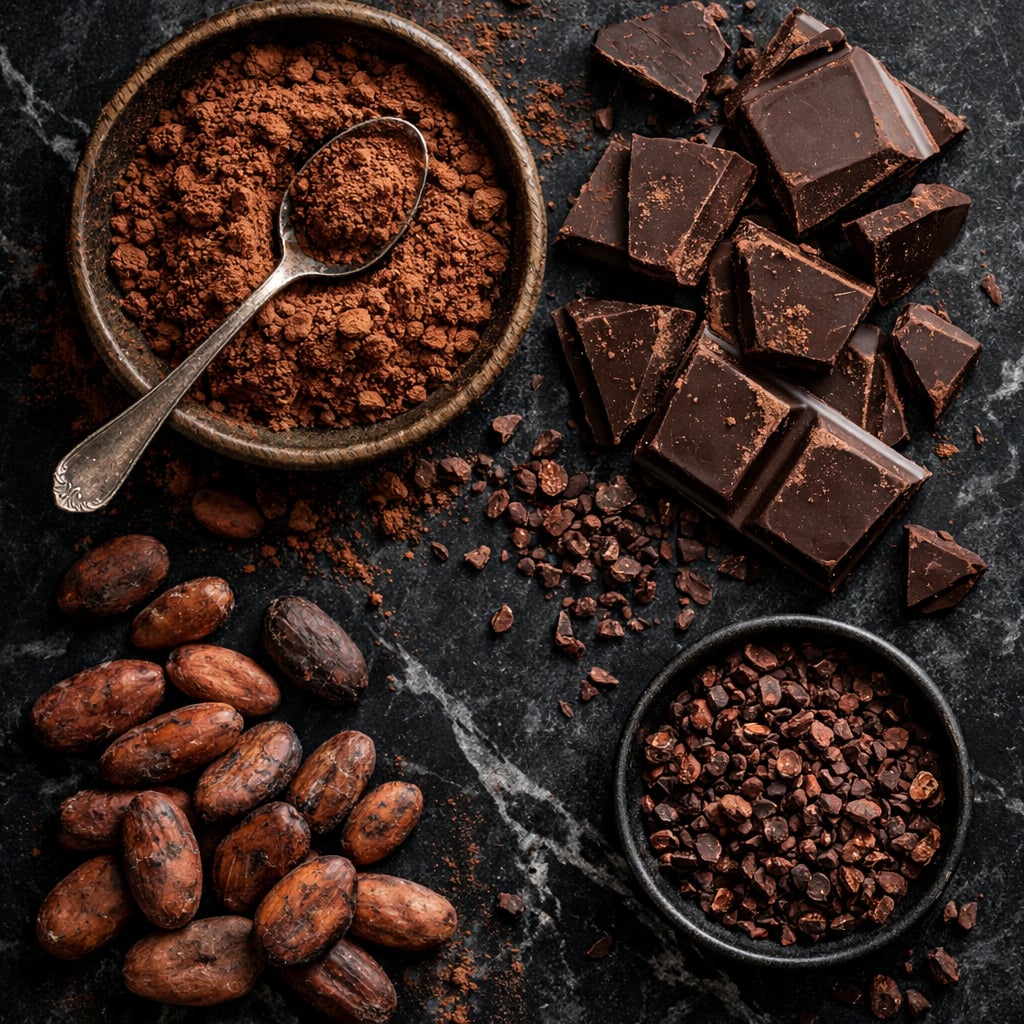
Chocolate contains antioxidants that protect the brain against aging and diseases, in addition to chemicals that make us feel good. It contains sugar that increases serotonin, fat that calms the mind, and stimulants like phenylethylamine. Dark chocolate should be preferred to improve mood; it also has properties for opening blood vessels and protecting the heart.
Garlic, Grapes, Whole Grains, and Water
With its high selenium content, garlic invigorates mood and gives energy; promotes serotonin secretion, relieving stress and reducing anxiety. A small amount of caffeine opens the mind, increases focus and productivity; however, too much wears out the nervous system and causes addiction.
Grapes contain plenty of glucose; the boredom, quick temper, and forgetfulness that occur with glucose deficiency are eliminated when grapes are eaten. Grapes also contain B vitamins, iron, calcium, and phosphorus; these nourish and supplement the nerves.
Whole grains and whole wheat bread are beneficial for brain and mental health. Carbohydrates in unprocessed grains without bran help secrete serotonin, providing relaxation. Whole grains, the main source of the B vitamin group, are also necessary to cope with stress; experts now emphasize that the youth vitamin is B, not A.
Drinking plenty of water helps eliminate toxins and stress byproducts from the body; at least 8-10 glasses of water per day are necessary for learning and decision-making. Learning skills weaken in people who do not get enough water. Melon, watermelon, apricot, cherry, carrot, and natural honey also contain all the vitamins and minerals that increase the brain's energy. Cabbage relieves stress; olive oil contains substances that protect memory and facilitate comprehension.
Zinc and Walnuts
Zinc is an extremely necessary mineral for wound healing, brain strengthening, and memory. Zinc obtained from natural foods does not harm the kidneys. It is abundant in fish products and fruit seeds; oysters, meat, liver, wheat germ, pumpkin seeds, flax seeds, rosehip seeds, grape seeds, sunflower seeds, almonds, and milk are among the foods rich in zinc.
Walnuts are the natural source of omega-3 fats and B and E vitamins that the brain needs. It is the only food containing the silver ion needed by the brain; especially green walnuts contribute to brain health with this property.
Things to Avoid
Cake, cola, carbonated drinks, and processed foods cause unhappiness. Some people think they overcome stress by smoking; however, smoking is the actual factor causing depression. Foods made from white flour and white sugar may provide relaxation initially, but after rapidly raising blood sugar, they cause a sudden drop, leading to concentration difficulties, weariness, fatigue, and unhappiness. This vicious cycle continues. Foods with a low glycemic index, however, slowly raise sugar, providing a true state of well-being.