The famous Turkish physician Ibn Sina from Bukhara frequently described the healing properties of pumpkin in his books; he particularly recommended this miraculous vegetable to cancer patients. We owe much of today's knowledge to Ibn Sina.
The most important characteristic of pumpkin is its very high beta-carotene content. Carotene is a necessary vitamin for the renewal and repair of the surface tissue lining our skin and all body cavities from our mouth to the anus. Beta-carotene is also essential for a healthy immune system; the immune system is our most important defense shield protecting us from both microbial diseases and cancer.
Pumpkin is 85-90% fiber; it is also quite rich in iron, potassium, sodium, phosphorus, calcium, magnesium, and manganese. With its high Vitamin A, C, and E content, it is a powerful antioxidant source. It also contributes to healthy bone development in children and prevents anemia thanks to its iron content.
Nutritional Values (per 100 g)
| Water | 88 g |
| Carbohydrates | 8.0 g |
| Calories | 33 kcal |
| Protein | 1.0 g |
| Fat | 0.1 g |
| Dietary Fiber | 2.3 g |
| Vitamin A | 6,400 IU |
| Vitamin B1 | 0.05 mg |
| Vitamin B2 | 0.07 mg |
| Vitamin B3 | 0.7 mg |
| Vitamin B5 | 0.4 mg |
| Vitamin B6 | 0.1 mg |
| Vitamin C | 12.0 mg |
| Vitamin E | 1.1 mg |
| Folic Acid | 0.01 g |
| Potassium | 385 mg |
| Phosphorus | 44.0 mg |
| Calcium | 25.0 mg |
| Magnesium | 8.0 mg |
| Iron | 0.8 mg |
| Zinc | 0.1 mg |
| Sodium | 2 mg |
Eating one small plate of pumpkin meets 25% of the body's Vitamin A requirement and 10% of its Vitamin C requirement.
Benefits
Its high potassium content and heart disease risk-reducing antioxidants help prevent arteriosclerosis which causes stroke. It enables the body to fight infections. Pumpkin, which can be grated raw into salads and consumed, cleanses the body and calms the nerves.
The high dose of beta-carotene it contains has effects that increase visual acuity, protect against Alzheimer's, and protect intestinal health. It is also a valuable food for MS patients. It is excellent for both eye and brain health; it is a crown jewel for those with learning difficulties and those preparing for exams.
Although it contains sugar, its calorie content is not very high; even diabetics can consume it in moderate amounts. It contains plenty of plant fiber; these fibers absorb toxins from food and some harmful fats like a sponge, helping to lower cholesterol and harmful fat levels in the blood. These fibers, which draw water in the intestines and increase bowel movements through a bulk effect, also show a protective effect against stomach-intestine cancer and hemorrhoids.
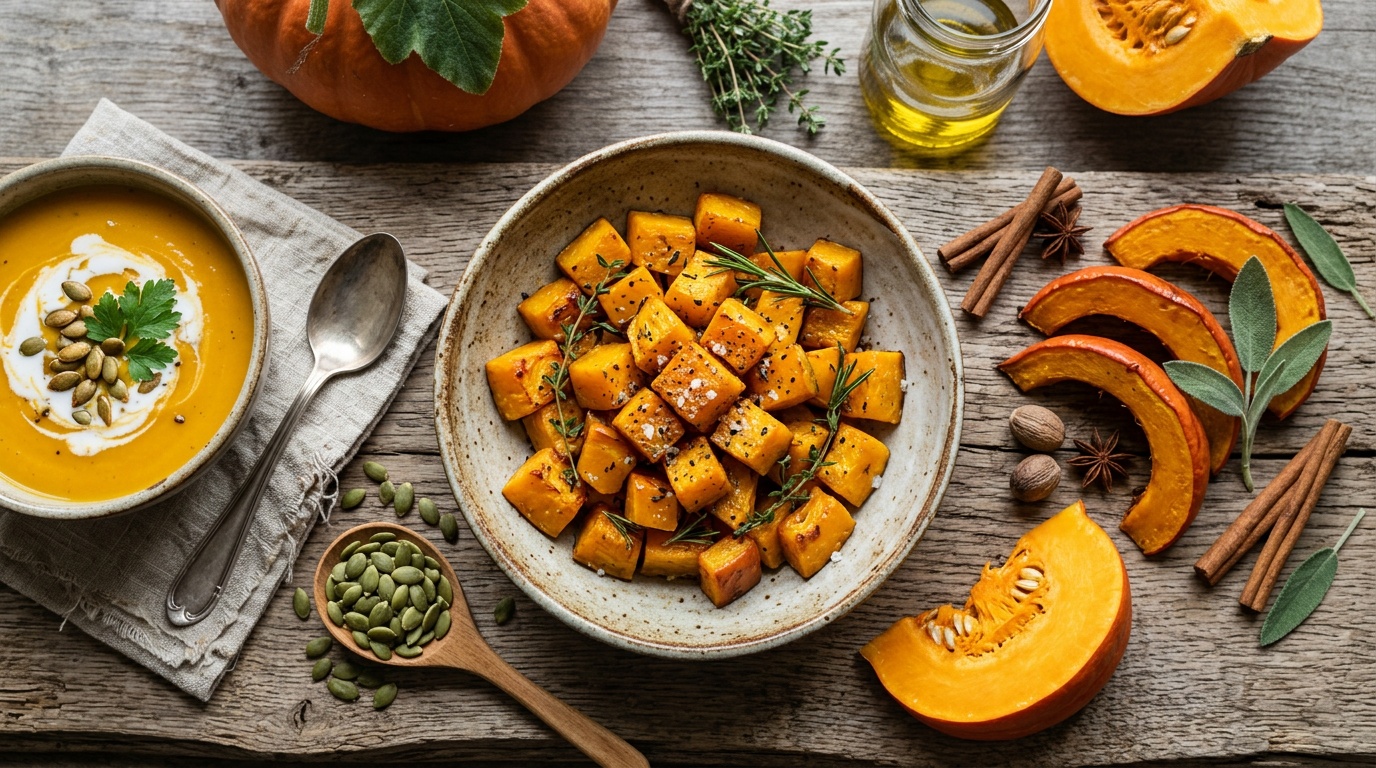
You can consume this wonderful vegetable as soup, dessert, pastry, cake, pudding, and jam.
Pumpkin Seeds
Pumpkin seeds provide great relief for men with urination difficulties arising from prostate gland enlargement. They also contribute to Vitamin E intake.
Ibn Sina's Pumpkin Cure
The measure specified in Ibn Sina's book is "one medium slice of pumpkin". Those who tried this application before achieved successful results with pumpkin equivalent to 150 grams. 150 grams of peeled pumpkin is boiled with one glass of water until the water is absorbed and consumed as breakfast every morning. After consumption, nothing is eaten or drunk for at least half an hour. The cure should be applied for 42 days; the duration of all of Ibn Sina's cures is 42 days.
The pumpkin cure balances blood sugar, beautifies the skin, and renews the immune system. It is especially excellent for intestinal problems and is known to have properties that prevent the formation of intestinal cancer.