
Vitamin K (also known as Naphthoquinone) is an important vitamin involved in blood clotting.
Which Foods Contain Vitamin K?
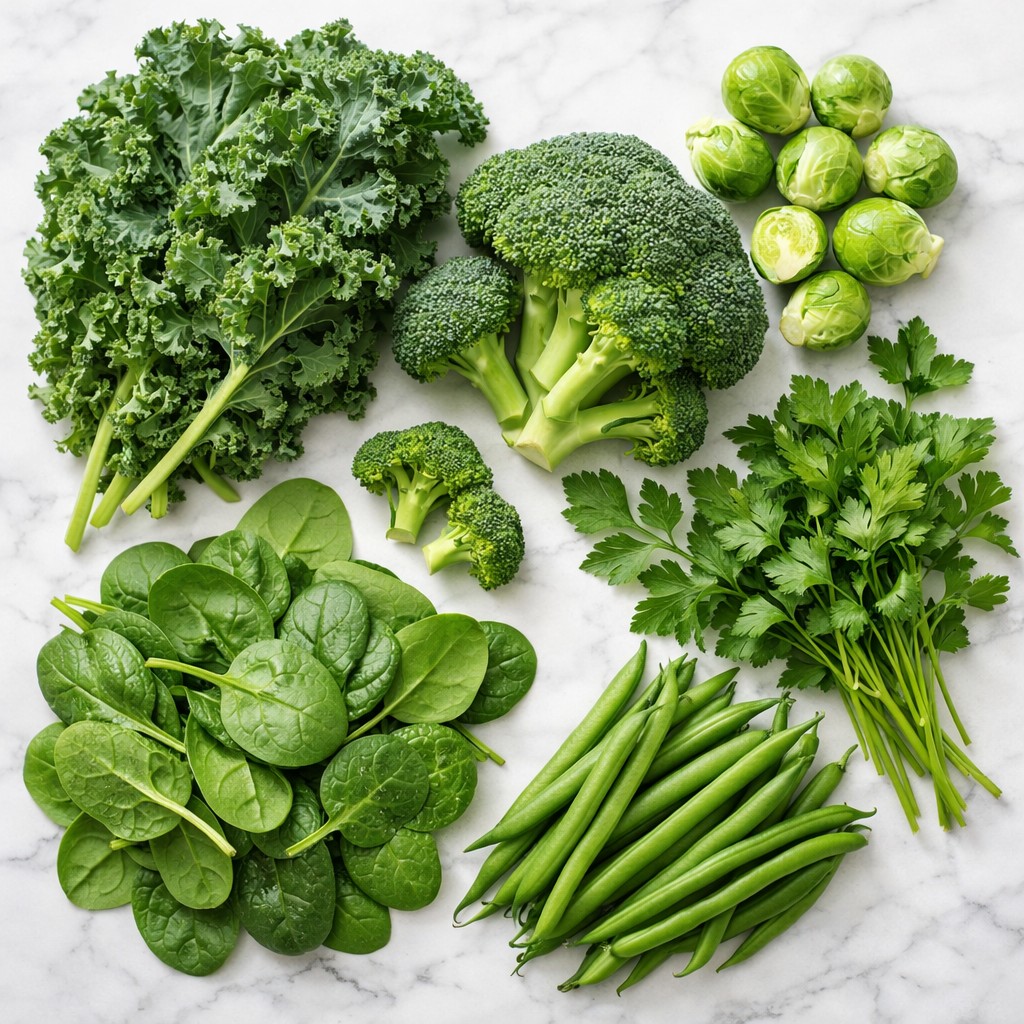
The green parts of vegetables, spinach, squash, broccoli, cabbage, Brussels sprouts, cauliflower, lettuce, green tomatoes, beans, peas, yogurt, egg yolk, potatoes, green peppers, and green tea are among the foods rich in vitamin K. Vitamin K is also produced by beneficial bacteria in the human intestine. Only a small portion of vitamin K is stored in the liver.
Vitamin K Deficiency
If vitamin K is not consumed sufficiently, the blood's clotting ability decreases, and as a result, bleeding in the gums, digestive system, urinary tract, lungs, and skin, as well as hair loss, can occur.
Vitamin K deficiency can lead to results such as hemorrhoids, nosebleeds, excessive bleeding during menstruation. It is associated with varicose veins in the legs, osteoporosis due to excessive bleeding during menopause, gallbladder disorders and alcohol use, along with painful menstrual bleeding. Bruises that do not heal may be an indicator of vitamin K deficiency.
Vitamin K supplementation is used only in patients with bleeding disorders to correct vitamin K deficiency. Especially in newborn babies, umbilical bleeding occurs due to vitamin K deficiency. To prevent this, a vitamin K injection is given immediately after birth.
The daily vitamin K requirement is easily met through food and beneficial bacteria. However, conditions that negatively affect vitamin K absorption and production can cause vitamin deficiency.
Vitamin K Excess
Vitamin K excess is very rare, but if taken in excess, it can cause dangerous conditions such as excessive blood clotting and vascular occlusion, as well as impairments in liver functions. Additionally, sweating and chest tightness may occur. Pumpkin seeds are a good source of vitamin K.
Vitamin K (phylloquinone): Daily requirement is 0.065-0.080 mg, approximately 10 micrograms.
Amount Found in 100 Grams of Foods
| Food | Amount |
|---|---|
| Fresh peas | 0.02 mg |
| Honey | 0.025 mg |
| Non-fat yogurt | 0.025 mg |
| Corn | 0.04 mg |
| Asparagus | 0.04 mg |
| Carrot | 0.08 mg |
| Potato | 0.5 mg |
| Broccoli | 0.130 mg |
| Soy | 0.190 mg |
| Lettuce | 0.2 mg |
| Brussels sprouts | 0.27 mg |
| Red cabbage | 0.01-3 mg |
| Cabbage | 0.25 mg |
| Sauerkraut | 0.01-3 mg |
| White cabbage | 0.25 mg |
| Parsley | 0.79 mg |
| Chives | 0.57 mg |
| Rosehip | 0.09 mg |
| Celery | 0.1 mg |
| Oatmeal | 0.05 mg |
| Butter | 0.06 mg |
| Egg | 0.045 mg |
| Beef liver | 0.045 mg |