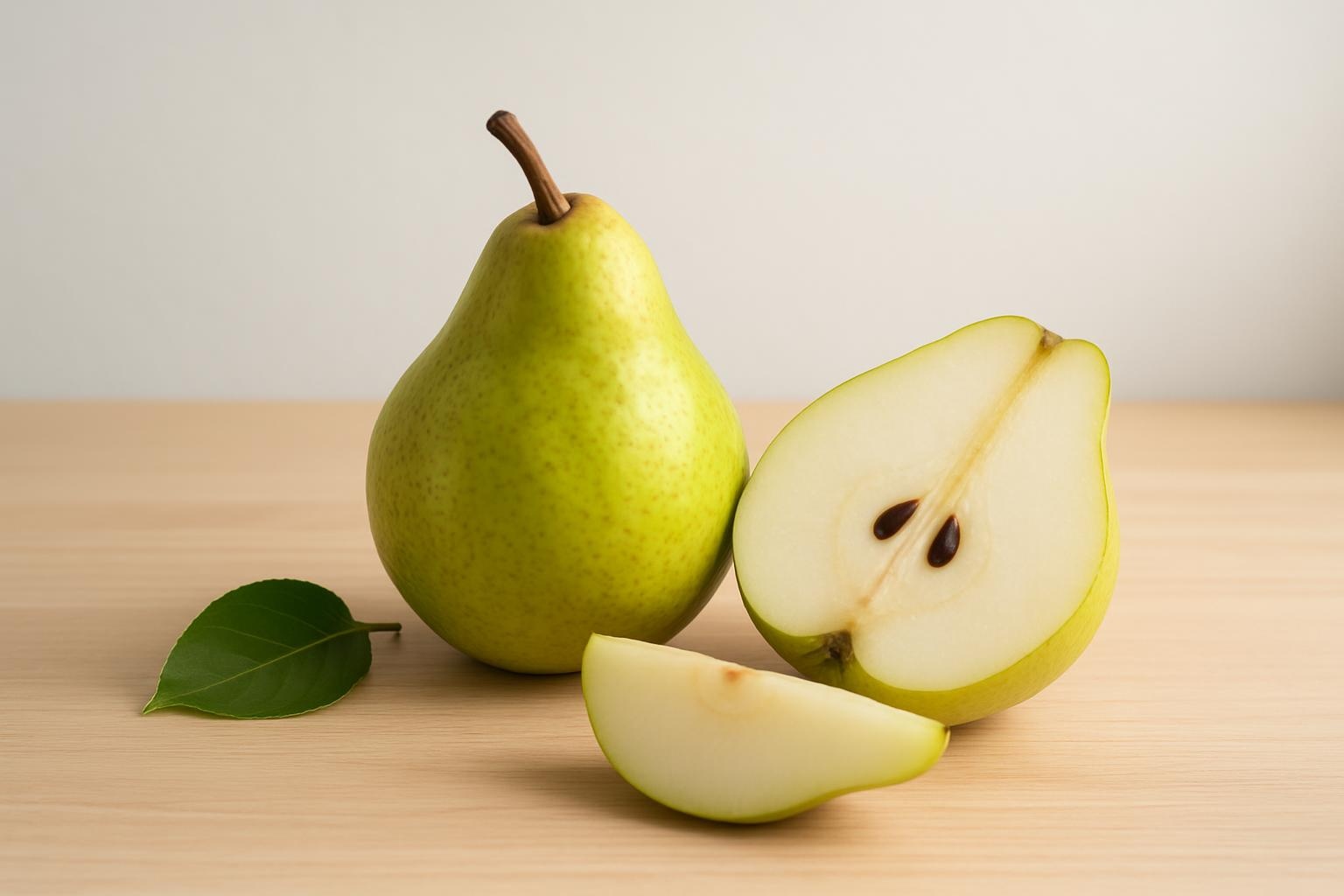
The pear, which brings a refreshing coolness to the mouth, is also very rich in vitamins. It possesses a blend of the vitamins found in apples and quinces: it contains all B vitamins, vitamin C, magnesium, and phosphorus. Because it contains folic acid and boron, it is also essential for expectant mothers. It also contains fruit sugars, carbohydrates, vegetable oil, cellulose, and tannin; however, due to its high fruit sugar content, diabetics should consume it sparingly. Extremely rich in mineral salts, the pear meets the body's needs in this regard.
Known since very ancient times, the pear is a uniquely beneficial fruit that grows with sunlight. It is fragrant, uplifting, and cooling. Those who eat pears do not feel thirsty even under the scorching desert sun.
Benefits of Pears
- Cleanses the blood of toxins and is a diuretic.
- Lowers cholesterol and prevents heart attacks with the pectin it contains.
- Facilitates digestion, strengthens the stomach.
- Helps the common cold heal quickly.
- Relieves palpitations.
- Softens the intestines.
- Provides coolness.
- Prevents arteriosclerosis.
- Balances blood pressure and cholesterol.
- Contains magnesium and boron.
- Accelerates growth with its high folic acid content.
Protective Effect Against Breast Cancer
The rich vitamin and mineral content of pears is protective against breast cancer. The incidence of breast cancer increases with hormonal imbalances occurring during menopause or due to depression. Therefore, the pear is recommended for protection against breast cancer due to its mucilaginous effect, its nerve-calming, fever-reducing, and its properties that prevent arteriosclerosis and high blood pressure. Some components utilized in recent cancer-fighting studies are also found in the structure of pears. To benefit from these effects, it is sufficient to eat one pear daily on an empty stomach between meals. For capillary health, its juice can be squeezed and drunk mixed with a teaspoon of unrefined sunflower oil. Its effects in reducing menopausal syndrome symptoms have been identified, and it is also beneficial for menopausal hot flashes. A glass of pear juice is also effective in reducing high fever.
Calms Nerves
One of the important properties of the pear is that it calms the nerves. The fruit derives this property from the abundant B vitamins it contains. It calms tense nerves and relieves mental fatigue.
Beautifies the Skin
It nourishes skin damaged by environmental pollution. It gives a radiant appearance to aged skin, tightens and beautifies the complexion, and rejuvenates it.
How to Select?
The green pear is unripe, the ripe one is yellow. It is better to prefer the yellow ones, but every variety is healthy. If it has black spots and is too soft, it indicates the pear is starting to rot.
How to Consume?
Excessive consumption is harmful as it can cause kidney stones. The pear, belonging to the Rosaceae family, is the fruit of a white-flowered tree. It is juicy, soft, sweet, and has small seeds. Its color varies between yellow and green. There are many varieties such as Ankara, Mustabey, Çengel, Kumla, and Bey.
Nutritional Values of 100 Grams of Pear
- Carbohydrates: 15.46 g
- Sugar: 9.80 g
- Cellulose: 3.1 g
- Protein: 0.38 g
- Vitamin B1 (Thiamine): 0.012 mg
- Vitamin B2 (Riboflavin): 0.025 mg
- Vitamin B3 (Niacin): 0.157 mg
- Vitamin B5 (Pantothenic acid): 0.048 mg
- Vitamin B6: 0.028 mg
- Vitamin B9 (Folic acid): 7 μg
- Vitamin C: 4.2 mg
- Calcium: 9 mg
- Iron: 0.17 mg
- Magnesium: 7 mg
- Phosphorus: 11 mg
- Potassium: 119 mg
- Zinc: 0.10 mg