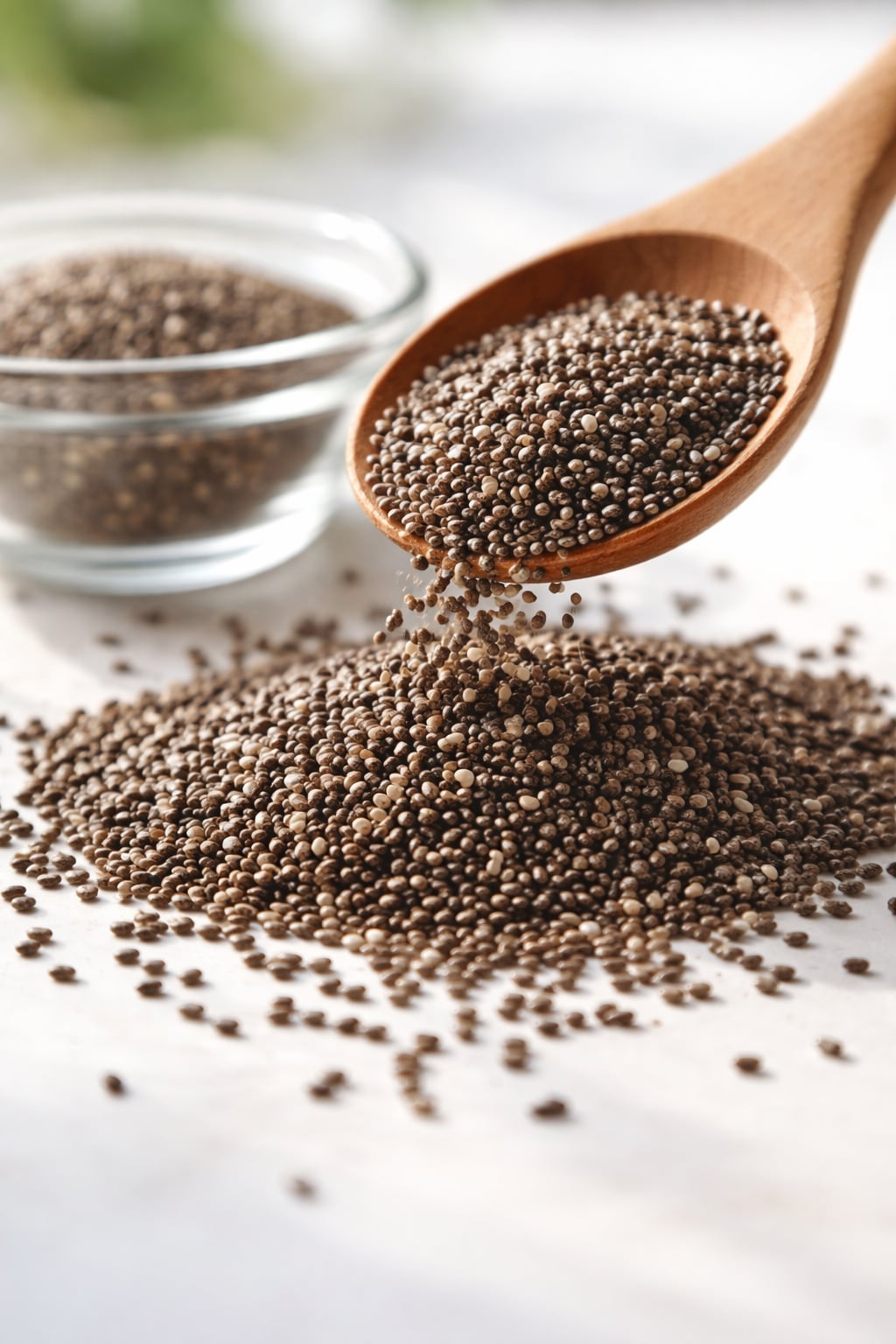
Scientists' new favorite is chia. In the production of newly produced eggs for joint pain and babies, chickens are fed chia seeds. The United States has purchased the seed production rights. Chia seed has begun to be viewed as a new superfood.
The food with the highest Omega 3 content in the world is the Chia plant seed. Because chia seed turns into a gelatinous structure upon contact with water, it is consumed in water or fruit juice in South America. It contains 0 gluten and sodium and contains no trace of any substance harmful to health, not even in minute amounts. It contains 20% protein, 34% fat, 25% dietary fiber, and a high amount of antioxidants. Chia seed oil contains 64% Omega 3 (meaning Chia seed contains 22% Omega 3).
The Chia plant is a plant that is 1 meter tall. The seeds germinate very easily. You can even plant it on your car.
Chia seed is actually a plant from the mint family called Salvia hispanica, which was eaten abundantly by the Aztecs. The Aztecs derived their endurance for battles from this plant. The plant is originally of Indian origin and began to be cultivated in Mexico. Now it is grown in Australia and America.
Which Vitamins and Minerals Does Chia Contain?
Substances present in high amounts in chia seed:
- Protein
- Fiber
- Magnesium
- Calcium
- And most importantly: ALA (Alpha-linolenic acid), a type of Omega-3 fatty acid
It contains 38% chia oil, 23% vitamins and minerals, and the remainder is fiber. The daily intake amount of the Chia plant is 1 tablespoon, 15 grams.
- In 100 grams of the plant, there is 8 times more omega-3 oil than in 100 grams of salmon
- 15 times more magnesium than an equal amount of broccoli
- 6 times more calcium than milk
- 6 times more protein than Mexican beans
- 3 times more iron than spinach
- 2 times more potassium than banana
- 9 times more phosphorus than milk
- 2 times more fiber than all fibrous foods
- Contains folic acid and vitamin B12
- Has 3 times more antioxidant content than blueberries
In 28 grams of this plant, there are 137 calories, 4 grams of protein, and 11 grams of fiber. Current research is more about the plant's nutrient content rather than its effects on people who eat it.
However, in a 2007 study on 20 diabetic patients, surprising results were obtained. In patients who ate 4 teaspoons of Chia seed daily for 3 months;
- Blood clotting rate decreased by 20%
- Inflammation decreased by 30%
- Omega-3 fatty acid ratio increased by 80%
- Their systolic blood pressure dropped by 6 units
The daily recommended dose for adults is 15 grams.
So, how does such a nutrient-rich plant taste? It is smaller than flaxseed and its color is grayish. It's even closer to the liquid of quince seed. It has no taste at all! The good side of this is that it can be added to all kinds of dishes. You can add it to a beverage or even into a cake or into yogurt.