
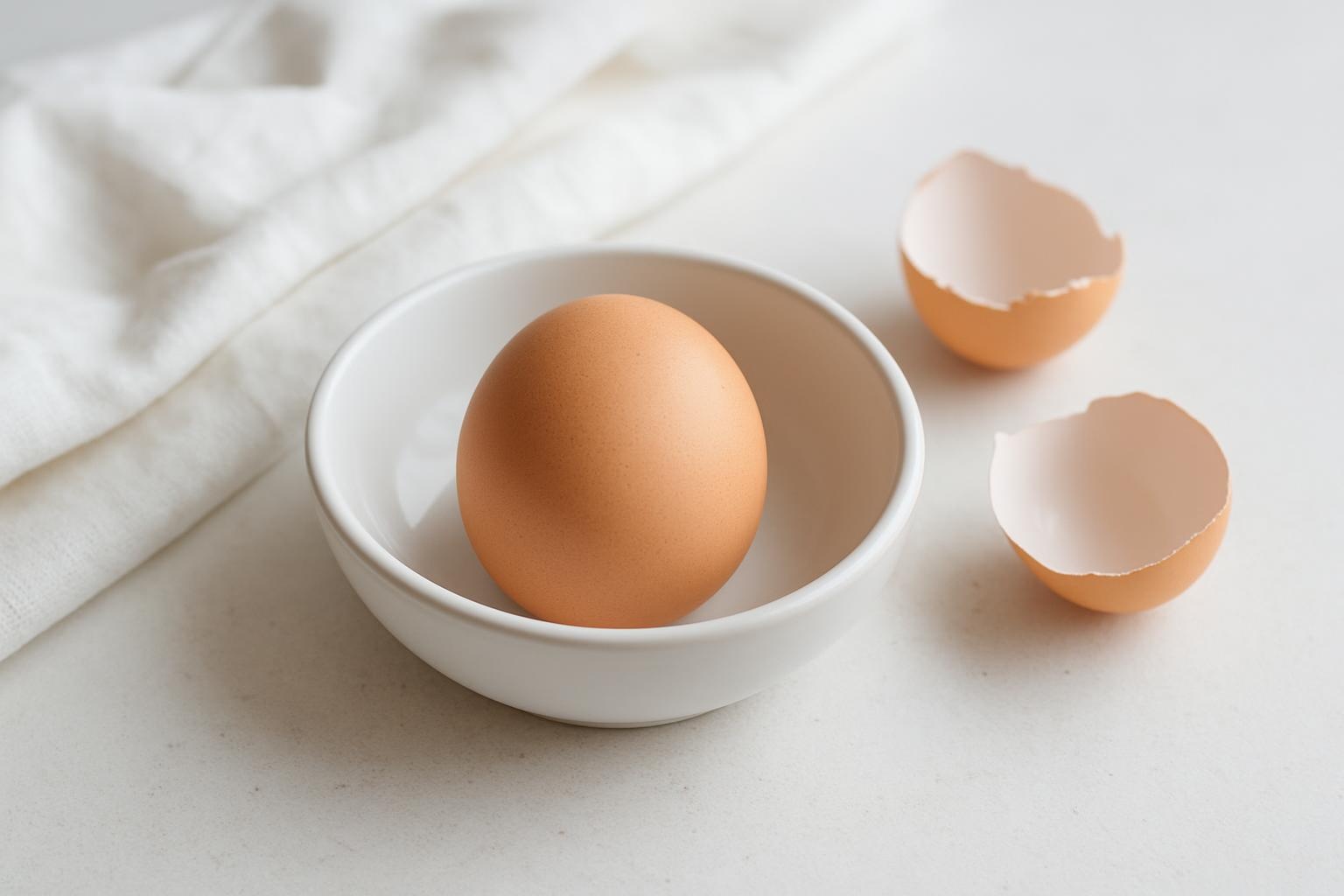
Eggs are a superfood that has finally been cleared of the long-unjustly accused cholesterol claim. Eggs contain choline, inositol, protein, biotin, vitamins D, A, and E, thiamin, niacin, riboflavin, iron, and phosphorus; they contain all 10 essential amino acids. Extremely valuable for brain development, eggs also reduce the risk of Alzheimer's. Two eggs per day are recommended for children, and at least one for adults (if there is no allergy).
Should Raw Eggs Be Drunk?
No. Especially when mixed with milk and drunk raw, it causes the expulsion of beneficial bacteria in the intestines. There is also a risk of salmonella bacteria.
Storage Method
Since eggs are a perishable food, they should be stored in the refrigerator in their cardboard packaging, with the pointed end facing down. They maintain freshness for 7 days at room temperature and 1 month in the refrigerator. Because eggs have a porous structure, they should be kept away from strong-smelling foods in the refrigerator; the cardboard box serves a protective function in this regard.
Egg Yolk Color
The darkness of the yolk changes entirely according to the content of the chicken's feed; it has no relation to the nutritional value or quality of the egg. If the feed contains more wheat, the yolk is light; if it contains more corn, it is dark. Although some sellers present dark yolks as organic, this is not correct.
There is also no nutritional difference between brown and white eggs; the shell color is only related to the breed of the chicken.
Freshness Test
When a fresh egg is cracked into a pan, the white should spread in a gelatinous manner about 7 centimeters in diameter, and the yolk should stand about 1-1.5 centimeters high. If the white spreads like water, the yolk breaks easily, or there is a foreign odor, the egg has lost its food value.
Second method: Place the egg in water. If it sinks to the bottom, it's fresh; if it floats, it's stale. Third method: Hold it close to your ear and shake it — if it makes a sloshing sound, it's spoiled. Be aware that the dates on eggs sold in markets are sometimes changed; it's always safe to test them in case they turn out to be spoiled.