
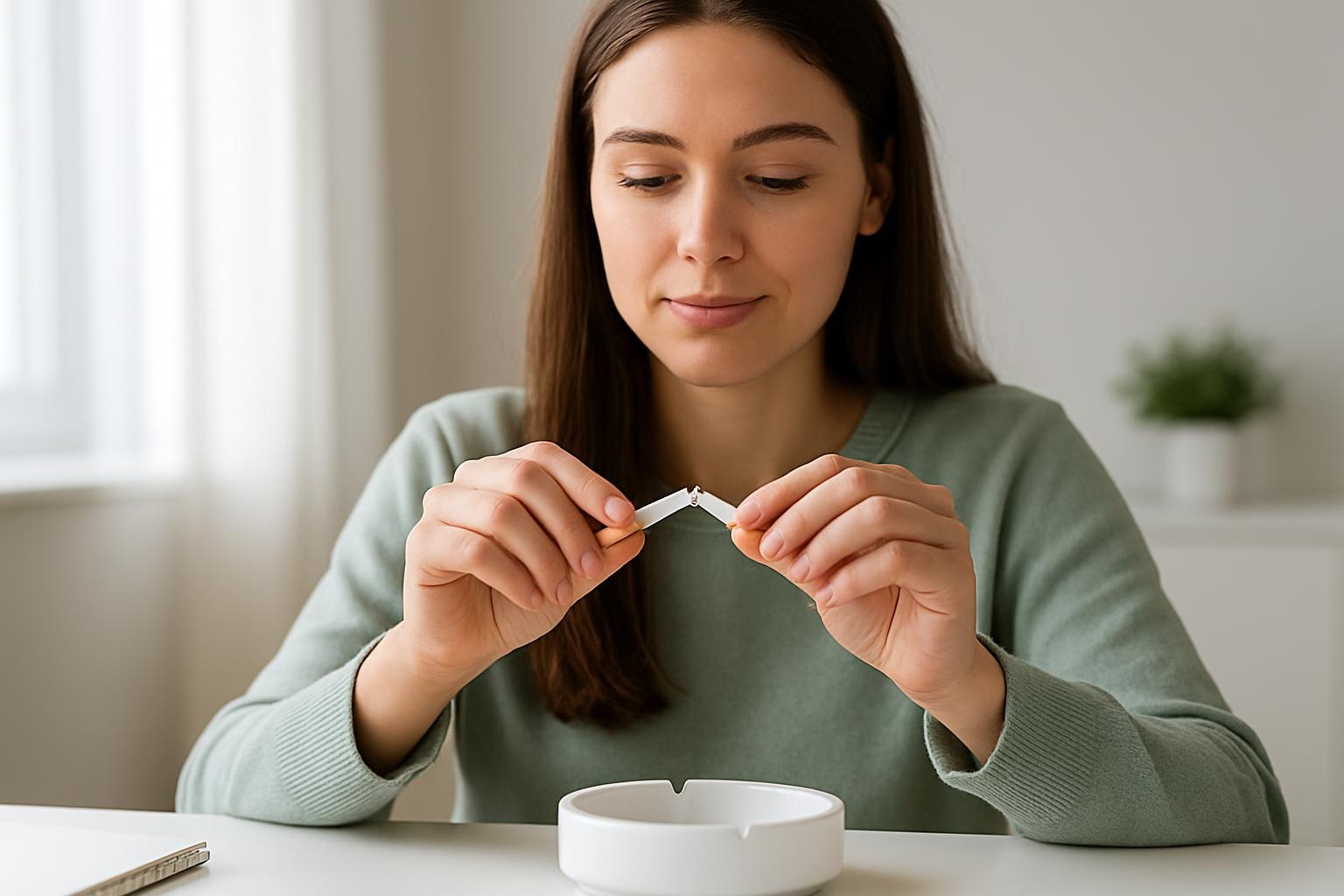
Quitting smoking is both a physiological and psychological process. With the right steps, it is possible to get through this process more easily.
First Steps
When quitting smoking, it is necessary to also quit the habits of drinking tea, coffee, and cola together. It is important to stay away from everything that will remind you of cigarettes. Having a strong reason and a firm determination to quit is essential — defining and implementing this in writing makes the process easier.
Physiological Addiction
In smokers, the brain largely delegates endorphin production to cigarettes. The most fundamental reason for wanting to quit but not succeeding is the brain's temporary inability to produce its own endorphins. This situation is temporary; although it varies from person to person, after about 7-8 days, the brain gradually begins to produce its own endorphins.
Due to nicotine deficiency, depression, nervous disorder, anger, difficulty sleeping, concentration problems, headache, fatigue, and increased appetite may be experienced. These symptoms peak 48-72 hours after the last cigarette and then may decrease and last for a few weeks.
Psychological Addiction
Habits like smoking after meals, during stressful moments, when getting in the car, or upon waking up in the morning create mental connections. To break these connections, it is necessary to try to change old habits for a while. Psychological addiction usually passes in 21 days. What is important is not to respond to the urge to smoke by smoking when it arises; with each passing urge, the brain learns something new and gives up wanting.
Exercise and Ear Massage for Endorphins
Exercise is the strongest trigger for endorphin production. However, excessive and rapid exercise should not be done during the quitting period; because toxin elimination accelerates and side effects may increase. Light exercise, walking, reading books, or gardening help in coping with psychological addiction. Stress balls, yoga, and knitting also reduce nervous tension.
Useful Plants
Lavender and lavender, licorice root are highly recommended plants for quitting smoking. Lavender should not be boiled, while centaury herb should be steeped without boiling according to Germany's recommendation. Rosemary tea and chamomile tea (if blood pressure is not high) support toxin elimination. For stress, cumin, St. John's wort, borage plant, kefir, fennel are beneficial.
Attention: During the quitting period, nettle, carob, beta carotenes, and vitamins E and A should absolutely not be used. The reason for this is that they trigger cell proliferation during excessive toxin elimination.
Toxin Elimination
Saltwater bath is one of the most beneficial methods for both psychological and physiological addiction — it calms the nerves and accelerates toxin elimination. Drinking warm lemon water immediately upon waking also supports toxin elimination and the astringent taste that forms in the mouth reduces the desire to smoke.
Chewing lavender or clove helps when the urge to smoke arises. Fennel seed relieves gas problems. Consuming one red onion with meals for 40 days after quitting accelerates the lungs' return to their former health. Black radish juice also protects the lungs and bronchi.
Changes in the Body
- After 20 minutes: Blood pressure and pulse return to normal.
- After 8 hours: The carbon monoxide level in the blood returns to normal.
- After 24 hours: The risk of heart attack begins to decrease.
- After 2 weeks – 1 month: Circulation improves, lung capacity increases by 30%.
- After 1 – 9 months: Coughing, fatigue, and shortness of breath decrease. The cilia in the lungs return to their normal function.
- After 1 year: The risk of coronary heart disease becomes half that of smokers.
- After 5 years: The risk of heart attack drops to the same level as non-smokers.