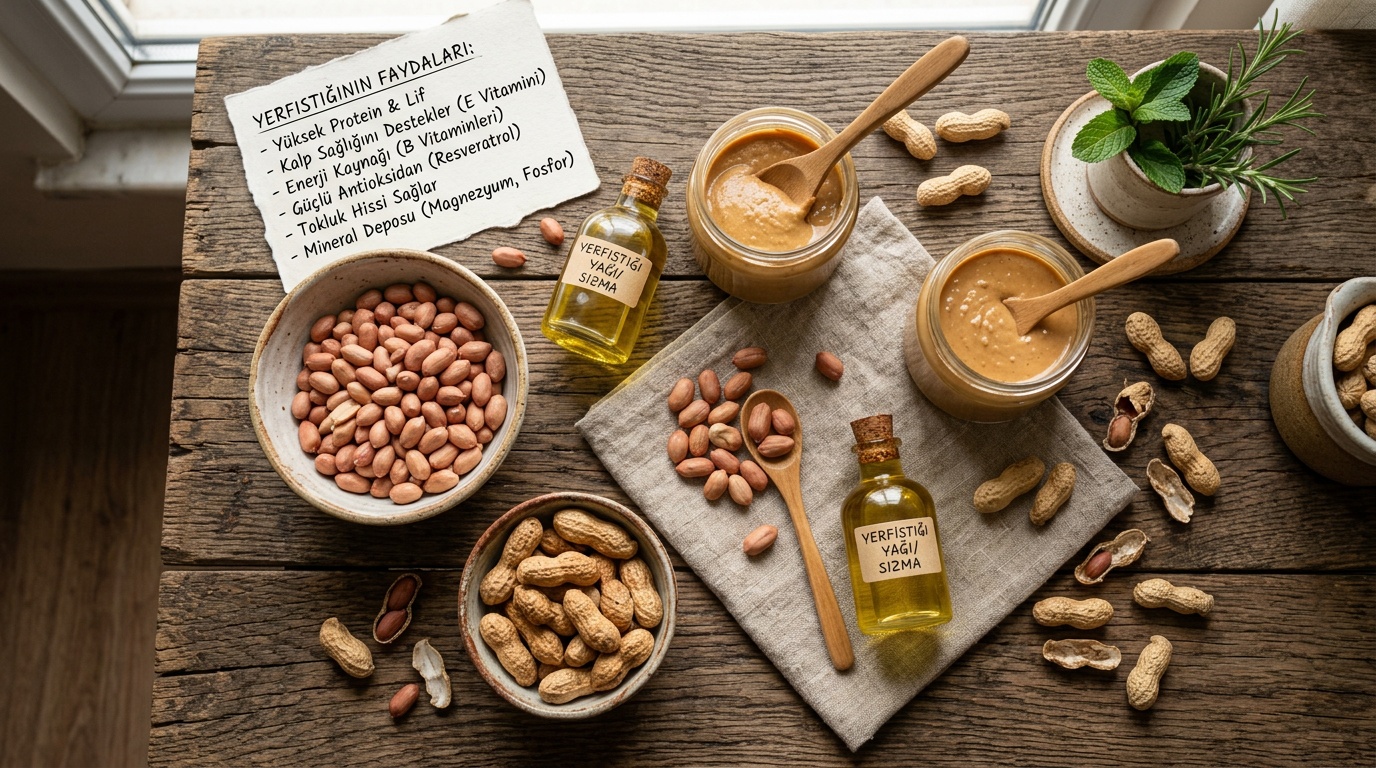
Peanuts contain 13 different vitamin groups; including vitamins A, B, C, and E, as well as niacin and thiamine from the B vitamin group. Containing 26 essential minerals, it is a powerful enough food source on its own. Thanks to elements like calcium, protein, iron, zinc, magnesium, potassium, and boron, it supports mental development and strengthens the bones of growing children. "Peanuts" are also known by the names groundnut, earth pea, and monkey nut.
Benefits
- Strengthens bones and muscles.
- Beneficial for heart health; lowers blood cholesterol levels, reducing the risk of cardiovascular diseases.
- Due to its vitamin E and fiber content, it is among the protective foods against cancer.
- Facilitates learning and relieves mental fatigue.
- Balances blood sugar levels, making it beneficial for diabetic patients.
- Contains zinc, which strengthens the immune system and provides a protective effect against the flu.
- Magnesium (276 mg/100g) nourishes bone and nerve tissue, regulates muscle function and heartbeats.
- Potassium has blood pressure-lowering properties; shows positive effects in heart failure, kidney diseases, and liver problems.
- Its selenium content protects the body from various diseases, prevents the development of diabetes, and increases resistance to cancer.
- Its boron content nourishes hair, stops hair loss; also beneficial for joint pain.
- Contains resveratrol; helps keep the body vigorous and young against psoriasis, aging, and cancer formation.
- Beneficial in hemophilia (blood clotting disorder); prevents excessive blood loss during women's menstrual periods and is also effective for nosebleeds.
- When crushed and eaten mixed with goat's milk, it strengthens the immune system; beneficial for mother and baby health during pregnancy, carries protective properties against tuberculosis and hepatitis infections.
- Increases sexual potency.
- Has a comprehensive nutritional value sufficient to replace a snack on its own.
Note: May cause allergic reactions in some individuals; excessive consumption leads to indigestion. Roasted peanuts have no health benefits.
Nutritional Values (100g)
| Nutrient | Amount |
|---|---|
| Protein | 25.80 g |
| Fat | 49.24 g |
| Carbohydrate | 16.13 g |
| Fiber | 8.5 g |
| Water | 6.50 g |
| Calcium | 93 mg |
| Iron | 4.58 mg |
| Magnesium | 168 mg |
| Phosphorus | 376 mg |
| Potassium | 705 mg |
| Sodium | 18 mg |
| Zinc | 3.27 mg |
| Copper | 11.44 mg |
| Manganese | 1.934 mg |
Special Usage Recommendations
For tuberculosis, hepatitis, cirrhosis, and hair loss: 50 grams of peanuts should be mixed with goat's milk and eaten as a daily nutritional supplement. Also beneficial for premature graying of hair. Those who cannot find fresh goat's milk can use goat cheese soaked in water overnight with the salt removed (matchbox-sized). Can also be used this way for infants over 6 months. Nursing mothers can eat up to 60 grams.
For stomach ulcers: 50 grams of crushed peanuts and 12 crushed pine nuts should be eaten together. Can also be consumed mixed with yogurt.
For gastritis, heartburn, and acid reflux: Regular consumption is beneficial.
Monitor whether you have an allergy to peanuts. For daily use, 50 grams is sufficient for adults.