
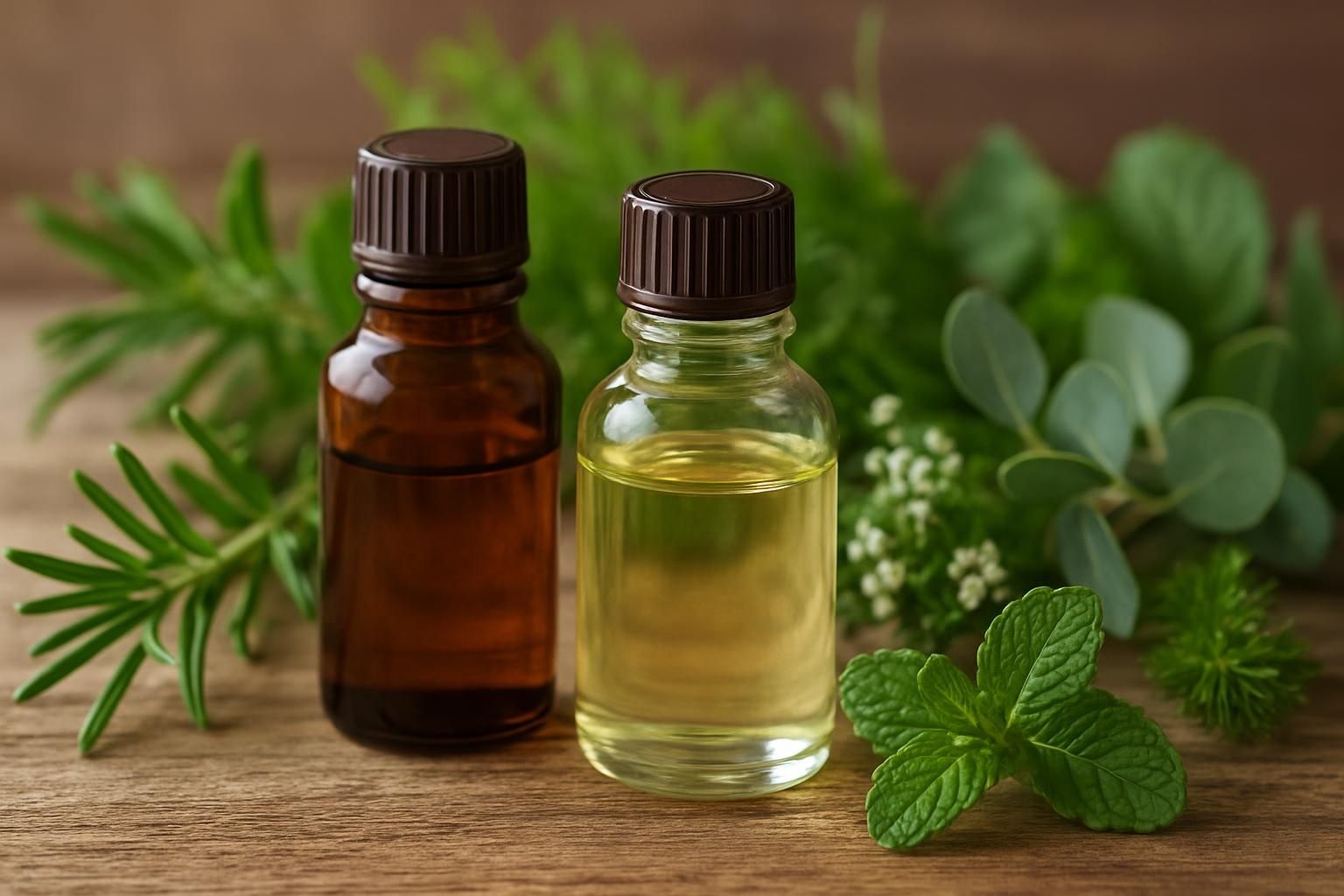
Vegetable Oils
Fats are among the most crucial elements in vital matters such as healthy human nutrition, children's growth, managing the aging process, protection from diseases, and the success of treatments. The foundation of healthy nutrition is based on the adequate, appropriate, and high-quality intake of five important substance groups into the body: proteins, fats, carbohydrates, vitamins, and minerals.
Fundamentally, natural fats are triglyceride structures formed by the combination of one glycerol molecule with three fatty acid molecules. Generally, liquid vegetable oils are much more beneficial for health compared to solid and animal fats; however, this does not mean completely excluding animal fats. Many valuable substances and vitamins obtained from milk and meat cannot be obtained from other sources; the essential point is to limit their proportion in total fat intake to a low ratio like 20%.
Substances that the body cannot produce itself and must obtain ready from outside are called essential substances. The frequently mentioned Omega fatty acids (Omega-3, Omega-6, etc.) are essential fatty acids of this nature; they must be present in the body for cell structure, hormones, enzymes, and tissue health. Not all Omega fatty acids are essential; for example, oleic acid (Omega-9) in olive oil can be produced by the body.
Various techniques are applied during the production of vegetable oils. The technique with the least yield is cold pressing; oils obtained this way are called "virgin oil." Cold pressing preserves the natural lecithins, vitamins, phytosterols, lignans, and organominerals of oils to the greatest extent. Refined oils are more resistant to thermal processes such as frying and prolonged cooking; virgin oils, however, are sensitive to heat and lose their properties when used for frying.
Flaxseed Oil
Flaxseed oil is a fixed oil obtained from the seeds of the flax plant (Linum usitatissimum). Flaxseed oil intended for food, medicine, and cosmetic purposes must be a natural, pharmaceutical-quality oil that has not undergone thermal processing. Linseed oil obtained by roasting the seeds or hot pressing is used in industry; its use for food and cosmetic purposes has been determined to be harmful to health and can lead to cancer.
Source of Omega fatty acids: Untreated flaxseed oil contains 80–85% omega fatty acids and is one of the richest known sources of Omega-3 (58%). The Alpha Linolenic Acid (ALA) it carries enables the production of an anti-inflammatory fatty acid called EPA. In this way, it can provide protection against many inflammation-based diseases, from arthritis to stomach ulcers.
Source of Lecithin: It is also rich in valuable active lecithin containing Omega-3 and ALA. These substances are effective in protecting and repairing cells in liver, nerve, and brain tissues, and in the reconstruction of all cell membranes.
Source of Lignans: Flaxseed oil carries lignans with strong antioxidant properties. Although these substances are not hormones, they have significant estrogenic activity; they can reduce menopausal symptoms, play a role in preserving bone density, and may have a protective effect against age-related prostate inflammations in men.
Phytosterols, Vitamins E and A, Organominerals: Flaxseed oil is also a valuable source of phytosterols (which prevent the reabsorption of cholesterol in the intestines), Vitamin E (tocopherols), carotenes (precursors of Vitamin A), and organominerals.
Sesame Oil
Sesame (Sesamum indicum) is a valuable plant grown in almost every subtropical and tropical region of the world. In Turkey, especially in the Aegean Region, high-quality Golden Sesame is produced and exported. The greatest feature of sesame oil is that it is very rich in vitamins, minerals, antioxidants, and lecithin; however, to obtain these substances without deterioration, the sesame must not be roasted and must be protected from heat.
- Vitamins: Especially E, A, and B complex vitamins (Niacin with anti-inflammatory effects stands out)
- Minerals: Primarily organic compounds of iron and calcium
- Antioxidants: Sesamol, sesamolin, and sesamin
- Lecithin: Lecithins with oleic and linoleic acid
Its sun protection factor is quite high, like SPF 45, and together with its antioxidants, it is an ideal natural sun oil. By adding a small amount of cocoa butter, healthy and fast tanning can be achieved. It is one of the best base massage oils for aromatherapy and medical massages. It is also used in salads, mayonnaise, and sauces. Due to the organic iron and lecithin it carries, it provides support in anemia problems; organic calcium salts are beneficial in decreasing bone density. For joint problems, for massage application, 1 teaspoon of oil is mixed with 4 teaspoons of fresh lemon juice and drunk on an empty stomach for at least 30 days.
Other Vegetable Oils
Nettle Seed Oil: In Europe, it is referred to as "Youth Oil." Used in very small amounts, such as 5 drops per day, this oil is used as a supportive agent against general aging problems and low resistance.
Pumpkin Seed Oil: Preferred in systemic and skin disorders due to the anti-inflammatory and antioxidant qualities of the organic mineral derivatives of zinc and selenium it contains. It supports the immune system and can protect against infectious, inflammatory diseases.
Apricot Kernel Oil: Similar to almond oil; it is a soft oil that can also be used on thin and sensitive-skinned areas like the eye area, breast tissue, and lips.
Bay Seed Oil: Used to stimulate dead, dry, damaged skin due to its stimulating and antiseptic effects on the skin. It can prevent dandruff and protect against hair loss; it should not be used very frequently.
Anise Fixed Oil: Internally, it is carminative, stomachic, antispasmodic, calming, and estrogenic. Externally, it is also soothing, reparative, and nourishing for the skin.
Cumin Fixed Oil: An aromatic oil that is stomachic, carminative, increases digestion and intestinal movements. It can also be used as a concentrated flavoring in foods like meat products, mayonnaise, and sauces.
Black Seed Oil: Externally antiseptic, stimulating, and nourishing; internally facilitates digestion. It strengthens the immune system, protects against various skin diseases including dandruff, and has been used in allergic conditions like asthma. It is also beneficial in psoriasis.
Sunflower Oil: It is the poorest oil in terms of Vitamin K; this is a great advantage for those at risk of blood clotting. It is recommended that those who have had a cerebral infarction use sunflower oil with active lecithin while taking lecithin.
Poppy Seed Oil: A healthy oil rich in omega fatty acids, used to thin and dilute all oils, and also to add a special aroma to pastries.
Almond Oil: An oil that penetrates the skin very easily, nourishes the tissue, preserves its moisture, and can repair it. Generally used for cosmetic purposes as a cleanser, softener, and protector.
Walnut Oil: Generally used externally; it is heavy and has a high lubricating ratio. It should be preferred on dry, worn, and aged skin. It nourishes the scalp, can protect against hair loss; it is also used against wrinkles and cracking around the eyes and lips.
Oils used in aromatherapy contribute to general body health with their mind-clearing and calming effects. Peppermint essential oil, lemon, and St. John's wort oil alleviate pains; added to bath water, they provide relaxation.
Other Fixed Oils
- Cocoa Butter
- Sage Oil
- Bergamot Oil
- Bay Seed Oil
- Rose Oil
- Carrot Oil
- Apricot Oil
- Lavender Oil
- Eucalyptus Oil
- Vanilla Oil
Essential Oils
- Orange Peel Oil
- Lemon Peel Oil
- Rosemary Essential Oil
- Bay Essential Oil
- Thyme Essential Oil
- Peppermint Essential Oil
- Myrtle Essential Oil
- Chinese Essence
- Blue Anemone Oil
- Lavender Oil (Karabaş Otu)
Note: Essential oils irritate the skin; they should not be applied directly to the skin.