High blood pressure damages organs. It particularly leads to serious damage in the brain, vascular system, heart, and kidneys. Kidneys are among the organs that cannot regenerate. Brain stroke, heart attack, kidney failure, vision damage, and vascular blockages are among the diseases caused by high blood pressure; it is often the cause of sudden death. The cause of high blood pressure is usually irregular diet and lack of exercise habit. Protecting yourself from high blood pressure and finding a solution for it is largely in your hands.
Causes of Blood Pressure Diseases
- Alcohol and cigarette use
- Birth control pills and hormonal medications
- Sedentary lifestyle
- Consuming mineral water and waters high in sodium
- Excessive coffee consumption
- Diabetes and kidney disease
- Heredity and excessive weight
- Drug addiction
- Weight loss aid medications and appetite suppressants
Symptoms of High Blood Pressure
- Headache and dizziness
- Ringing in the ears
- Brain throbbing
- Feeling of tightness in the chest
- Difficulty breathing
- Chest pain
In some diseases like goiter, high blood pressure is seen in one out of ten patients. While it used to be seen only in the elderly, it has now become a problem in young children as well; the reason for this is nutritional disorder and unhealthy lifestyle.
What Can We Do to Lower Blood Pressure
I have reviewed many scientific articles on this subject. The vast majority of the articles primarily recommend changing lifestyle, quitting forbidden foods, and starting weight loss and exercise. If all these methods do not provide benefit, there is medication treatment, and if that also does not help, there is a simple half-hour surgical method developed by Australian experts and applied in many countries around the world.
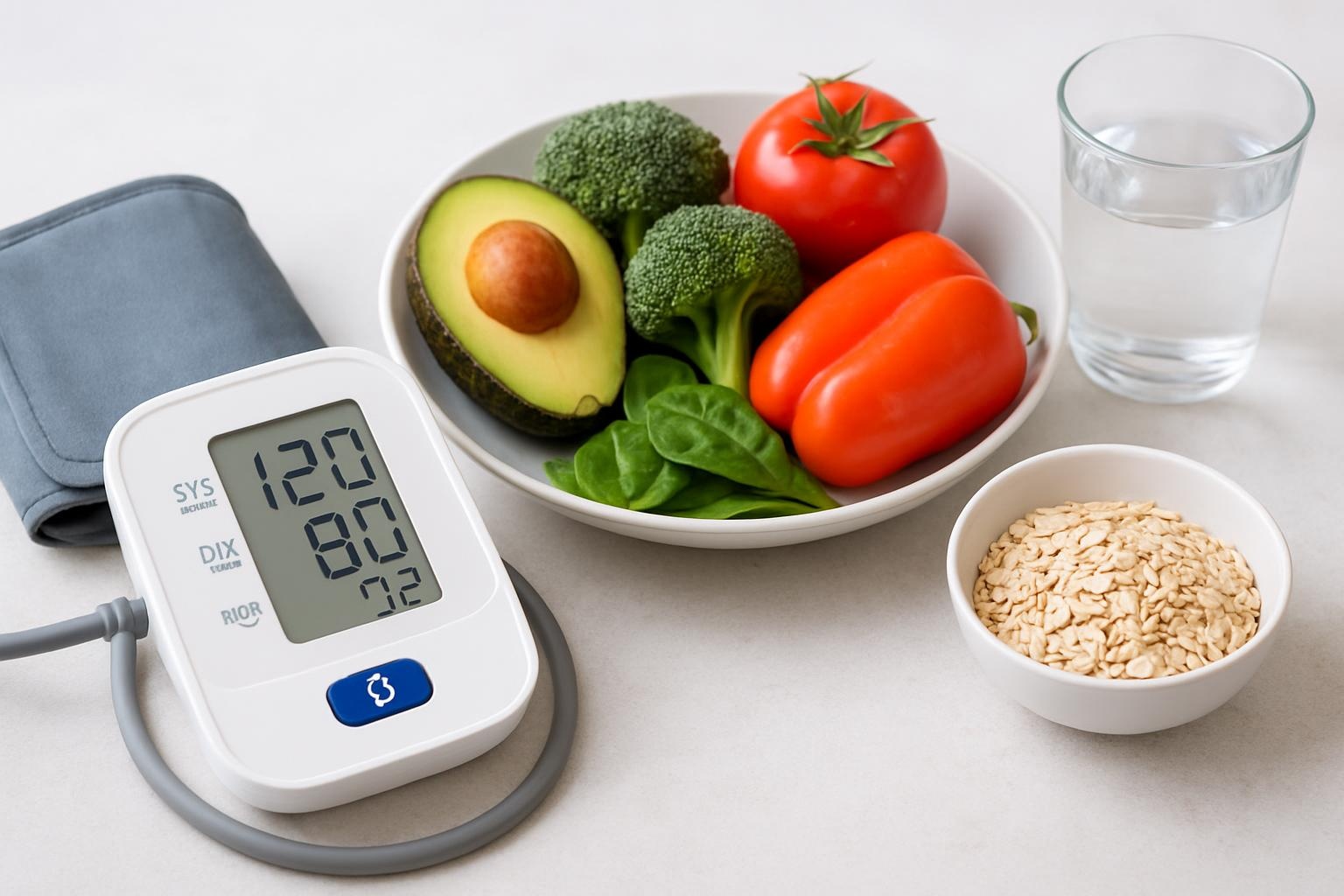
- Monitor your blood pressure regularly; have your blood lipids measured periodically.
- Blood pressure does not drop immediately in two days; be patient and determined.
- The most effective blood pressure reducer is walking; walk regularly for at least half an hour a day. Swimming is also extremely beneficial.
- Lose your excess weight; however, rapid weight loss causes muscle loss. Sustain weight loss with healthy eating and exercise.
- Avoid excessive salt in cooking and meals. Do not consume crispbread, breadsticks, grissini, and processed foods.
- Prefer unsaturated fats (olive oil, sunflower oil) over saturated fats (margarine, fatty meat).
- Avoid cigarettes; cigarettes cause sudden blood pressure spikes.
- Prefer skim varieties of milk, cheese, and yogurt.
- Consume plenty of fruits and vegetables like grapes, pears, peaches, apricots, strawberries, oranges, tangerines, pomegranates, apples, plums, cherries, lemons, dates, red beets, arugula, and fresh fruit juices.
- Pay attention to stress; seek help from experts if necessary. Meditation is beneficial for nervous tension.
Beneficial Foods and Plants
Pear is one of the best blood pressure-friendly fruits; it is vascular protective and beneficial against vascular calcification. It is recommended to consume one a day; however, diabetics should be careful due to its sugar content. Broccoli is one of the most beneficial and harmless blood pressure balancers among vegetables. Red beet and apple are effective when consumed together for renewing the liver and balancing blood pressure.
Passionflower plant and lemon balm are beneficial if high blood pressure is due to nervous tension. Walnut is also recommended by experts for nervous tension.
Mistletoe and hawthorn fruit also have blood pressure-lowering properties; however, since these are mildly poisonous plants, they must be used by boiling.
While parsley lowers blood pressure, its use as a cure is not recommended; the reason is osteoporosis. The stem parts of parsley can be consumed raw, 5-6 pieces a day.
Lavender (Karabaş Otu)
Lavender is known among the public as the "brain broom". It is used for brain stroke, blood pressure, varicose veins, high cholesterol, and inflammations; it is also beneficial for Alzheimer's and forgetfulness. To prepare tea, 1 teaspoon is added to 1 cup of boiling water and left to rest covered for 15 minutes. Treatment starts with half a teacup on an empty stomach morning and evening. Even pus can drain from the teeth; it should not be consumed excessively. The dose can gradually be increased to one cup morning and evening; do not stop the treatment before 20 days are up.
Q10 Supplement
Prof. Dr. Linus Pauling advocates that Q10 supplementation is beneficial in all blood pressure and heart problems. Q10 is recommended for energy production, DNA damage, heart problems, kidney failure, and diabetes. The famous chemist who discovered Q10 received the Nobel Prize for this discovery. Q10 is naturally found in almonds, meat, broccoli, green vegetables, and walnuts.
Since sage tea can raise blood pressure, it is recommended that blood pressure patients not use it. Hibiscus tea is beneficial for heart and vascular health. Fish and especially salmon oil are found to be beneficial in blood pressure diseases. Benefit from beneficial foods and plants without excess; always consult your doctor before using herbal products together with blood pressure medications.
In a study conducted in Bremen, it was observed that sunbathing for 15 minutes a day is very beneficial in lowering blood pressure; in winter months, this duration should be at least 20 minutes.