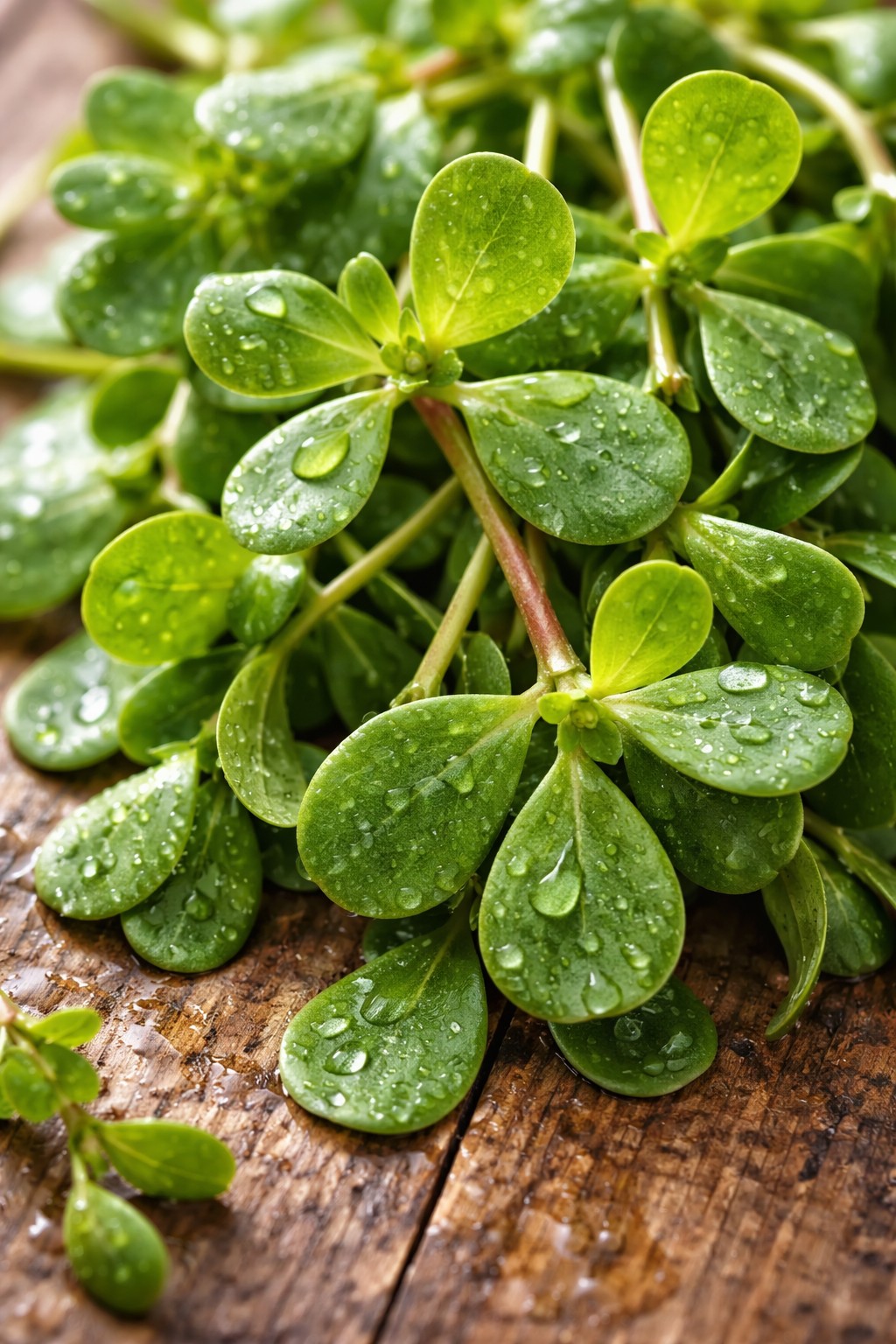
Purslane, which has the highest Omega-3 among vegetables, is used in dishes both by cooking its leaves and by using them in salads. Eating it as a salad is more beneficial. It is a vegetable rich in iron and vitamin C.
Nutritional Value of 100 Grams of Purslane
- Water: 92.5 g
- Protein: 1.5 g
- Carbohydrates: 3.5 g
- Minerals: 0.8 g
- Fat: 0.39 g
- Vitamin C: 22 mg
- Vitamin A: 1.9 mg (beta-carotene)
Purslane is known to be the highest known source of alpha-linolenic acid (ALA) among vegetables. In 100 grams of fresh purslane leaves, 300-400 mg of alpha-linolenic acid has been found along with high amounts of various antioxidants. It contains 22 mg of vitamin C, 12 mg of vitamin E, 1.9 mg of beta-carotene, 14 mg of glutathione. It contains B6, B1, B2, zinc, magnesium, potassium, sodium, iron.
- With its Omega-3 content, it is important for heart health.
- Regular use of Omega-3 has a cholesterol-regulating effect.
- Omega-3 thins the blood and prevents clotting.
- Its ALA content is protective of the immune system and boosts immunity.
- It has a blood-cleansing effect. It helps cleanse the blood of urea and similar substances.
- Reduces thirst in diabetic patients.
- It delays aging and protects against cancer because it increases the body's water retention capacity and contains valuable omega fats and minerals.
- Beneficial for smokers with its vitamins B2 and C.
- With its low calories and contained vitamins and minerals, it aids in weight loss.
- It is more beneficial if eaten raw. High vitamin C intake is achieved.
It is eaten as a green salad or added to yogurt to provide the vitamin C intake that yogurt lacks.
- Good for brain fatigue.
- Relieves nervous breakdowns and brain fatigue.
- Relieves headaches.
- It is calming for the nerves and beneficial for sleep problems.
- Has a positive effect against heartburn.
- Beneficial for stomach and intestinal ulcers.
- Has fever-reducing and antiseptic properties.
- Beneficial for colds.
- Used for its antiseptic properties in cough treatment and lung diseases.
- It is not a medicine, but a food supplement.
- Used in children to prevent infected loose teeth. Consuming it as food is sufficient. Its antiseptic effect is utilized during chewing.
- Prevents tooth decay.
- Among the benefits of purslane is its use as a diuretic in kidney and bladder disorders.
- Helps expel sand and stones in the kidneys.
- It is a good food for those suffering from constipation.