Molybdenum (Mo) is incorporated into the structure of flavin-containing enzymes such as xanthine oxidase, nitrate reductase, and hydrogenase.
Things to Consider While Dieting
It activates enzymes. It is said that we are unaware of foods containing molybdenum. The importance of a balanced diet in protecting our health is very evident when consuming foods with knowledge of their contents. Just as molybdenum deficiency causes many diseases, its excess is also harmful. The harms of dieting also become clearly apparent when vitamins are very well understood.
It works together with riboflavin (B2) for our body to store iron within hemoglobin to create red blood cells. It plays a role in iron transport. It is part of the structure of many enzymes. It is necessary for the component of many enzymes in the body. It is a cofactor for purine sequencing and uric acid. It is necessary for fat, iron, and carbohydrate metabolism. In nitrogen-fixing bacteria, it enables the binding of atmospheric nitrogen.
It is important for the development of rumen bacteria in ruminants.
Molybdenum is consumed in sufficient amounts daily; deficiency is almost never an issue. Deficiency is not seen in those who eat healthily.
In Case of Deficiency
- Amino acid intolerance
- Allergy, e.g., to sulfite
- Hair loss
- Infertility
- Weakness, fatigue
- Excitement, heart rhythm disorder (tachycardia), shortness of breath
- Itching
- Tooth decay
- Fetal development disorder
- Retardation in mental functions
- Irritability or therapeutic asthma
- Kidney stone formation
- Esophageal cancer
- Low uric acid level in blood
- Night blindness
Overdose
- Joint pain
- Joint swelling or deformation
- Increased respiratory rate
- Liver damage
- Tachycardia
- Gout
- When taken in excess, anemia, skeletal and muscle disorders are observed.
Daily dose: 0.05-0.25 mg
Amount in 100 Grams of Food
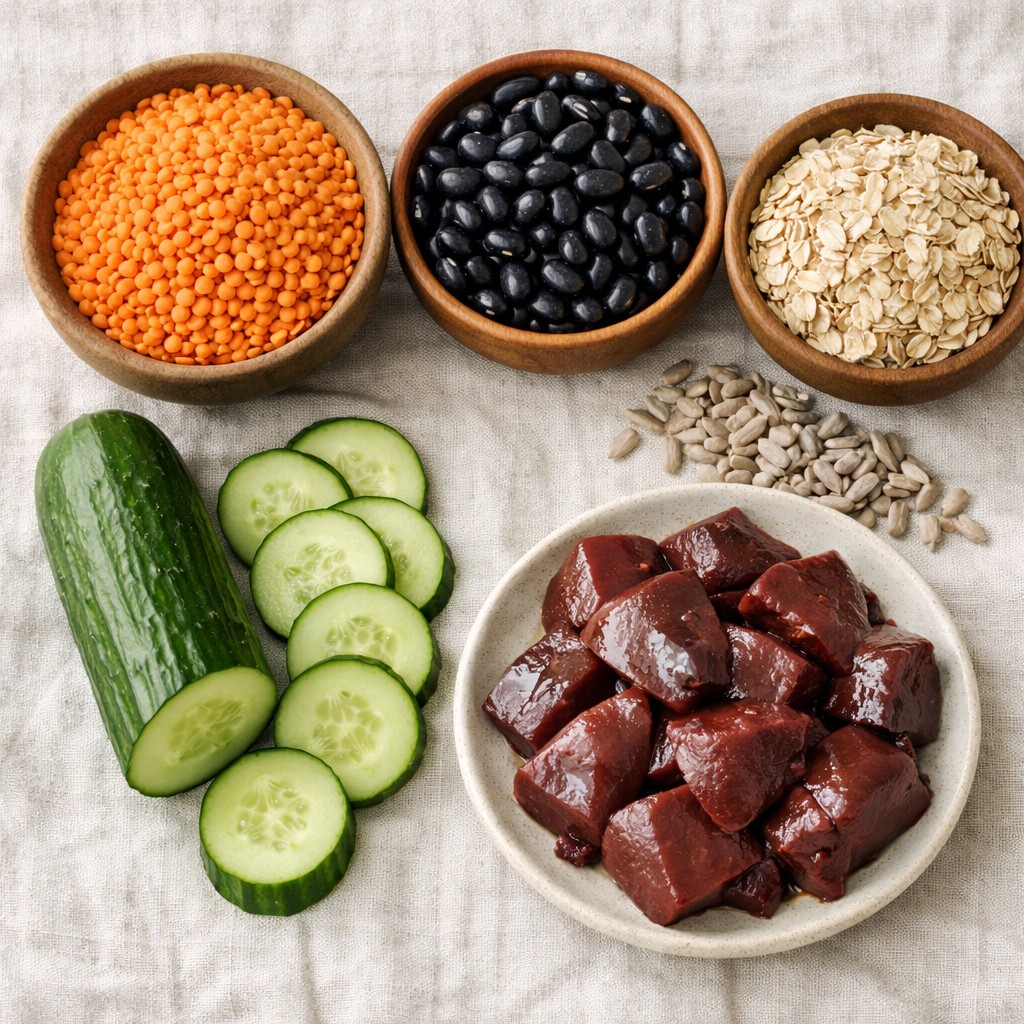
- There are many molybdenum sources such as cheese, egg yolk, whole grains, papaya.
- Peanuts: 0.043 mg
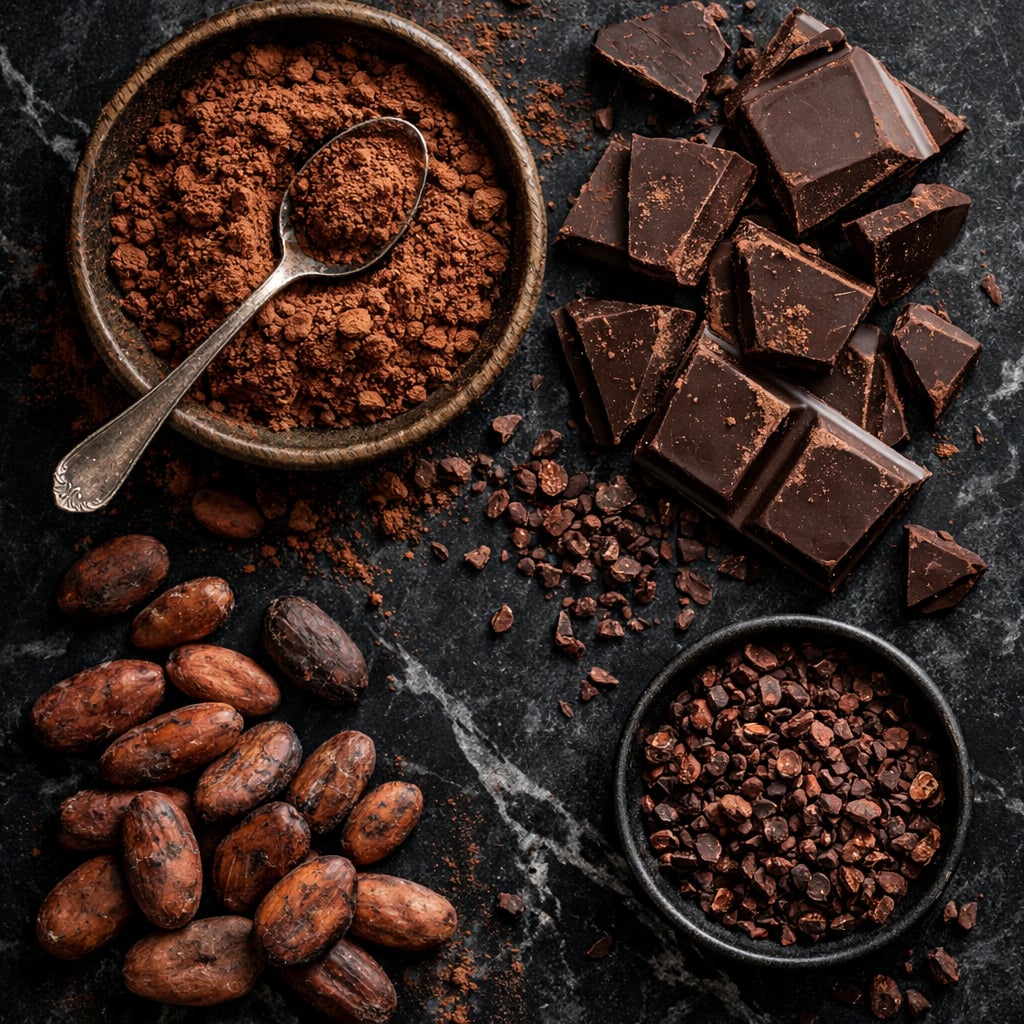
- Cocoa: 0.073 mg
- Carp: 0.05 mg
- Cereal grains: 0.078 mg
- Potatoes: 0.08 mg
- Rice: 0.1 mg
- Peas: 0.1 mg
- Red cabbage: 0.12 mg
- Soy flour: 0.18 mg
- Lentils: 0.19 mg
- Green beans: 0.455 mg
- Cauliflower, legumes: between 0.03-0.19
- Whole grains
- Garlic
- Offal: between 0.02-0.1 mg
Translation from a university article on the importance of vitamins and their causation of diseases.