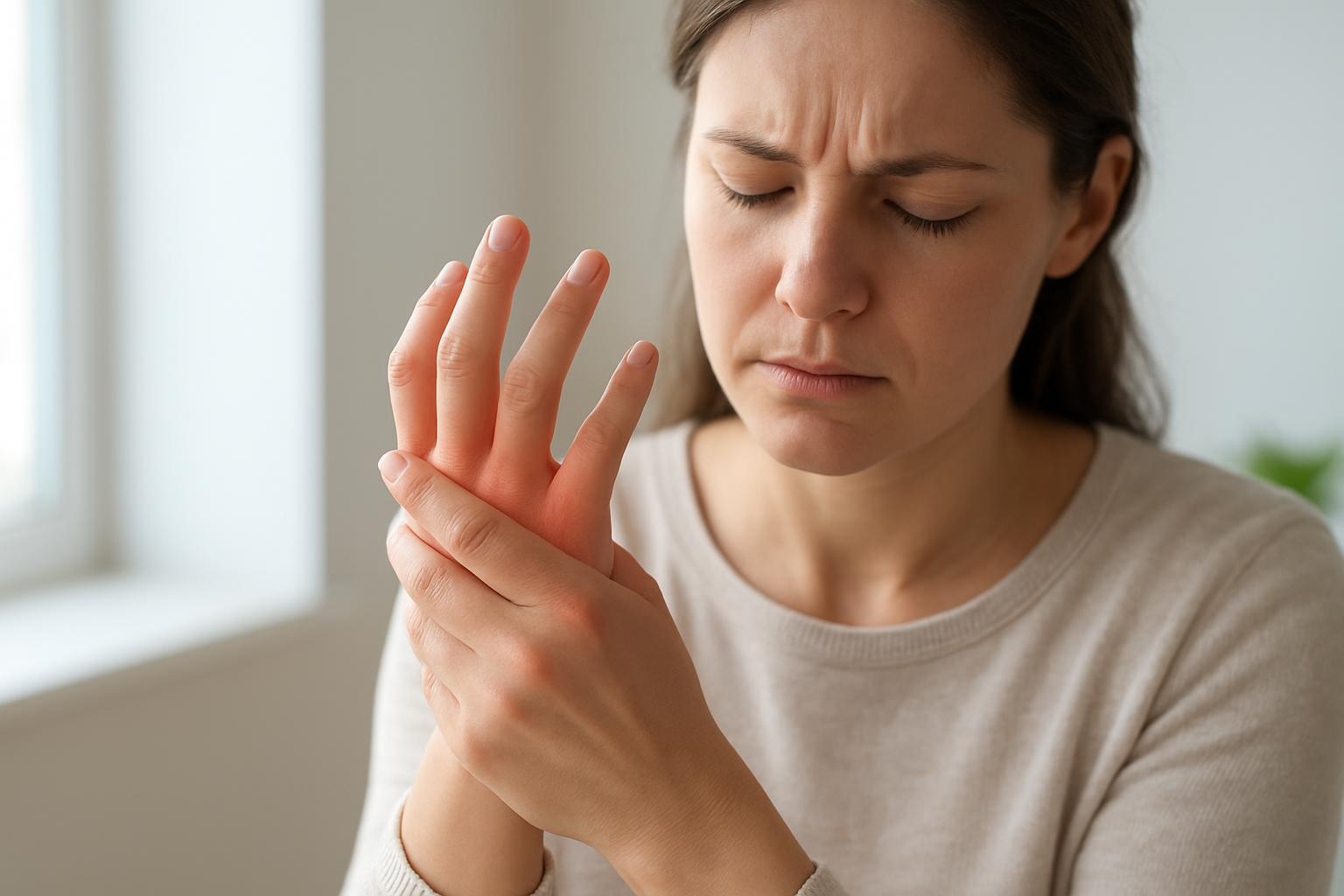
Joint pain, the most common ailment in old age, makes life difficult. While it may not be possible to stop aging, there are ways to minimize pain. According to Internal Medicine Specialist Dr. Mustafa Nafiz Karagözoğlu, the main source of pain is wear and diseases in the muscles, bones, cartilage, and fibers that form the joint. Even without aging, rheumatic diseases known as inflammatory rheumatism can lead to joint pain.
How Does Joint Calcification Occur?
Joints gradually begin to deteriorate, especially after the age of 40. The cartilage lining the joint surfaces begins to break down, become damaged, and thin; the production of new cartilage tissue slows down. Calcium-based substances begin to accumulate in the corners and inner surfaces of the joint. Joint fluid decreases, joint spaces narrow, the joint surface becomes irregular, and as a result, movement becomes difficult. Increased load on worn joints causes new wear; pain and swelling gradually become more pronounced.
Treatment and Exercise
The two most important points are controlled weight loss and regular, correct exercise. Drug therapy recommended by a physical therapy specialist and, if necessary, physical therapy applications form the basis of treatment; orthopedic surgical methods can also be considered as a last option.
You should follow a special diet and movements prepared for you, not a one-size-fits-all approach. Flexibility exercises that preserve joint mobility and relax surrounding tissues to soften the joints are very beneficial. Exercises against weight and resistance can also be used to strengthen muscles. Exercises should be started slowly, with the dose gradually increased. If you are overweight, prefer exercises like swimming over walking and running, which put a load on the knees. Try to protect your joints from twisting, falling, and impacts.
Avoid uncontrolled spa visits unless your doctor recommends it; inflammatory rheumatic diseases, asthma, heart, hypertension, and diabetes can become unbalanced in a spa environment.
Joint-Friendly Foods
Foods high in silicate and vitamin C are the main foods recommended for joint and vascular health. They are most beneficial when steamed briefly without losing sulfur and vitamins:
- Leek, tomato, green beans
- Red and white cabbage, cucumber, zucchini
- Kohlrabi, broccoli, rye
- Oat stalk and grain (asthma patients cannot consume grains due to high B3 content; they can benefit from oat stalk, bamboo stalk, or horsetail baths)
- Potato (high in silicate, but not recommended for diabetics)
Among plants, horsetail (also known as equisetum) contains the most silicate.
Rosehip
Prof. Dr. Kaj Winther, a cardiology specialist at the University of Copenhagen, states that Litozin, a herbal rosehip powder, is an important option for patients suffering from joint pain and calcification. The powder (GOPO) obtained from rosehip seeds and shells through special production techniques supports improvement in joint pain and reduces pain caused by calcification.
Rosehip loses its effectiveness and protein structure when heated; in cold water, its essence does not fully extract. Therefore, powder form, not tea, is recommended for joint pain. Winther learned this information from Danish farmer Erik Hansen; residents in the area reported feeling healthier and having no back or leg pain that winter after consuming rosehip powder for three to four months.
Red Pepper
The capsaicin substance found in red pepper helps and shows a healing effect on joint inflammation and pain.
Omega-3
Omega-3 fats and foods containing these fats have an anti-inflammatory effect. Sea salmon is a high source of omega-3; however, as it may cause bone thinning, it is not recommended to consume it more than 3 days a week.
Sun and Vitamin D
The sun is one of the most natural methods for treating pain and strengthening bones. Since vitamin D is synthesized in the sun, one should benefit from the sun for 15-20 minutes a day with arms, legs, and face exposed to sunlight. Avoid the hours between 10 am and 4 pm when the sun is directly overhead.
Broccoli, Ginger, and Other Helpers
Broccoli, thanks to its high magnesium content, is beneficial for relieving pain and cramps and for joint health. Among the richest sources of magnesium are zucchini and raw pumpkin seeds.
Ginger is known as the medicine for rheumatic pains. It alleviates pain, and scientific studies have also observed that it increases mobility (if you do not have a bleeding disorder). Ginger contains the precursor enzymes of vitamin B12; excessive consumption can cause bleeding.
Bananas and milk help with painless sleep and reduce allergies due to their magnesium content and serotonin hormone.
If you do not have a stomach disease, pomegranate is also a strong option; it carries even higher antioxidants than green tea, and its collagen tissue renewing effect has been reported. Grapes and grape seed oil are also among the foods proven to be beneficial for joint pain. Fruits like cherries, sour cherries, grapefruit, strawberries, and blackberries also have pain-relieving and cholesterol-lowering effects; however, the juices of these fruits should not be consumed together with pain relievers and cholesterol-lowering medications, and caution should be exercised in those prone to migraines.