What is Efelek?
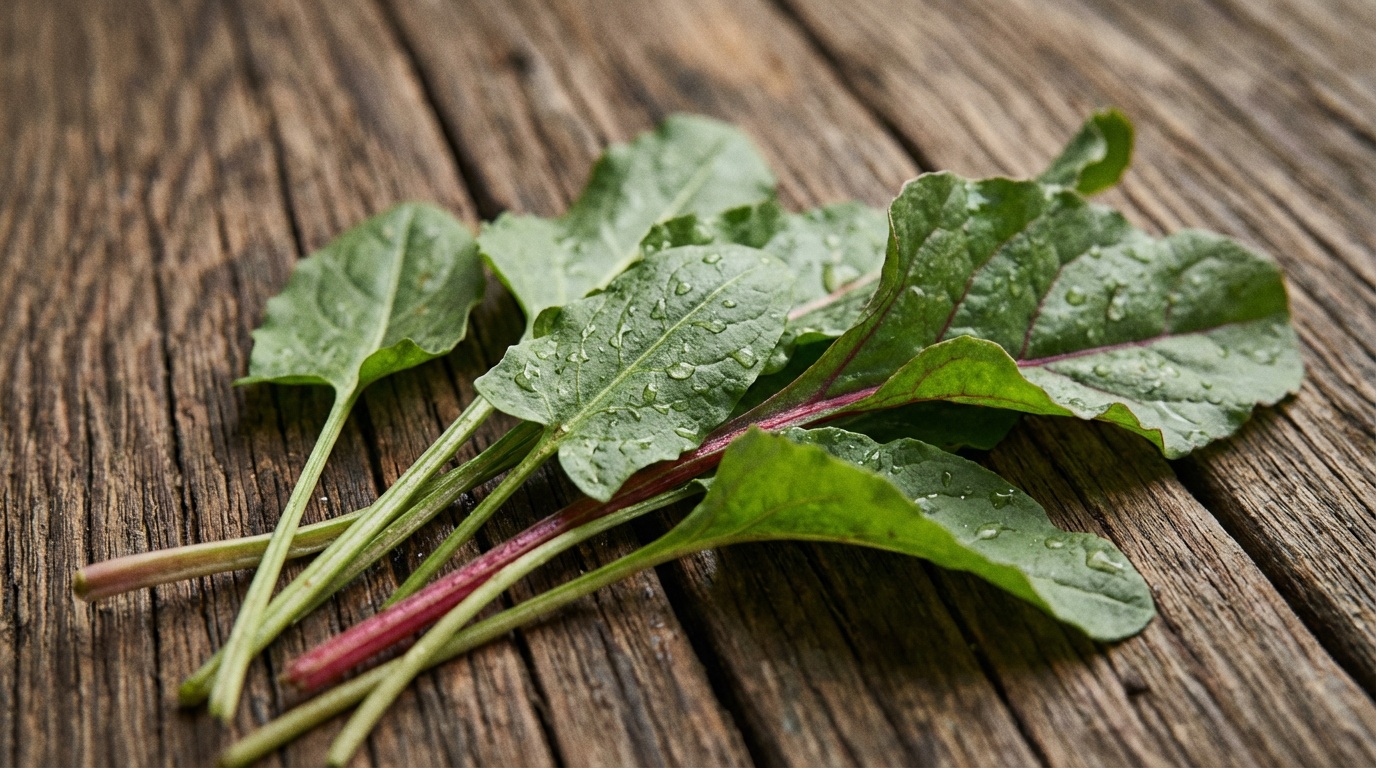
It is said that efelek increases height in some regions of Anatolia. It is sautéed with eggs and fed to children. I also researched; I couldn't find its vitamin and mineral values precisely. It is thought to help with height growth because it contains folic acid. It is recommended to be consumed with animal proteins; it is already prepared with eggs in Anatolia. Efelek, from the buckwheat family, is a plant that reaches one to two meters in height. Chopped efelek is sautéed in oil, an egg is cracked on top, and it is fed to children with slow development. Consuming it once a week is sufficient. It has properties that strengthen the body, purify the blood, and soften the intestines. Sorrel and dock belong to this group. It is written that it has a mild mucilage effect and when placed on solid tumors, it reduces them. The common feature of efelek and chard is that they are sources of folic acid; they purify the blood and may help shrink solid tumors and tumors.
What is Chard?
Chard is a vegetable from the spinach family, newly recognized in Europe. Recently, it has found its place on restaurant menus. It is thought to contain alpha-lipoic acid. Excessive consumption may be harmful to the kidneys due to oxalate salts. Chard, a fibrous vegetable, is rich in vitamins A, C, and K. It also contains vitamin E, folate, magnesium, calcium, potassium, phosphorus, iron, and manganese. It contains the carotenoids zeaxanthin and lutein, which are good for the visual organs; it is an antioxidant. It is beneficial for cancer, diabetes, and heart health. It should not be consumed raw.
Nutritional Values of Chard (100g Fresh)
| Nutrient | Value |
|---|---|
| Calories | 24 kcal |
| Protein | 2.2 g |
| Carbohydrates | 2.7 g |
| Fat | 0.3 g |
| Fiber | 1.8 g |
| Vitamin A | 600 IU |
| Vitamin C | 35 mg |
| Vitamin E | 1.5 mg |
| Vitamin K | 400 IU |
| Vitamin B9 (folate) | 40-80 μg |
| Potassium | 400 mg |
| Calcium | 100 mg |
| Magnesium | 72 mg |
| Iron | 3 mg |
| Zinc | 0.4 mg |
(Values are approximate.)
Benefits of Chard
- It stimulates appetite; gives strength to the body.
- It is beneficial for bones.
- It facilitates digestion; relieves constipation, is diuretic.
- Reduces burning complaints in the urinary tract and is beneficial for inflammations.
- Used in the treatment of ulcers, tumors, leukemia, and other cancers.
- Good for hemorrhoid pain, digestion; balances stomach acid.
- May be beneficial against cough; prevents anemia.
- If chard juice is mixed with almond oil and applied to hair, it slows hair loss.
- Efelek and chard poultice may help shrink solid tumors.
- When chard poultice is placed on the head with rose oil, it relieves pain.
Chard; can be consumed boiled and seasoned with garlic yogurt, or sautéed with onion and garlic alongside meat dishes. It is also suitable with fish dishes. Chard has valuable minerals, but the body may not absorb all of them.
Efelek or Chard Dolma
Ingredients
- 1 bunch efelek (or chard)
- 1 dry onion
- 1 tablespoon tomato paste
- 1 teaspoon dried mint
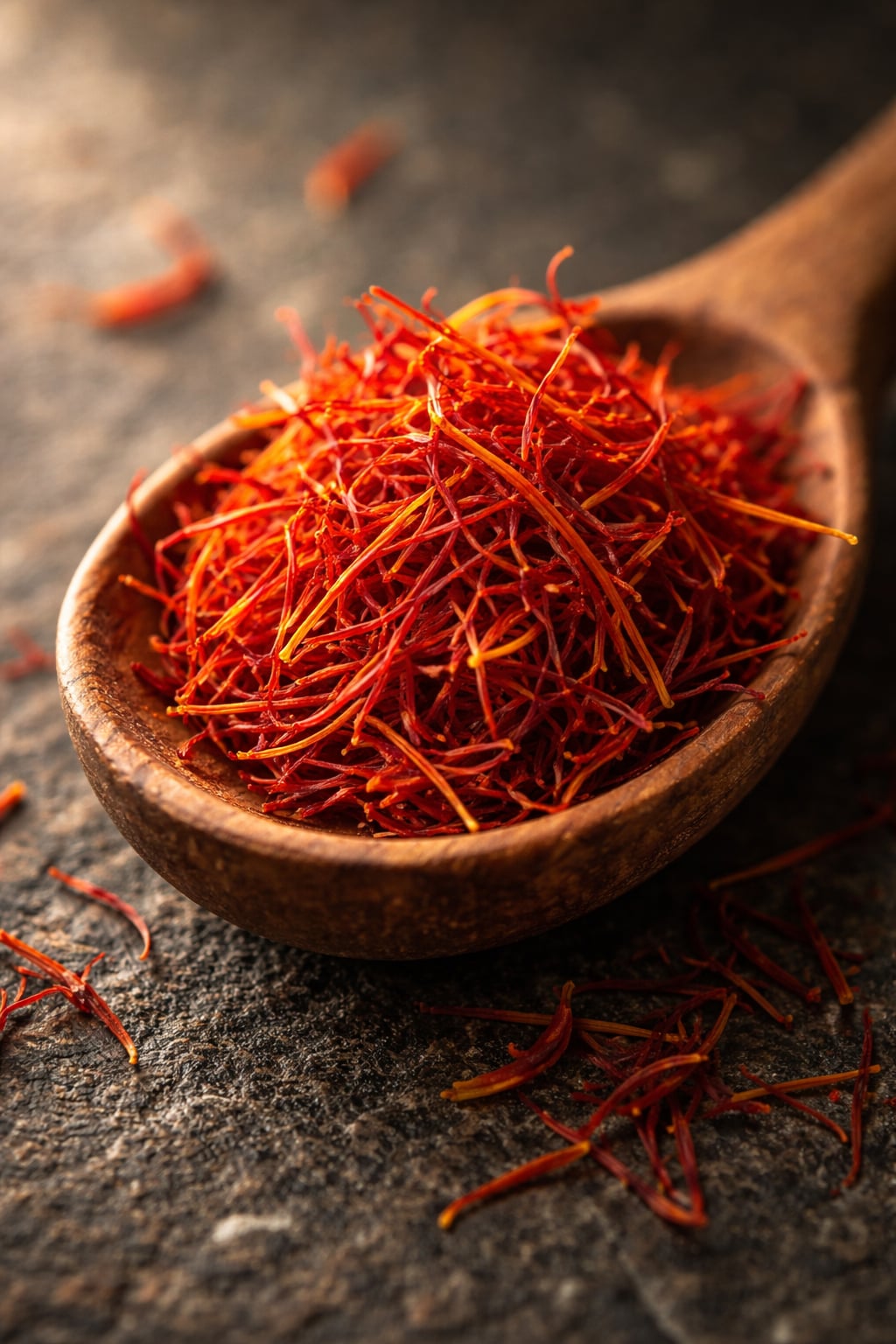
- Spices: cinnamon, ginger, black pepper, saffron, red pepper flakes (optional)
- 1 cup rice (or bulgur)
- Approximately 2 cups water
- Salt, olive oil
- Meat or fish products (optional)
Preparation
After washing efelek or chard thoroughly, it is softened by dipping briefly into boiling water and removing; it is a plant that softens very quickly, do not keep it in for long. If efelek leaves are long, they can be cut in half.
Onion is sautéed in oil; tomato paste, rice (or bulgur), and spices are added and mixed. It is left to cool slightly. Some stuffing is placed inside the leaves and rolled. A little olive oil and water are added on top, and it is cooked covered on high heat for the first five minutes, then on low heat. You can change the ingredient selection as you wish.