What is Zinc?
Zinc is a very important mineral that plays a role in the structure of over 200 enzymes involved in all bodily functions. It is necessary for the function of many hormones.
What are the Benefits of Zinc?
The mineral zinc is necessary for the immune system, wound healing, growth and development, hair growth, insulin production, sensory functions (sight, smell, taste), sexual functions, and fertility. Zinc is also extremely important in ensuring the proper growth and development of the fetus during pregnancy. Zinc requirements increase during pregnancy.
Zinc deficiency leads to susceptibility to infections. Its deficiency causes sugar and prostate problems. Weakening of hair and nails, decreased sense of taste, developmental delays in children, reduced mental capacity, loss of appetite, and acne problems are also among the issues that can arise from zinc deficiency. It is given as a supplement to help quickly overcome diseases like diarrhea and cholera and to replace lost minerals.
What are the Natural Sources of Zinc?
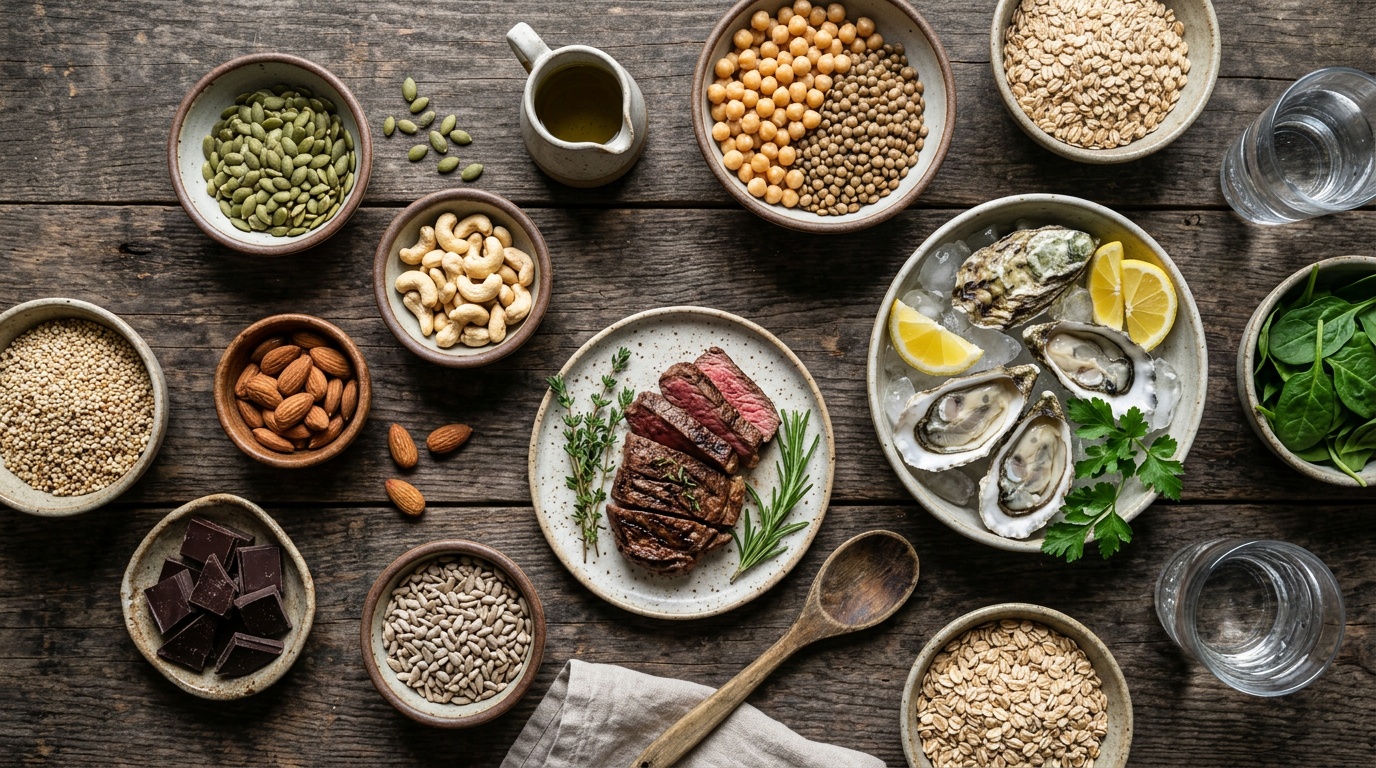
Zinc can be found in many of today's foods: oysters, meat, liver, wheat germ, pumpkin seeds, fig seeds, strawberry seeds, golden berry seeds, flax seeds, nettle seeds, rosehip seeds, grape seeds, sunflower seeds, all grains, almonds, and milk are among the primary sources.
How Should Zinc Be Consumed from Foods?
Zinc is generally found in seeds and kernels. If we swallow seeds without grinding them, we cannot digest them; unground seeds are excreted in feces. Fig seeds are the food richest in zinc, and strawberry seeds are similarly rich. When eating seeds, they should be crunched and thoroughly ground in the mouth before swallowing.
How is Zinc Deficiency Identified?
During intense and stressful periods, zinc needs increase; supplementation may be necessary. To understand when supplementation is needed, look at your nails: if there are white spots, it may be a sign of zinc deficiency. You can learn your zinc levels by getting a test. If you frequently catch colds and flu, have excessive hair loss, thick and dull skin, or if your children struggle with mathematical thinking activities, deficiency should be investigated.
Zinc deficiency is very common in vegetarian diets. This is due to phytates, composed of organic acids, found in high-grain vegetarian diets; these phytates bind zinc and make it unabsorbable. Therefore, it is recommended for vegetarians to use zinc supplements.
Daily Zinc Requirement
The daily zinc requirement is approximately 15 mg. It is not recommended to take more than 50 mg. For long-term use, a daily dose of 20 mg is recommended. Excessive amounts of calcium can negatively affect zinc absorption. Many multivitamins contain the daily allowable amount of zinc; a specialist doctor should decide whether supplementation is needed based on test results.