Sodium Mineral
Sodium plays a role in maintaining the body's water balance and in the passage of nutrients through the cell wall. It is also necessary for nerve and muscle functions to be carried out healthily.
Sodium Deficiency
Deficiency causes health problems such as fatigue and weakness, dizziness and headache, palpitations, low blood pressure, memory impairment and poor concentration, depression, nausea, and muscle cramps. Insufficient salt intake, consuming large amounts of water without salt intake, kidney diseases, burns, and the body losing salt through diarrhea, vomiting, and sweating are the main causes of sodium deficiency.
Sodium Excess and Harms
Normally, excess sodium in the body is removed from the body through urine and sweating. Nevertheless, if there is an excess of sodium in the body, high blood pressure, potassium loss, water retention in the body, and edema are observed. In case of sodium excess, potassium supplementation should be attempted to protect against harmful consequences that may arise from potassium deficiency. The most important causes of sodium excess can be listed as excessive consumption of salt and salty foods, i.e., foods containing large amounts of sodium, and insufficient water intake or an increase in the sodium ratio in the blood due to the body losing more water than sodium through diarrhea, sweating, and vomiting.
Foods Containing Sodium
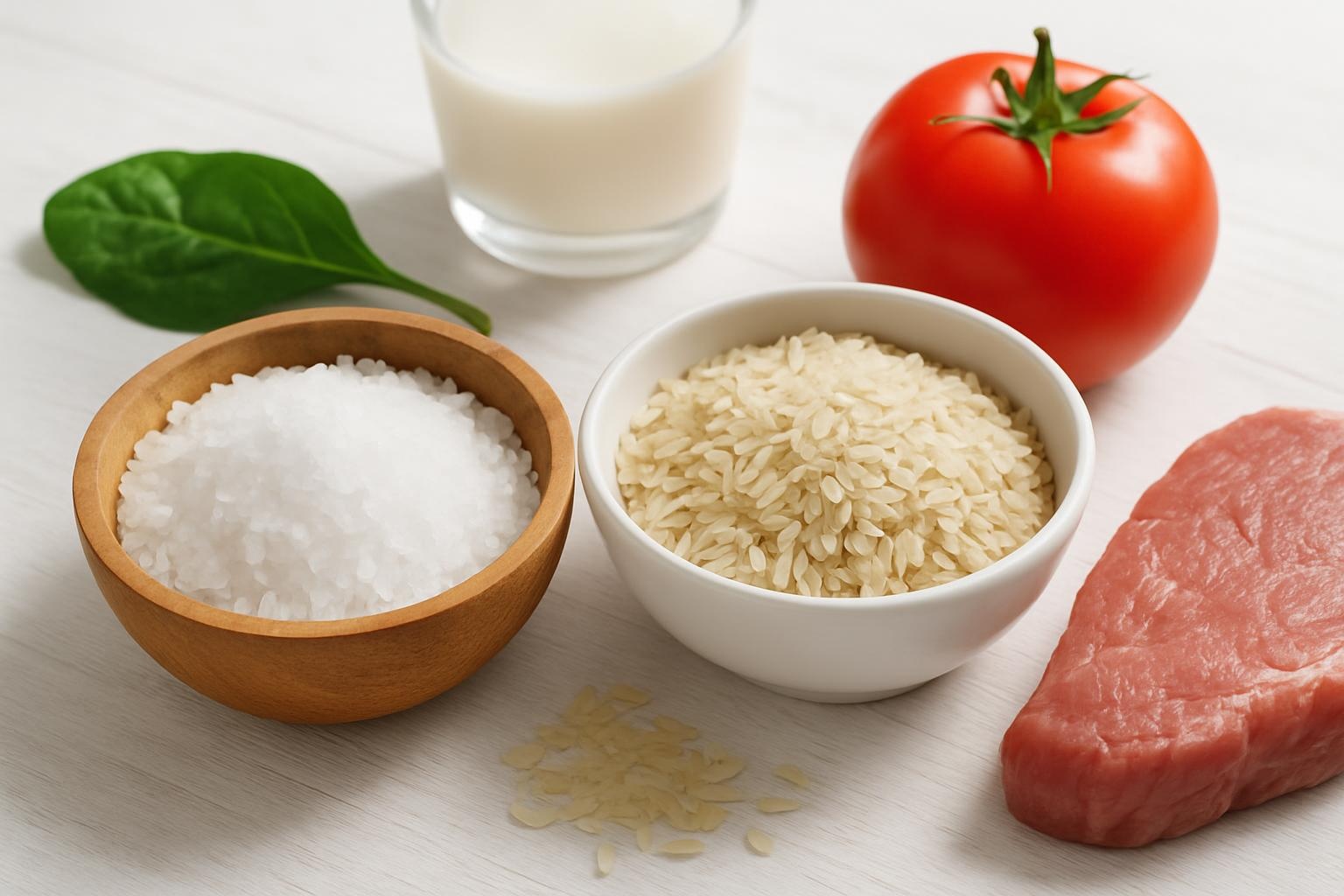
The main source of sodium is table salt. Additionally, mineral waters, seafood (especially anchovies), samphire, cheese, red and green peppers, hazelnuts, peanuts, walnuts, celery, and carrots are among the foods that contain abundant sodium. The water we drink meets a significant part of our daily need. Mineral waters contain abundant sodium.
Daily Sodium Requirement
The daily sodium requirement for a normal healthy adult is around 2-3 grams, and this amount of sodium can be obtained from 5 grams of salt. Under normal conditions, the sodium requirement is easily met, but in situations where the body loses excessive fluid and minerals, such as diarrhea, some salt should be taken with water to regain the lost sodium. Excessive sports and excessive sweating cause sodium loss; those who exercise need to consume plenty of water. The amount of sodium the body needs increases in pregnant women and decreases in patients with high blood pressure. Also, babies should not be given salt and salty foods until they are 1 year old. In fact, the amount of sodium in breast milk is created in the most ideal proportions for babies. The salt obtained from vegetables and fruits is sufficient to meet the daily salt intake. Adding salt after taking meals off the stove prevents excessive salt intake. Potatoes absorb a lot of salt while cooking.