
Nutritional Values
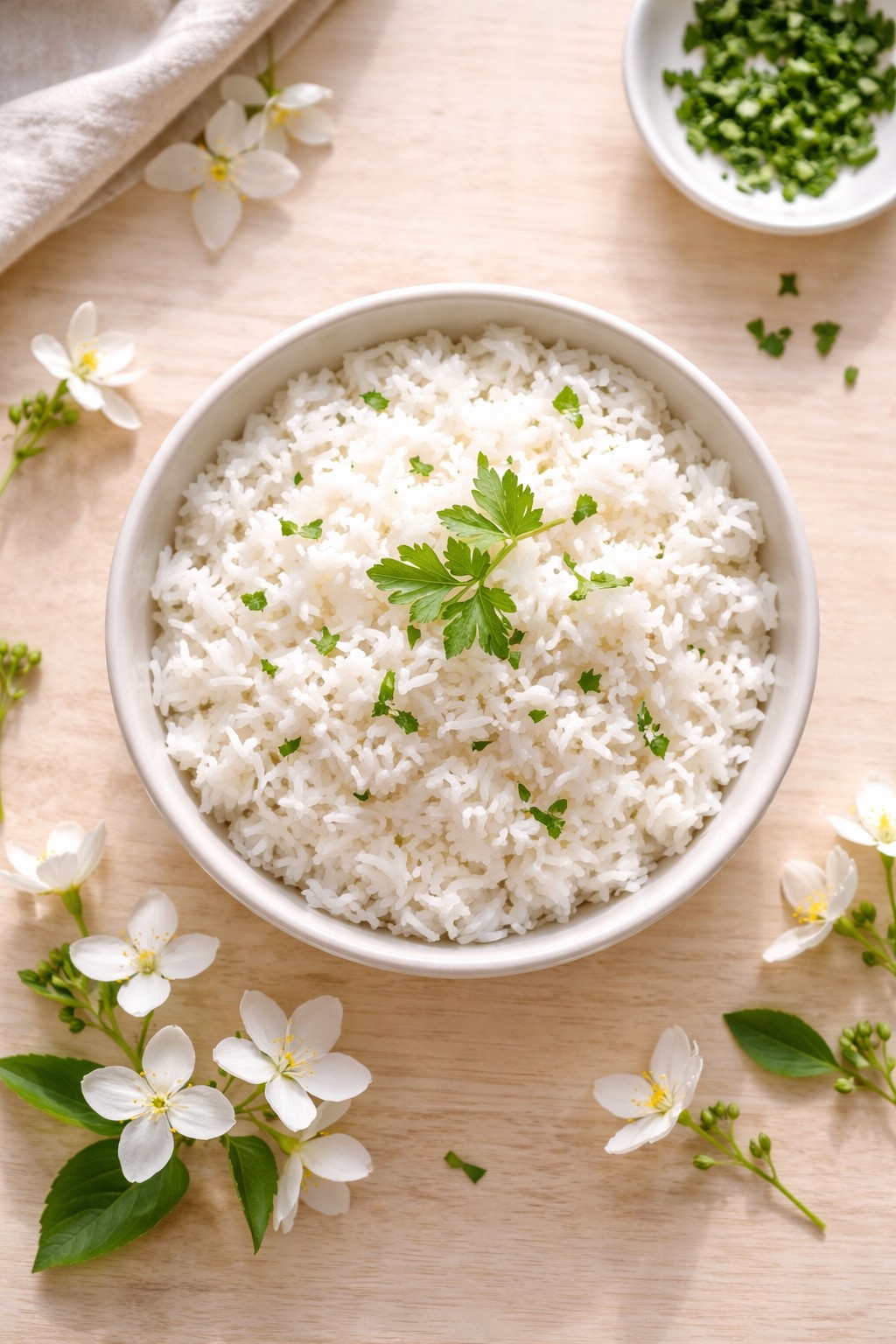
100 grams of uncooked rice contains 360 calories, 6.7 g protein, 78.9 g carbohydrates. Unpolished rice is more beneficial for health. Japanese people believe eating white rice in the evening is healthier. Chinese people consume 91 kilos of rice per person per year. That's 300 times more than Europeans.
Benefits for Our Health
Rice, which is the staple food for half of the world's population, is a valuable nutrient; Eating rice as porridge has been used traditionally for centuries to relieve diarrhea.
Rice is a food belonging to the grass family. The rice plant from which rice is obtained can grow in warm temperate regions and in almost any soil. It is the only cereal that grows in water.
The rice plant grows up to 80 cm in one year and each ear produces a flower with six stamens. Rice is the grains that mature after the fertilization of the flower.
Rice, which is not very rich in minerals, is quite valuable in terms of the vitamins it contains. It is one of the grasses with the highest carbohydrate value.
There are 5 types of rice: Baldo, whole grain, basmati, wild, and fragrant. Baldo rice is commonly used in Turkish cuisine. Baldo rice is odorless and absorbs very little water.
Apart from dishes like rice pilaf, stuffed vegetables, and soup, it is also used in making desserts like rice pudding. When rice is cooked with milk and vanilla, it increases sexual potency and the missing mineral value is increased.
- Lowers high blood pressure.
- Stabilizes blood sugar levels.
- Prevents kidney stone formation.
- Protects against colon cancer.
- Reduces the risk of cancer.
- Helps cleanse scaling skin due to psoriasis.
- Provides energy and strengthens the body.
- Provides mental clarity.
- Facilitates digestion.
- Stops diarrhea.
- Protects heart and vascular health.
- Good for the kidneys.
- Lowers cholesterol.
- Reduces the risk of heart attack.
American scientists state that one bowl of rice pilaf contains 40 mg of magnesium, which strengthens bones, but it should be cooked with olive oil.
According to a report by the British Daily Mail, a group of scientists analyzing fiber samples from black rice grown in the southern United States observed that it is very rich in anthocyanins, which give the product its color and provide cell renewal, i.e., antioxidant properties.
Dr. Zhimin Xu, part of the research team conducted by Louisiana State University, said that even just one spoonful of black rice bran contains less sugar but more anthocyanins than a spoonful of blueberries. Dr. Zhimin Xu noted that black rice, which once adorned the tables of rulers in its homeland China and is only now becoming more widespread in the world, is also rich in fiber and vitamin E.
Scientists emphasized that this product, thanks to the antioxidants that cleanse harmful molecules it contains, could help protect blood vessels and prevent DNA damage that leads to cancer.
Stabilizes blood sugar levels: That is, rice raises blood sugar a bit more than bread and potatoes. But rice intake provides a stable blood sugar level and a balanced energy source. This energy mobilizes diabetic patients and prevents them from gaining weight.
Rice prevents kidney stone formation: Recent research in Japan has shown that eating ten grams of rice bran twice a day prevents the formation of kidney stones.
Rice reduces the risk of the body getting cancer with the substances it contains: For this, rice bran intake is sufficient again. Brown rice is beneficial for scaling caused by psoriasis.
For those allergic to the gluten contained in bread, the rice option is due to rice being a starchy food.
Because of all these important effects that support our health, especially brown rice should be preferred. When cooking rice pilaf, lemon is squeezed to whiten it, and this process causes vitamin loss. To preserve rice bran, it should not be washed before cooking. When storing rice, it should be stored on high shelves and a bay leaf, walnut, or sage leaf should be kept in the cabinet. Rice water, when applied to the skin continuously, plumps the skin.