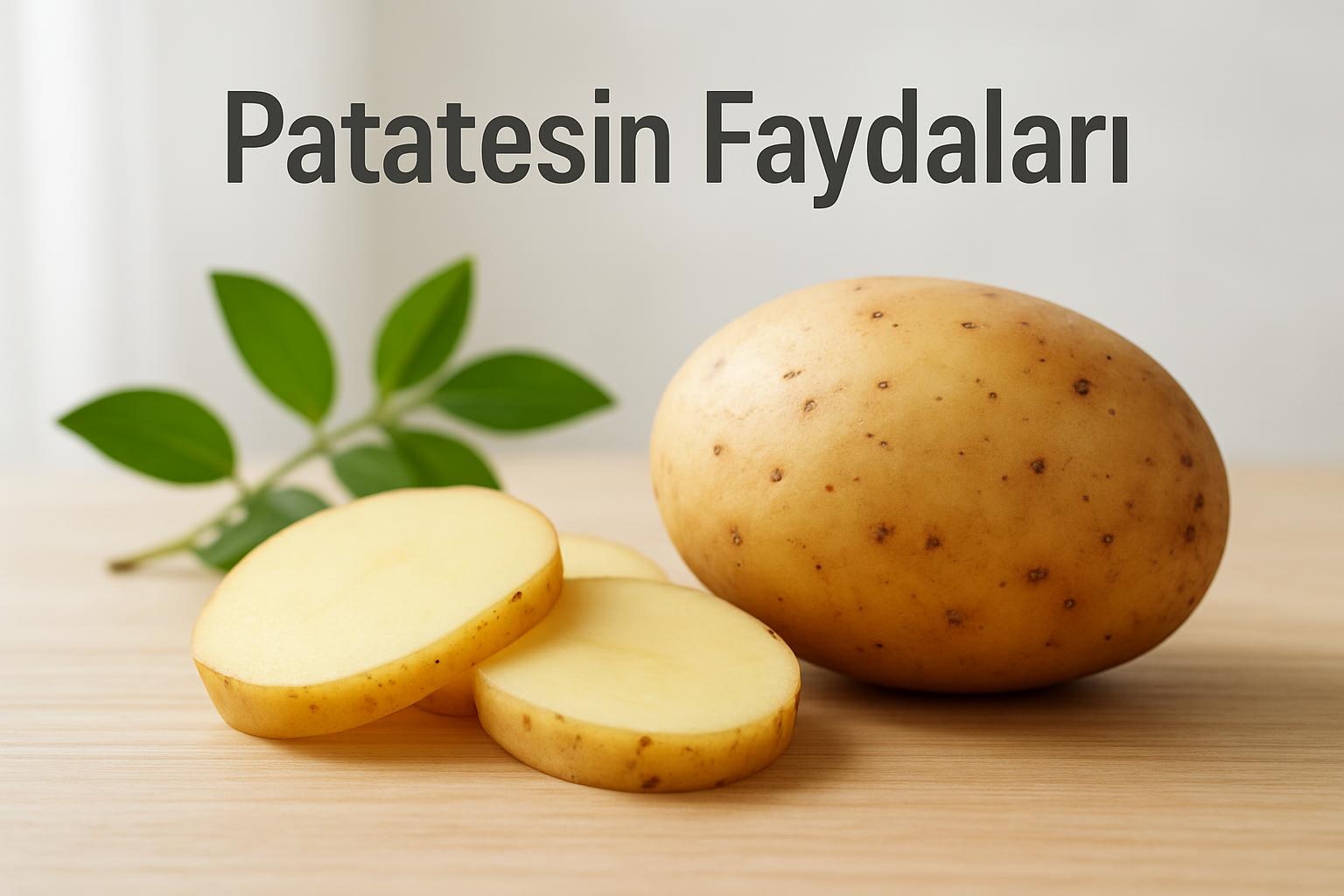
Unfortunately, humanity learned about the potato, the favorite food of tables, quite late in history. The Spanish first became acquainted with the potato from the South American natives; then a pirate named Drake brought the plant to Europe. The French initially cultivated the potato only as an ornamental plant to benefit from its flowers. Louis XVI and Marie Antoinette used to wear potato flowers on their attire at balls.
Nutritional Values
Potato is a food very rich in water, carbohydrates, mineral salts such as phosphorus, iron, manganese, copper, sodium, and calcium, and vitamins B1, B6, K, and PP. The B vitamin compounds in its structure regulate the nervous system; its selenium content scientifically supports its protective effect against cancer. A large portion of the vitamins and mineral salts are concentrated in the potato's skin; therefore, consuming it with the skin is the healthiest.
Benefits
- Stomach: Relieves stomach gas; it is like medicine against gastritis and ulcers. Heals gallbladder and liver inflammations. Good for hemorrhoids; does not harm diabetics.
- Water balance: Since it contains water in its structure, it also meets the body's water needs.
- Cancer: Austrian Dr. R. Bireuss has been using the potato as a natural remedy against cancer since 1950 and administers potato cures to cancer patients.
- Sexual potency: Thanks to the phosphorus in its structure, it increases sexual potency. Italians call the potato "the radiator of the love bed."
- Blood purification: Cleanses the blood of toxins and renews cells against chemical residues from air pollution, radiation, industrial and agricultural pesticides.
- Skin: Manganese is a friend to women's skin; it gives skin firmness through creams and masks. Potato skins absorb and balance excess oil on the skin. With its selenium and natural silicate content, it is skin-friendly.
- Energy: Provides energy; those who work in heavy jobs feel less fatigue thanks to potatoes.
- Hand and foot cracks: Beneficial both when applied externally and consumed as food.
- Wounds: One tablespoon of freshly squeezed potato juice is good for all wounds and stomach ulcers.
- Intestines: Prevents and expels the formation of intestinal worms.
Benefits Discovered in Recent Research
- Protects joint health and lubrication; determined to be more beneficial than glucosamine tablets (no allergen risk).
- Prevents collagen tissue damage caused by aging and hormonal imbalance; strengthens muscles.
- With its B vitamin property, it offers a more effective and healthy solution for neural pain than medications.
- Alleviates rheumatic pains; protects joint health with its silicate content.
- Prevents weakening of hip muscles and shrinking of the buttocks after menopause; provides youthfulness and vigor.
- Beneficial for osteoporosis with its calcium content; meets the mineral-vitamin needs in children's development and adolescence.
How to Select?
- There are two types of potatoes: those with yellow flesh and those with flesh tinged green. The green-tinged flesh is used as animal feed in Europe. Potatoes that have turned green or sprouted at home are harmful to health due to the solanine substance; they should not be consumed.
- The desirable potato is the one with white flesh when fresh and yellow when not stored.
- Gently scrape the skin with your fingernail: if the inside is yellow, it is both tasty and durable.
How to Prepare and Eat?
- Wash the potato very well; since it grows underground, it comes into contact with dirty and germ-laden water. If it will be used with the skin, it should be scrubbed.
- The skin should not be peeled thickly; preparing it without using a knife is best. A large portion of the vitamins and mineral salts are concentrated in the skin.
- Soaking in vinegar water for a while after washing removes all germs; then consuming it with the skin is ideal.
- Do not leave peeled potatoes in water for a long time before cooking; mineral salts and vitamin K pass into the water and are sensitive to light and oxygen.
- If boiling, choose potatoes of the same size; this both speeds up cooking and prevents vitamin loss. To preserve vitamins, put them into vigorously boiling water or a high-heat oven and then reduce the temperature.
- Consume the cooked dish within 24 hours, do not let it sit longer.
How to Store?
- Store in dim and cool places; vitamins B1 and K are sensitive to light.
- To test durability, put a few potatoes into boiling vinegar water: those that remain white in the water are durable, those that turn blackish are not. Non-durable potatoes should be consumed without storage; otherwise, they will sprout.