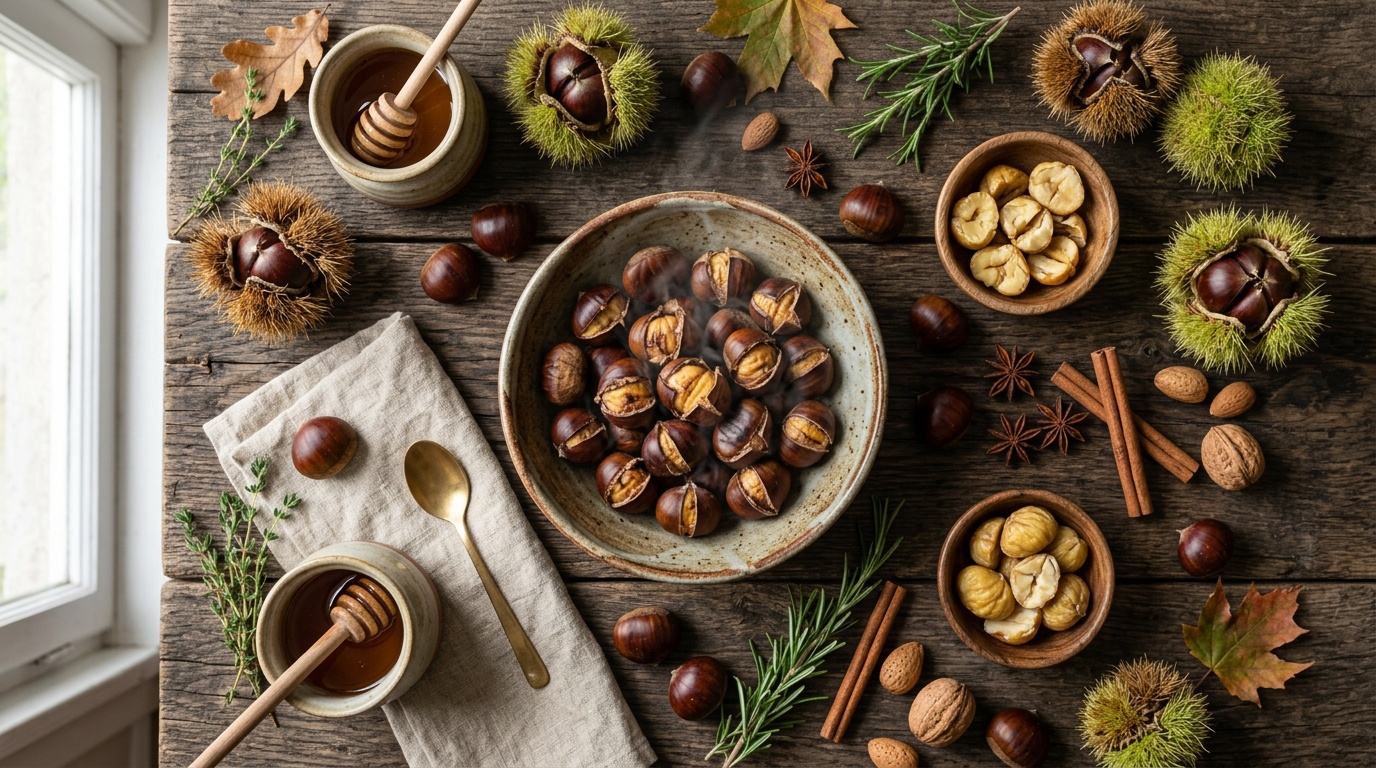
Chestnuts have been known as the "love potion" since Ancient Times; it is claimed to prolong life. In ancient times, it was the first fruit transformed into a dessert by being dipped in honey and eaten. As it was considered sacred in ancient times, it became an indispensable flavor of the great feasts held in palaces. Because it was believed that chestnut leaves distributed justice, the chestnut tree became the symbol of cities.
Chestnuts were once indispensable in the winter months; they were especially wonderful over a stove. With the transition to radiator heating systems, chips harmful to health began to replace chestnuts. We usually consume chestnuts not for their benefits, but because we love them; but while consuming them, we must not forget their benefits anymore.
Vitamin and Mineral Source of Winter Months
Chestnut, a food with a high calorie value, is very rich in vitamins B1, B2, and C. It contains abundant fat, water, protids, lipids, glucides (starch), copper, manganese, and protein. It also contains the minerals potassium, phosphorus, magnesium, chlorine, calcium, iron, and sodium. Eating 100 grams of chestnuts provides 250 calories.
Benefits of Chestnuts
- It is a valuable energy source for children, young people, and the elderly.
- If boiled chestnut puree mixed with honey is given to children with poor appetite, their vitamin and mineral needs are met naturally.
- Its rich potassium content sharpens the mind; phosphorus contributes to eye health development.
- With its B vitamin content, it helps with the troubles of adolescence.
- It has nerve-calming properties for migraine sufferers and those in pain.
- It is the remedy for excessive cold in winter months; it warms by giving energy to the body.
- It gives strength and energy to the body, increases sexual power.
- It relieves physical and mental fatigue, speeds up the recovery of patients.
- It lowers the cholesterol level in the blood, regulates and accelerates blood circulation.
- It is good for scurvy disease; strengthens the muscular and nervous systems.
- It gives strength to athletes and heavy laborers; it is an energy source for those with low immune systems.
- It heals winter depression and nervous diseases.
- It reduces complaints of varicose veins and hemorrhoids; it is beneficial for the liver and stomach.
- It stops diarrhea.
How to Use Chestnuts?
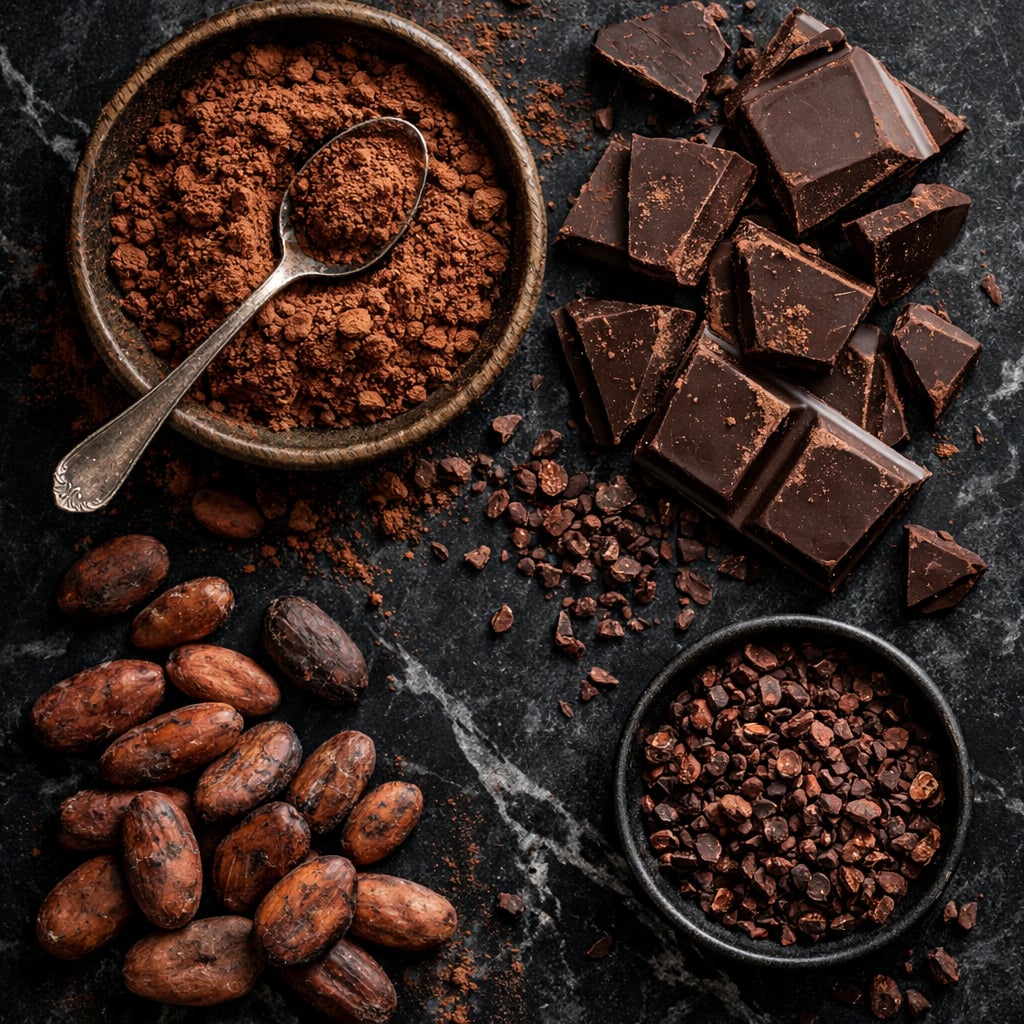
Chestnuts can be eaten fresh, or consumed by boiling or roasting. Before boiling, their surfaces should be scored with a knife. They can be added to rice pilaf, lamb meat, and turkey meat; they also pair well with potato, carrot, and celery dishes. Boiled chestnuts can be added to cakes and pastries, or sweets can be made with sauces and fruit mixtures. They pair perfectly with banana, apple, honey, and chocolate. Warning: Not recommended for those with high blood pressure, arteriosclerosis, and diabetes complaints.
The shell and leaves of the chestnut are also used: if the shell is boiled and its water is drunk, it calms the nerves and reduces fever.
How to Store?
To store chestnuts for a long time, chestnuts collected from the tree are placed in pools filled with cold water and left for about 20 hours. Then, they are left in the sun for a few days to completely release the water they absorbed, and finally buried in dry sand. It is observed that chestnuts taken out of the sand almost a year later retain the flavor of the first day.