Functions of the Liver
Our liver is the heaviest organ in our body; its approximate weight is 1350 grams. It is located in the upper right part of our abdomen, under our lower ribs. It is connected to the small intestines via bile ducts. The bile produced in the liver is carried to the intestines through these ducts.
The liver works almost like a chemical factory. Among the liver's functions are the production of proteins, bile, blood clotting factors, and over a thousand enzymes. Additionally, cholesterol metabolism, maintaining blood sugar levels within the normal range, regulation of some hormones, and the detoxification (purification) of drugs including alcohol and toxic substances are all among the liver's functions. Since the liver's main task is to process the nutrients it receives through the blood, its structure must be suitable for retaining blood. Indeed, the liver also has a spongy structure. In fact, 800-900 grams of the total blood in the human body is always absorbed by the liver.
- It secretes approximately 4 glasses (1.50kg) of bile per day.
- It regulates fat, protein, and sugar metabolism.
- It regulates the body's temperature.
- It produces water for the body.
- It stores fat, protein, sugar, and substances necessary for blood production.
- It regulates the amount of sugar in the blood.
- It produces prothrombin and fibrinogen, which play a role in clotting.
- It influences the functions of hormones.
- It breaks down old red blood cells and ensures the production of blood cells during the embryonic period.
- It stores excess glucose in the blood as glycogen.
- It stores vitamins D, B, A, and K (which is synthesized in the intestines and plays a role in blood clotting), as well as iron, calcium, copper, protein, and fats. It synthesizes vitamin A from carotene.
- It destroys excess sex hormones.
- It plays a role in lymph production. It produces a significant portion of antibodies.
If the liver becomes unable to perform any of the functions mentioned above, various diseases emerge. The most important of these are liver failure, liver inflammation, liver cirrhosis, gallbladder inflammation, and gallstones.
Enemies of the Liver
For liver health, one should first rid oneself of enemies, then make an effort for its health.
- The liver's biggest enemy is alcohol.
- Cigarette consumption.
- Flour, sugar, and excessive salt and acidic foods.
- Hair dyes, low-quality and additive-containing makeup products used.
- Refined foods, fried foods, food additives, sugary foods, food colorings.
- Excessive consumption of tea, cola, coffee.
- Agricultural residues on foods.
- Spray paints.
- Canned goods, smoked prepared meats; pastrami, sausage, salami.
- Medications used, especially cholesterol-lowering drugs, stomach medicines, antibiotics.
- Reiki.
- Unprotected sexual intercourse.
- Dirty water.
- High-cholesterol foods, solid fats.
- Spices, spicy, sour, pickled, acidic foods.
- Hot foods and milk.
- Excessive consumption of herbal teas.
- Diet (losing more than 1.5 kg per month causes cancer).
- Over-the-counter medications and the combined use of some drugs.
Detoxification of our body from toxins is among the liver's functions. The more harmful toxic substances we take in, the more we increase the liver's burden. Remember, everything we eat and drink passes through our liver. In fact, everything is harmful to the liver. Some foods cause less harm.
We Need to Pay Attention to Four Basic Groups in Our Nutrition
- Meat, fish, and poultry: Contains protein, vitamin A, iron, vitamin B12, B1, fiber.
- Bread and cereal products: Contains carbohydrates, B vitamins, iron, fiber.
- Fruits and vegetables: Contains vitamin A, C, iron, fiber, and folate.
- Milk and dairy products: Contains calcium and vitamins A, B, D.
For healthy living, even if macronutrients like proteins, fats, carbohydrates, and table salt, which are the four main components of food, are consumed in pure form and enter the body in sufficient quantities, they cannot maintain a healthy state. Along with these, it is necessary to also take vitamins and essential minerals such as iron, zinc, copper, iodine, chromium, magnesium, manganese, molybdenum, vanadium, and silicon.
Symptoms of Liver Disease
- The patient feels pain in the right flank.
- There is a large amount of gas in the intestines.
- The abdomen swells, gas exiting the anus smells foul.
- Skin color and sometimes the whites of the eyes turn yellow.
- Long-lasting skin itching.
- Freckle-like spots appear on the face and hands.
- Complains of indigestion.
- Feels a coating on the tongue and bitterness in the mouth in the morning.
- Breath also smells. Feels pain in the neck in the morning hours.
- There is palpitation, loss of appetite.
- The color of urine is yellow and dark in the morning, and clear and light in later hours.
- Frequent urination.
- Calf muscles ache.
- Swelling is seen in hands and feet. Does not want to sleep at night.
- Vision and hearing senses also weaken.
Alternative Solutions to Protect Liver Health
Reishi mushroom, known as the immortality mushroom, is also known to be harmful. Vitamin B intake is very important against stress. If foods are prepared appropriately, B vitamins are partially lost. In incorrect preparation and storage, they are lost in large proportions.
It has been confirmed by Cancer Research Hospitals that kiwi and cherry are beneficial in liver cancer. Those who use alcohol should be careful about their intake of vitamins K and A. In hepatitis, olive leaf and 50 grams of peanuts mixed with goat's milk are beneficial.
Liver diseases have various causes and types. In cirrhosis, for example, there are foods that should not be used. Weight must be lost in a healthy manner.
The best thing to protect liver health is walking in the open air for at least 1 hour. High-fiber foods and white meat should be preferred. In our country, many people lose their liver health due to poisonous mushrooms. Wild mushrooms should not be consumed.
The liver is an organ that should be kept cool; this area should not be heated by giving reiki or energy. Applying an ice compress on the liver is more beneficial. Cold drinks are also beneficial for the liver.
Liver-Friendly Foods
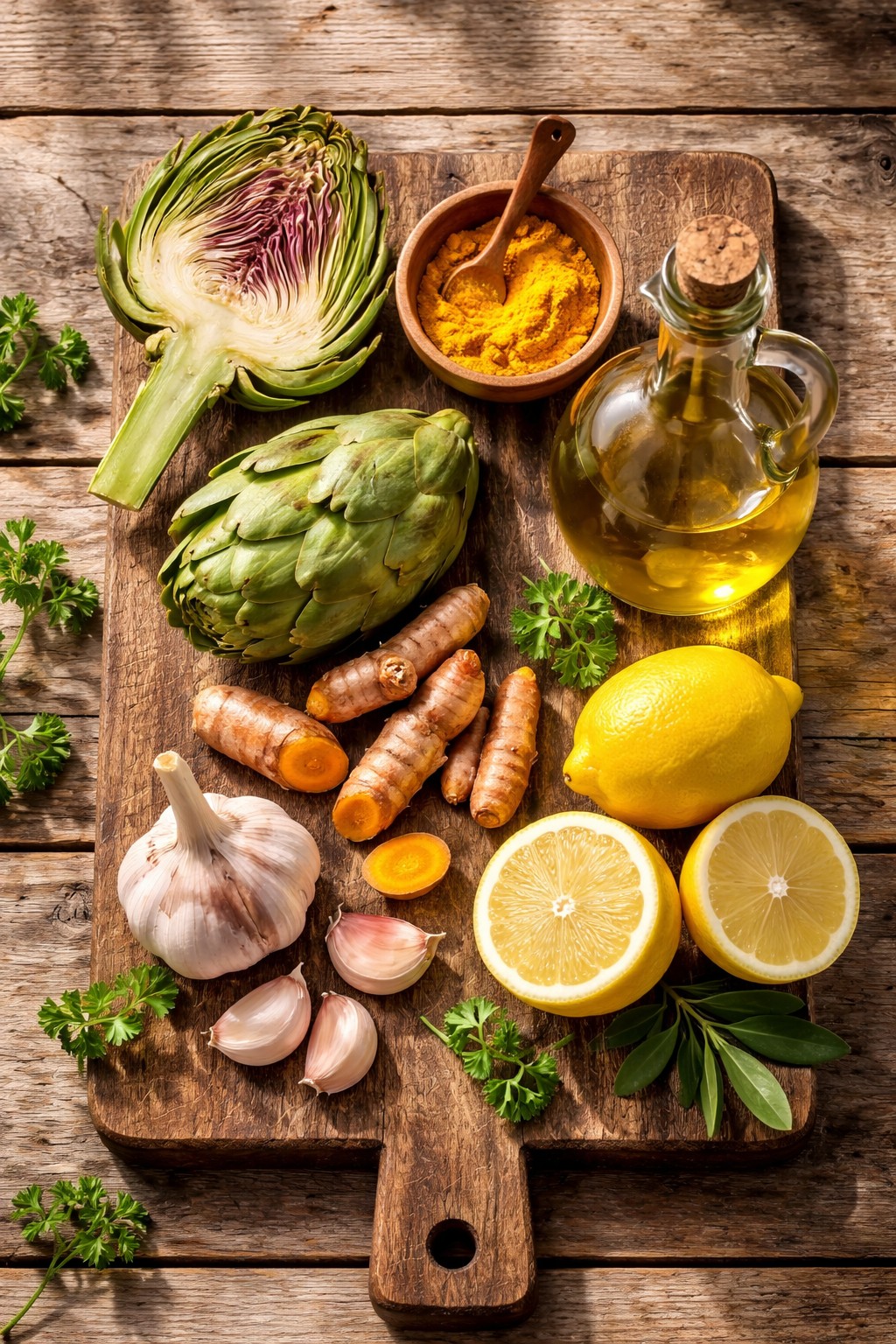
The liver's friends are artichoke and milk thistle, ginger, chicory. Artichoke should be consumed fresh. Artichoke is in the same group as May chamomile. Those allergic to this group should not consume it. Its leaves are also beneficial for liver health. Tablet form is not recommended for pregnant women and those under 12 years old. Personal allergies to foods should be monitored.
Carrot is also healthy, but drinking a glass of carrot juice a day is harmful. Celery is both helpful for weight loss and beneficial for liver health.
Among fruits, acidic ones like orange, lemon, strawberry should not be consumed excessively. Cherry is a friend of the liver. Fruits like grapes, pear, quince, apple, blackthorn plum, blackberry should be preferred. If you have liver disease, make compote with mixed fruits and consume it without sugar. Consult your doctor.
Yogurt should be preferred instead of milk. Among cheeses, goat cheese can be consumed in moderation. Ginger has been used for centuries to detoxify the liver.
Among vegetables, broccoli, artichoke, celery, parsley, red beet are foods good for the liver. Artichoke should be cooked with its leaves or its leaves should be boiled over low heat at 50 degrees to obtain tea and drunk. Herbal teas should not be consumed excessively to avoid tiring the liver. Using herbs together with medications is not correct. Green tea is beneficial for toxin removal and as a cancer preventive.
- Olive Leaf: Even more effective than antibiotics against the HIV virus.
- Melon: Melon cleanses the body, relieves liver fatigue.
- Licorice Root: Among the beneficial plants for the liver. 6 root sticks should be placed in 1.5 liters of cold water, left in the refrigerator for one day, and at least one glass of this water should be drunk daily.
- Grape Seed: For itching originating from the liver and has high antioxidant value.
Lavender and rosemary tea are beneficial for the liver. Should not be consumed excessively. Chickpeas are among the legumes that do not harm the liver.