Black Pepper Benefits and Nutritional Values
Black Pepper Nutritional Values (per 100g)
Mineral Values
- Calories: 279 kcal
- Energy: 1167.3 kJ
- Protein: 11 g
- Carbohydrates: 52 g
- Fat: 3 g
- Cholesterol: 0 mg
- Fiber: 13.1 g
- Vitamins:
- Vitamin A: 19 µg
- Vitamin D: 0 µg
- Vitamin E: 0 mg
- Vitamin K: 0 µg
- Vitamin B1: 0.1 mg
- Vitamin B2: 0.2 mg
- Vitamin B3: 3.1 mg
- Vitamin B5: 0.5 mg
- Vitamin B6: 0.2 mg
- Biotin: 10 µg
- Vitamin B9: 50 µg
- Vitamin B12: 0 µg
- Vitamin C: 5 mg
- Mineral Values:
- Sodium: 44 mg
- Potassium: 1260 mg
- Calcium: 437 mg
- Magnesium: 194 mg
- Phosphorus: 173 mg
- Iron: 28.9 mg
- Zinc: 1.4 mg
- Copper: 1 mg
- Manganese: 5 mg
- Fluoride: 0.1 mg
- Iodine: 5 µg Other Names: Piper nigrum, Black Pepper, Poivre, Pfeffer
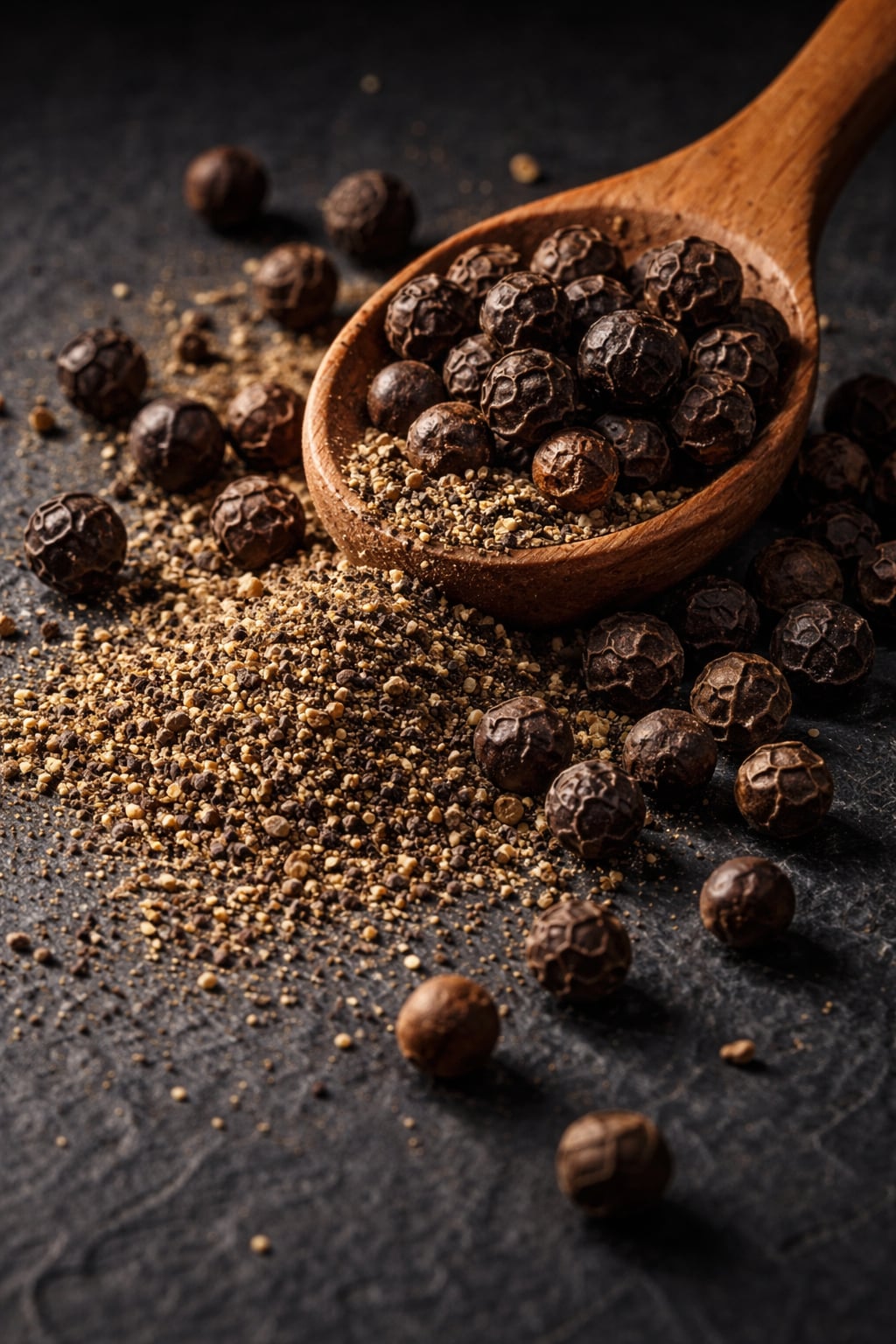
- Black Pepper: A non-deciduous climbing plant of the class Dicotyledons, family Piperaceae, native to East India. Its leaves are heart-shaped and veined. Its flowers are drooping. Its fruits are small, round and stalkless. White pepper: Black pepper and white pepper are fruits of the same tree. However, black pepper is picked before it fully ripens, and the husk remains around the seed. White pepper, on the other hand, is picked after it has fully ripened and the surrounding husk is removed. White pepper is soaked in sea water to remove the husk. The characteristic of white pepper is that, unlike black pepper, it does not discolour sauces; its taste and smell are like black pepper. It is harvested in December–January and July–August.
- Growing Regions: India, Malaysia, Asia, Indochina, Indonesia
Nutritional Values
- Benefits of Black Pepper: It affects the pancreas to aid the digestion of fatty and starchy foods. It regulates the amount of these substances that accumulate in the body. It stops the progression of diabetes.
- It regulates the digestive system. It is good for the prostate and acts as a diuretic. It stimulates appetite and provides energy. It has an aphrodisiac effect. It is ideal for anaemia. It warms the stomach.
- It stimulates appetite.
- It facilitates digestion.
- It kills germs in the stomach and intestines.
- It relieves gas and prevents gas build-up.
- When chewed as whole peppercorns in the mouth, it increases saliva production.
- It strengthens the nerves. It stops diarrhoea.
- It is used as a spice in food.
- Warning: The amount of black pepper consumed per day should be around 2–3 grams. Consuming too much irritates the digestive system; in particular, large pieces can cause ulcers. Patients with stomach problems can add whole peppercorns to the pot while cooking to reduce the harm. Those suffering from arteriosclerosis, high blood pressure, eczema, uraemia, intestinal inflammation and rheumatism should use it as little as possible. Those who consume too much may experience temporary tongue stiffness.
- Additionally, a paste made with honey and onion applied to areas of hair loss can help combat hair loss. Mixed with honey and lemon and consumed as a drink, it soothes coughs. Placed between wool or cotton and applied to areas of fractures or incubation pain, its warming effect is beneficial. It is also sold in tablet form against hair loss.