Benefits of Onion
Friedrich Schiller (1759 – 1805) says that the onion, which today we are content merely to chop, is both a spice and a vegetable, and describes its use and nobility throughout history.
The use of onion for healing purposes in folk medicine is based on thousands of years of experience. Its use against diseases stems from some effective substances it contains. These have been expressed by being written on papyrus papers or stones. It invigorates your body by ensuring the balanced functioning of hormones, increases endurance, delays aging, and at the same time ensures the strength of bones, teeth, and blood vessels, disinfects the liver, and purifies it from poison.
It is stated that onion, among the "indispensable" vegetables of our kitchens, aids in the treatment of many diseases. Onion has been used in alternative medicine for the treatment of numerous diseases for 6000 years. Many of the properties written in old healing books have also been confirmed by scientific research conducted today. To benefit from this healing power of onion, it must be consumed raw and fresh.
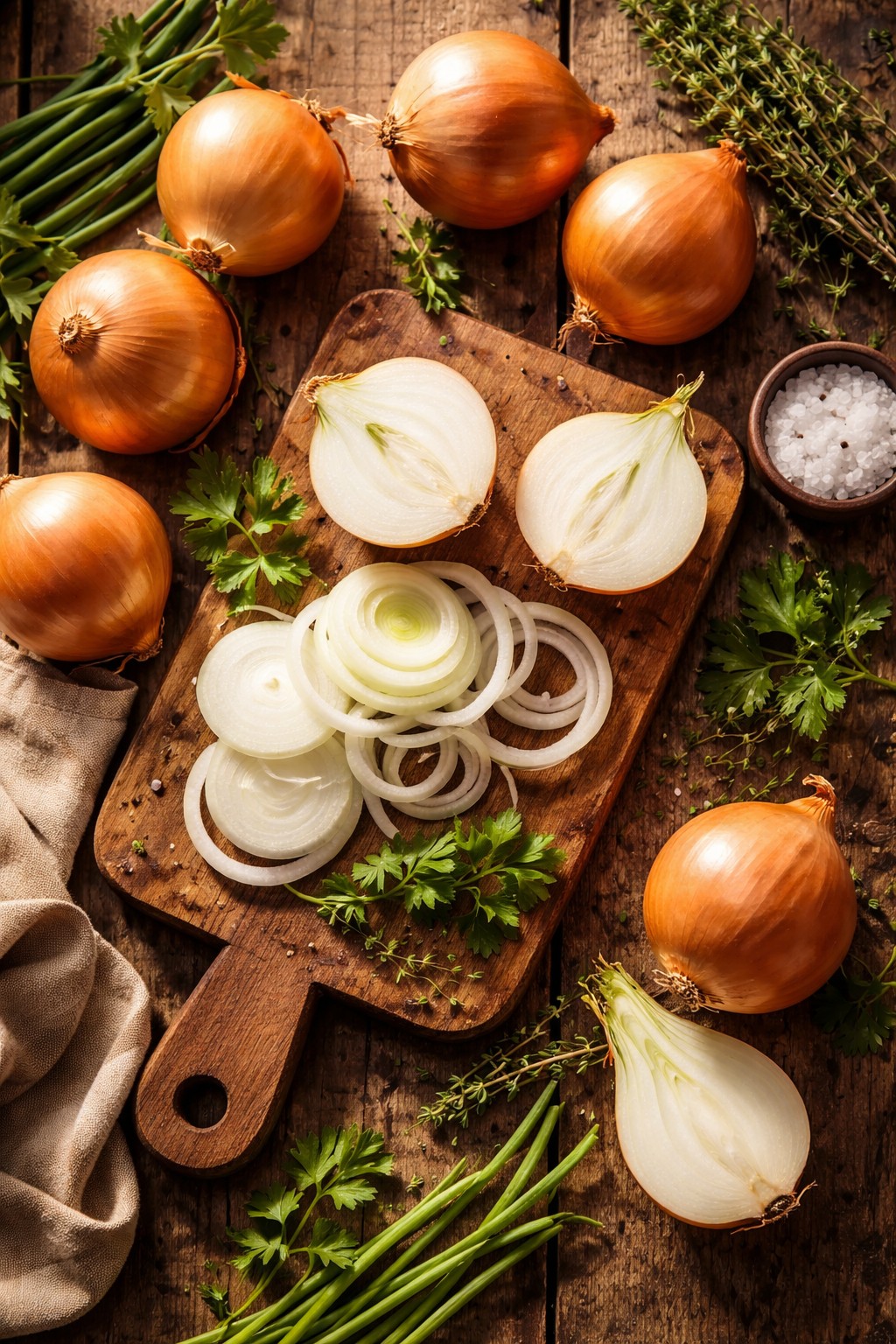
Among the products from the onion family are onion, shallot, garlic, chives, and leek.
Because it is difficult to digest, those with intolerance and stomach patients should consume it cooked. Its composition contains; volatile and fixed oils, sugars, enzymes and amino acids, vitamins A, B1, B2, C, E, K, H, P, quercetin, sulfur, and iodine. Onion has countless benefits for the human body; due to the sulfoxide it carries, it shows antibiotic effect.
Although the treatment properties against diseases are almost the same for all types of onion, green onion and purple onion show more successful effects in some diseases. Due to its germicidal property, it helps in the treatment of lung diseases, flu, and colds. It increases the body's resistance. It relieves cough, cleanses the bronchi.
To obtain the desired benefit from onion, it must be used correctly. Onion should never be peeled or broken into small pieces before the time of use. When peeled and cut onions come into contact with air, some of the therapeutic substances they contain are lost. It should be chopped with a sharp knife, or even, as our ancestors did, consumed raw with meals by breaking it apart without cutting.
Areas of Use
- Onion has benefits for the heart; it lowers cholesterol, dilates coronary vessels, relieves heart palpitations, and helps cleanse the blood.
- To stop nosebleeds, the onion bulb is cut in half, and half is tied in front of the nose.
- For earaches, it is divided into two pieces and placed on the aching ear to provide treatment.
- Onion has an appetite-stimulating property because it has a stimulating effect on the secretion of the glands in the gastric mucosa.
- To expel intestinal parasites in children, one teaspoon of onion juice should be drunk on an empty stomach three times a day before meals.
- For abdominal pains and stomach bleeding, very finely chopped onion is boiled in milk and drunk.
- Against gas formation in the stomach and intestines and also against stomach and throat burning, finely chopped purple onion is eaten with bread.
- Onion juice is used against swelling in the feet, legs, abdomen, chest, and hands.
- For throat inflammation, beautifying the voice, nervous disorders, cough, bronchitis, and sore throat, it is recommended to eat onion juice mixed with honey.
- To destroy corns, purple onion boiled in vinegar is placed on the corn and tied.
- For urinary tract pains, freshly cut and heated onion is placed on the painful area.
- For cold sores on the lips, cut purple onion juice is rubbed onto the lips by massaging.
- Onion should be stored separately from potatoes, in a dry and cool place.
- It is said that the tear-inducing property of onion is beneficial for sensitivity in the eyes and dryness of tears.
- It has a mild laxative effect. Because it is rich in vitamin C, it strengthens the body's defense system.
- It is effective in overcoming colds and reducing high fever.
- It is healing for insect and bee stings. It helps boils come to a head, its juice is beneficial for pimples.
- It has been reported to be beneficial against hormonal changes and cysts during menopause.
- There are studies suggesting it helps reduce the risk of prostate cancer.
- As a natural antibiotic, it has been traditionally used for mouth sores, throat infections, and intestinal diseases.
- It is also said to be used for problems arising from nail loss and nail-biting issues.
Side Effects of Onion
It causes discomfort in sensitive stomachs and stomach ulcers. Excessive onion consumption, especially during exam periods, is not recommended. It is known to lower blood sugar, making learning difficult. Hypoglycemia patients should also consume it carefully. Sprouted onions should not be consumed.