
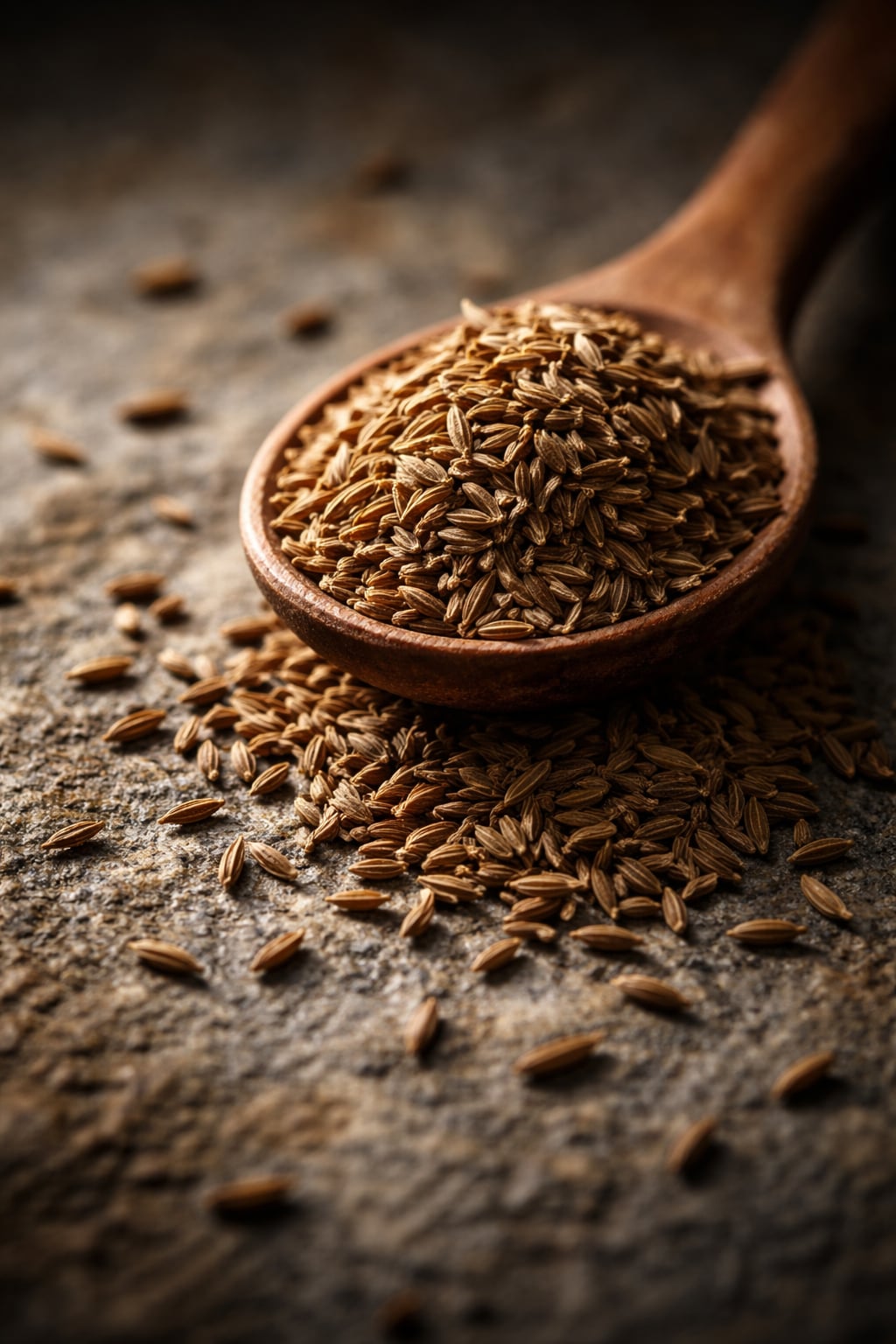
Natural Antidepressant Cumin
Cumin was used most by the Romans. Cumin is the most harmless known sedative. As with all foods and plants, it may cause discomfort to some people.
Cumin And Its Benefits
Cumin is among the spices known for their beneficial effects on the body and used since ancient times.
- Cumin is antimicrobial.
- It is beneficial for the stomach, stimulates appetite, and aids digestion.
- It relieves gas in the stomach and intestines.
- It has a diarrhea-relieving effect.
- It can be used as a diuretic.
- It has a nerve-stimulating effect.
- Its diaphoretic (sweat-inducing) property is also known.
- It is beneficial for the liver, provided it is not consumed excessively. Its calming effects prevent premature graying of hair.
To benefit from these effects of cumin, the flower umbels of the cumin plant are cut in the summer before they are fully mature. The collected flower umbels are dried in a shady and airy place; they are turned upside down and shaken over a cloth spread on the ground.
For the mature seeds collected this way or cumin seeds purchased from herbalists, 1-2 teaspoons are poured over with 1 cup of boiling water, the container is covered, and it is steeped for 10-15 minutes. Of the resulting tea, one cup is drunk twice a day, before morning and evening meals. Un-ground cumin can also be consumed by chewing during smoking cessation. Cumin should not be boiled before drinking.
Harmful Effects of Cumin
It is not highly recommended for pregnant and breastfeeding mothers. In some constitutions, it shows opposite effects and causes bloating. In such cases, it should not be used; you should test yourself to see if it affects you.