What Are Antioxidants?
Antioxidants are chemical substances that are produced by the body's cells as well as obtained through foods. During the process where the nutrients we consume burn and convert into energy in the body, toxic substances called "free radicals" are released — smoking, air pollution, exhaust fumes, UV rays, viruses, and alcohol also lead to free radical formation. A significant portion of these free radicals is expelled through the intestines, kidneys, sweat glands, and lungs. However, those that cannot be expelled adhere to cell membranes, leading to wear, aging, and even damaging DNA, acquiring carcinogenic properties. Increased oxidation also harms the immune system, weakening the body's resistance; oxidized fats are a significant factor in the formation of arteriosclerosis. There is also a close relationship between oxidation and aging. The rusting of iron and the death of fish when taken out of water are everyday examples of the harmful effects of oxygen. Antioxidants act against these free radicals, preventing them from causing damage. Vitamins E and C, along with beta carotenes, are powerful antioxidants.
Main Antioxidants
- Lycopene: Found in tomatoes, watermelon, cherries, blueberries, blackberries, prunes, pink grapefruit, apricots, red bell peppers, and tomato/pepper paste prepared in the sun. There are reliable studies showing it is effective in protecting against colon, breast, and prostate cancer. It is a fat-soluble natural antioxidant.
- Lutein: This carotenoid, found in carrots, spinach, tomatoes, kiwi, cucumbers, and peppers; delays aging and increases resistance to age-related vision problems.
- Selenium: A powerful antioxidant; protects cells and prevents prostate cancer. Found abundantly in potatoes, eggs, sunflower seeds, bread, and nuts like hazelnuts and peanuts.
- Catechin: This powerful antioxidant found in tea; studies show it is effective against cardiovascular diseases and cancer.
- Quercetin: A natural antioxidant found in apples, onions, and many summer vegetables. Strengthens the body's defense against cancer and cardiovascular diseases.
- Resveratrol: This antioxidant, found abundantly in grapes and peanuts, provides serious protection against cardiovascular diseases. Also found in black grape seeds; recommended for itchy diseases and is cancer-protective.
- Alpha lipoic acid: An extraordinarily powerful natural antioxidant; strengthens defense in all structures of the cell. Found in lean red meat, yeast whole wheat breads, grain products, spinach, chard, and fish.
- Beta carotene: It is the precursor of vitamin A (provitamin); stored in the liver and converted to vitamin A when needed. It is the most efficient source of vitamin A among the carotenoids that give color to fruits and vegetables. Found abundantly in carrots, apricots, and pumpkin; generally, yellow, orange, and dark green vegetables and yellow-orange fruits contain beta carotene.
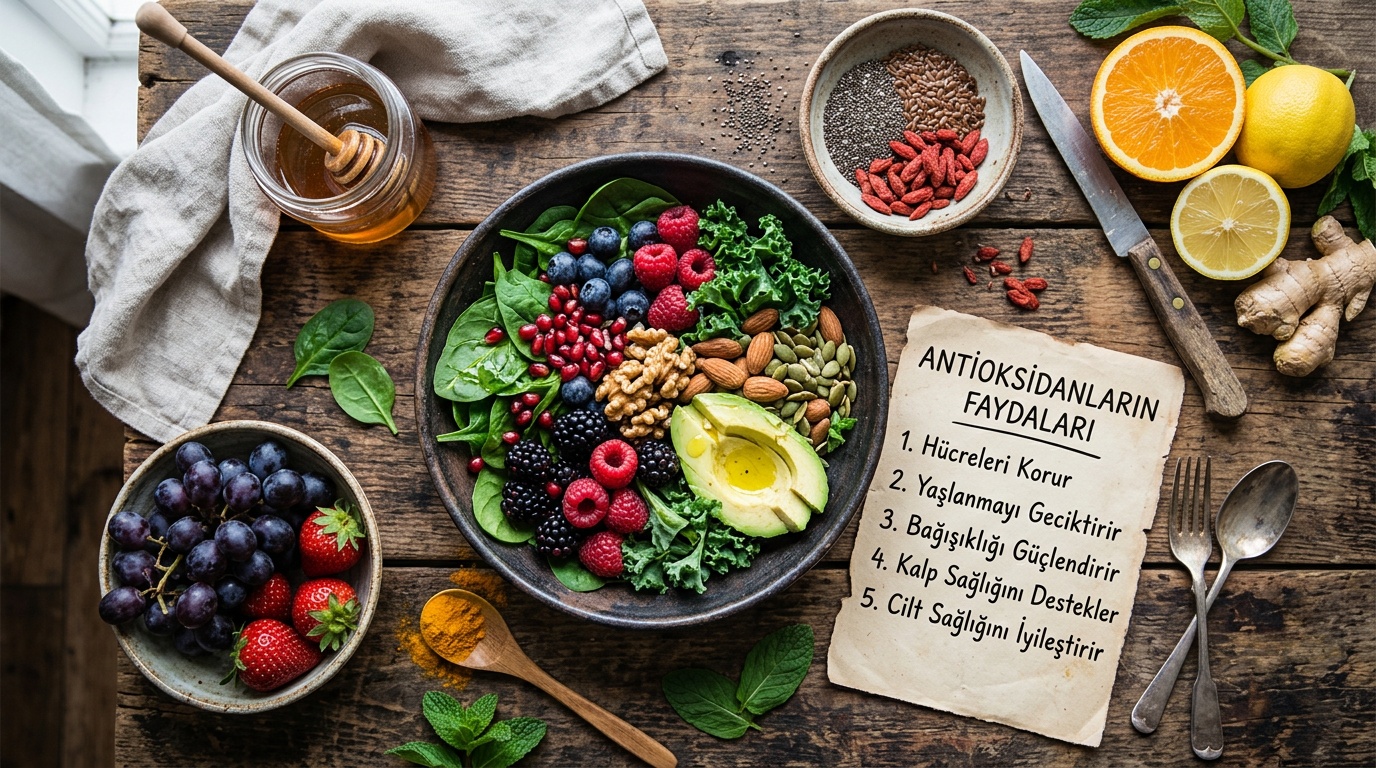
Benefits of Antioxidants
- Strengthens the immune system.
- Helps reduce the effects of aging (anti-aging).
- Strengthens connective tissue, preventing skin sagging; helps skin remain elastic, soft, and wrinkle-free.
- Provides flexibility to heart and vascular tissues, protecting heart health.
- Facilitates movement against difficulty bending in joints.
- Helps regulate blood circulation; protective against varicose veins.
Green vegetables and all fruits have antioxidant properties. Pomegranate has 10 times more antioxidant properties than green tea (not recommended for stomach patients). Grape seeds and broccoli are also prominent antioxidant sources. The proanthocyanidin flavonoids in black grape seeds are a very powerful antioxidant source.
Expert Warnings on Supplements
Although vitamin and mineral supplement products on the market appear to contain all necessary substances, experts are cautious due to the risk of excess vitamins A and D. They should be taken under doctor supervision during illness periods. It is reported that beta carotene, especially in smokers, may facilitate lung cancer development rather than prevent it. All antioxidants can potentially reduce the effectiveness of chemotherapy and radiotherapy. Minerals containing calcium-magnesium-potassium and vitamin mixtures may be problematic in patients with bone metastasis or high calcium levels.