What is Wheat Germ?
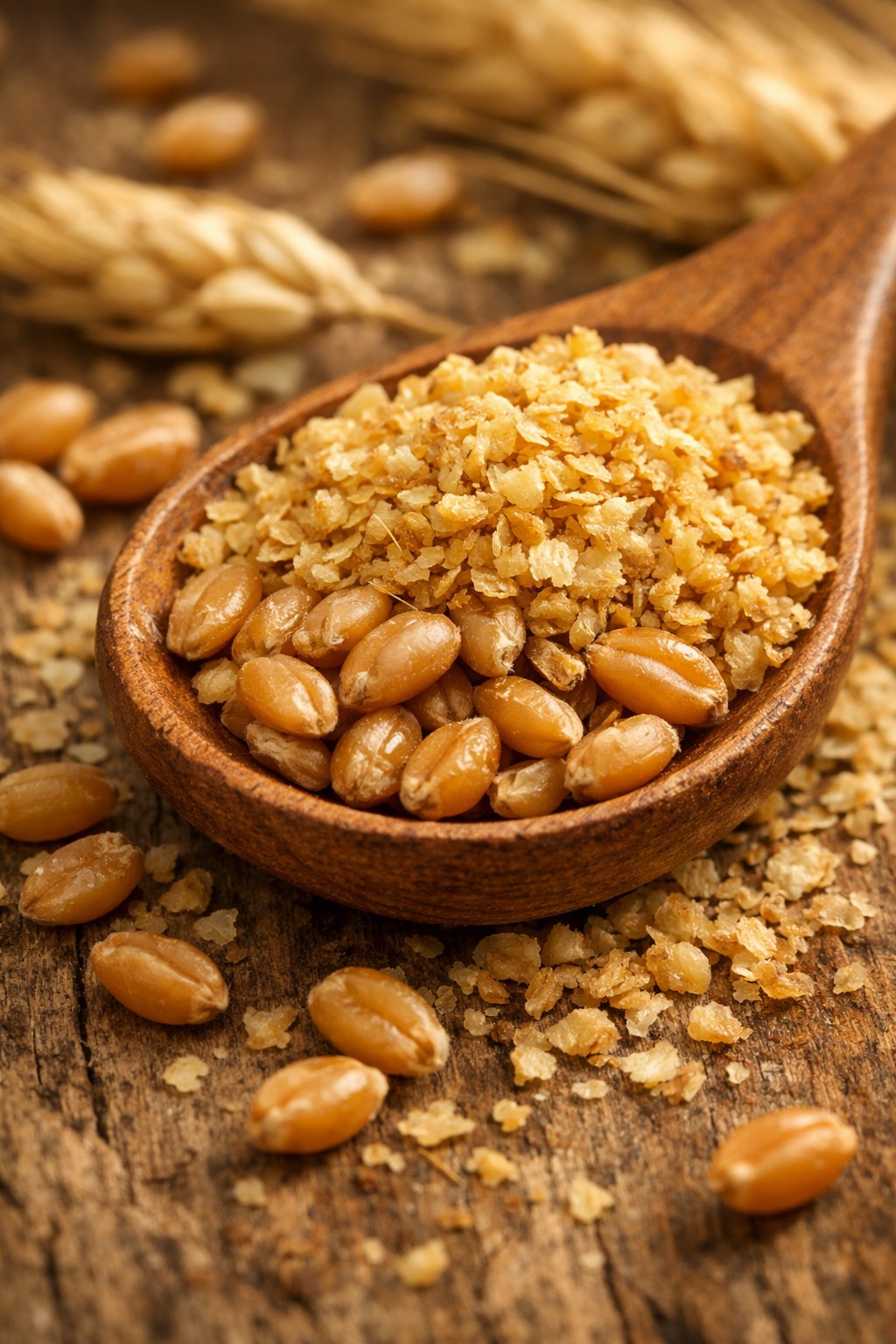
Wheat germ is known worldwide as "wheat germ." It is the essence of wheat, obtained through special separation processes during the milling of wheat into flour, with only 1 kilogram yielded from 1 ton, and is noted for being rich in Vitamin E.
It is the embryo at the very top of the known wheat kernel. It is formed from the inner part of the wheat. That tiny life source at its top is the germ that enables the plant to form.
Wheat germ is the area where the kernel sprouts. It contains high amounts of Vitamins A, E, and B1, lecithin, essential fatty acids and proteins, and minerals such as zinc, manganese, and chromium.
In the seed formed after fertilization, there is a nutrient store along with the plant embryo. The embryo contains a small copy of the plant. The nutrient store will support the embryo's growth until the plant can produce its own nutrients.
While the seed forms after fertilization, depending on the plant species, starch and protein, along with sugar and fat, are stored as nutrients with the seed. Starch provides the necessary energy source for the seed. The stored proteins will also provide the amino acids the embryo will need to build other proteins important for the plant. Wheat germ, which contains approximately 8% of the total protein in wheat, has a protein content of around 30%.
Benefits of Wheat Germ
Wheat germ constitutes 2-3% of the entire kernel and is a sought-after product in foods and cosmetics. The proportion of germ suitable for food use is at most 0.5%.
- With its B vitamin, zinc, Vitamin E, and magnesium content, it is indispensable for learning and exam periods.
- It is used in liver diseases and to boost immunity.
- It is said to have no side effects when used for stress and hormonal changes.
- It is beneficial for all heart, vascular, and immune system diseases.
- It is a good source of lecithin.
- It can contribute to the digestive system and diet.
- When nails that are broken and split are massaged with wheat germ juice, the nails regain their health.
- Because it contains a high amount of Vitamin E, it is used for all aging problems.
- It is a natural source of Vitamin E. Vitamin E should be obtained from natural sources.
- With its rich vitamin and mineral content, it is recommended during growth and development periods, in cases of inadequate nutrition, and for hair and skin problems.
A daily intake of two tablespoons is recommended. It can be used by mixing into yogurt, bread, and cakes. It can be added on top of soup and salad. It should be added after the food is cooked. Bread with added wheat germ is also sold in the market.
Nutritional Value of 100g Wheat Germ
| Item | Value |
|---|---|
| Energy | 302 kcal |
| Protein | 26.7 g |
| Unsaturated fat | 1.2 g |
| Fat | 9.2 g |
| Dietary fiber | 15.6 g |
| Carbohydrate | 44 g |
| Sugar | 16 g |
| Vitamin E | 18 mg |
| Vitamin B1 | 2.0 mg |
| Vitamin B2 | 1.2 mg |
| Niacin | 1.5 mg |
| Folic acid | 0.33 mg |
| Iron | 7.5 mg |
| Sodium (Na) | 5 mg |
| Magnesium | 200 mg |
| Zinc | 14 mg |
This information and nutritional value table were taken from a product I have. Nutritional values vary according to the production and quality of the wheat. For preparing wheat germ at home, see the benefits of wheatgrass.