Benefits of Parsley
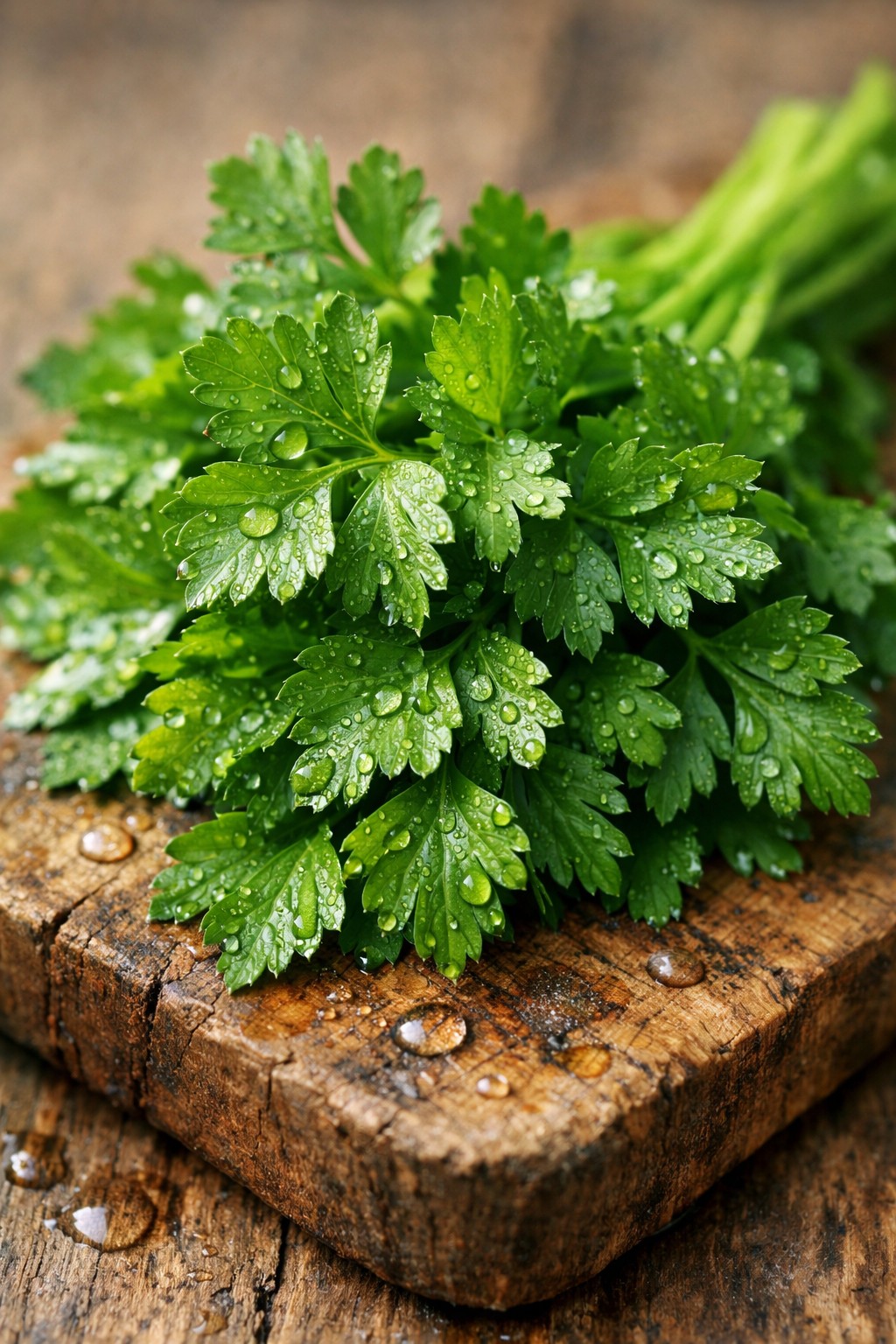
Natural pain reliever. If you want parsley to be beneficial, it is said to pick and eat it in stormy weather. Because it is a source of Vitamin C, it is said to be protective against cancer; then it is said to boil and drink it. Vitamin C is destroyed very quickly when boiled. Never boil it.
It has effects that lower blood sugar and blood pressure; consume it raw with its stems. Sulfur-containing foods are beneficial for dandruff, infections, and fungal diseases in hair.
Parsley should not be consumed excessively because it has blood pressure-lowering and calcium absorption-reducing effects. Parsley eaten with eggs meets the Vitamin C need that is lacking in eggs.
In mythology, there are negative sayings about parsley. It evokes death and blood. The reason for this is that it causes miscarriage in pregnant women.
Parsley seed is used for male infertility. For centuries, its seeds have been used in alcohol treatment. Chewing a teaspoon of seeds in the mouth eliminates the desire to drink alcohol. In those times, cigarette addiction was not an issue; it has been said it could also be tried for cigarettes.
It contains Vitamin K. Because it is among foods containing B17, it is protective against cancer. It must be consumed without boiling.
Other Characteristics and Warnings of Parsley
The roots of parsley are also used for health. A few sprigs of parsley eaten before bed both lower blood pressure and relieve pain. It increases menstrual bleeding in women and causes anemia.
Parsley is a source of provitamin A (beta carotene). With this property, it is good for eyesight, the capillary system, the adrenal gland, and the thyroid gland. It is also rich in potassium, sulfur, calcium, magnesium, and chlorine. The high amount of chlorophyll in parsley juice increases blood, metabolizes oxygen, and helps cleanse the kidneys, liver, and urinary tract.
- Cleanses the blood.
- It has been used against anemia, bladder inflammation, gravel, and kidney stones.
- It is said to be effective for blood pressure, obesity, kidney and liver disorders, and arteriosclerosis.
- It is known to be effective for rheumatic pains.
- Its seeds have diuretic and cholagogue properties and facilitate menstrual bleeding.
- Relieves menstrual pains, regulates periods, relieves pains.
- Cures fungal infection.
- Helps expel intestinal worms.
- Allows gas to be expelled.
- Cures flu and colds, expectorates phlegm, induces sweating, reduces fever.
- Keeps blood sugar at a normal level.
- Expels toxic substances from the body.
- Good for rheumatism and jaundice.
In cases of nausea and shortness of breath, chewing a pinch of parsley thoroughly and swallowing it relieves the person.
Reduces mother's milk. Parsley poultice is applied for milk duct blockages in nursing women. Not used during pregnancy and postpartum period.
Heals wounds, cuts, and bruises. Freshly squeezed juice is applied to bruises from bumps and falls and under-eye circles. Good for ear and toothache.
It is an aphrodisiac.
Gives brightness and smoothness to acne-prone, blemished, rough, and wrinkled skin. Freshly squeezed juice is applied to the skin. Nourishes hair, adds shine, slows hair loss. Hair is washed with parsley juice.
If applied to the site of a bee or insect sting, it relieves the pain.
Benefit from parsley without boiling it. Excessive consumption is harmful. It is said to cause osteoporosis.