
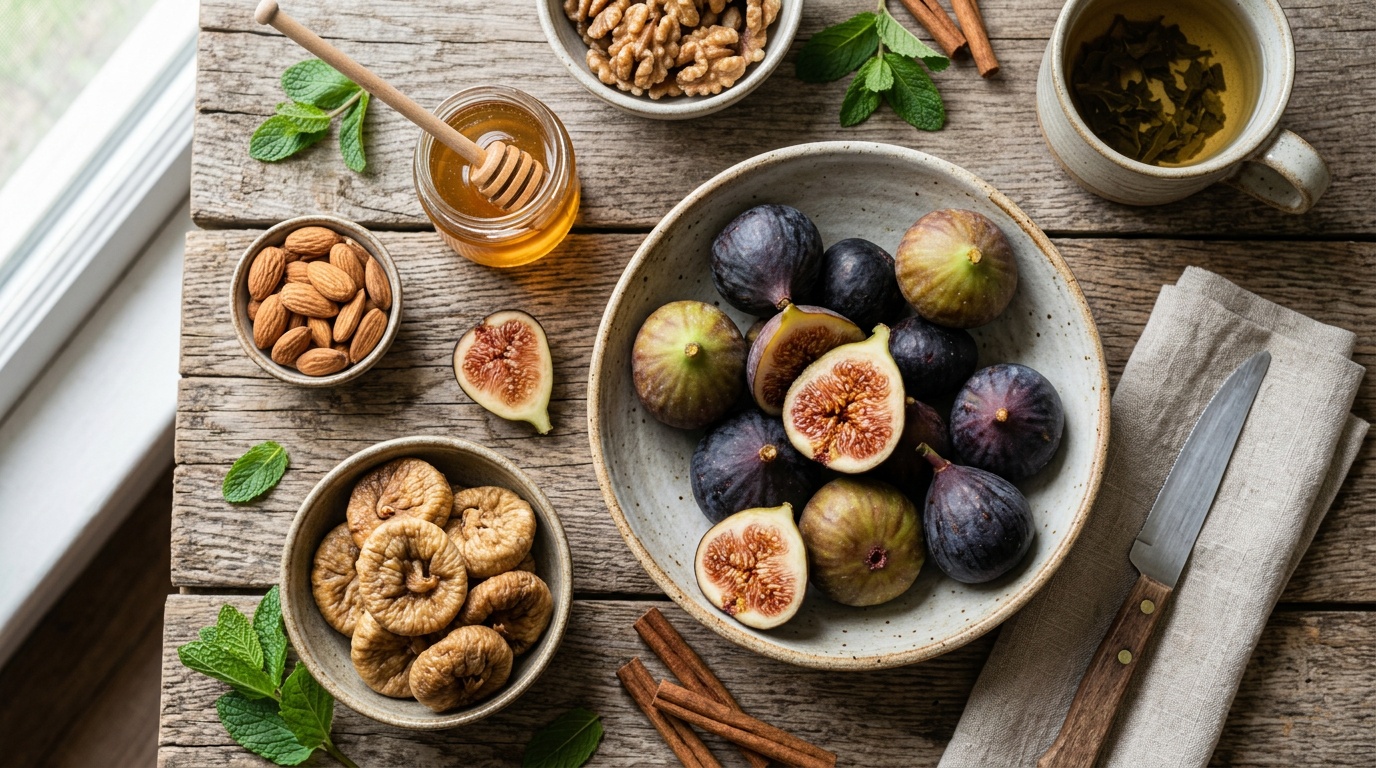
The substance called "benzaldehyde" found in figs prevents the growth of cancer cells. Figs are a remedy for all ailments; however, the figs we export are being turned back at border gates because they contain excessive amounts of aflatoxin.
Figs have the highest fiber content compared to any other fruit or vegetable. Just 1 dried fig provides 2 grams of fiber; this is 20% of the recommended daily requirement. Research conducted in the last 10-15 years has revealed that the fibers found in plant-based foods are very important for the proper functioning of the digestive system. Nutrition experts recommend fig consumption as the ideal way to increase fiber intake.
Fibrous foods are divided into two: soluble and insoluble. Foods rich in insoluble fiber facilitate passage through the intestines, speeding up and regulating the digestive system. It has also been determined that insoluble fiber foods are protective against colon cancer. It has been shown that foods rich in soluble fiber reduce the level of cholesterol in the blood by more than 20%. Therefore, they are of great importance in reducing the risk of heart diseases. If there is excess cholesterol in the blood, it accumulates in the blood vessels and causes the vessels to harden and narrow; whichever organ's vessel it accumulates in, diseases related to that organ emerge. Additionally, the intake of soluble fibers regulates blood sugar by emptying the stomach; because sudden changes in blood sugar can result in life-threatening conditions.
The presence of both soluble and insoluble fibers together is a separate advantage for health: It has been found that the presence of both types of fiber together is more effective in preventing cancer than when they are alone. The presence of both types of fiber together in figs makes figs an extremely important nutrient in this regard.
Dr. Oliver Alabaster, head of the Institute for Disease Prevention at George Washington University Medical Center, speaks of figs with these words: "Here we have the opportunity to add a truly healthy and high-fiber food. Frequently choosing figs and other high-fiber foods is important for your lifelong health."
According to the California Fig Advisory Board, it is believed that the antioxidants found in fruits and vegetables protect people from many diseases. Antioxidants neutralize harmful substances (free radicals) formed as a result of chemical reactions in our body. Research conducted at the University of Scranton determined that dried figs have a much richer phenol composition, which is rich in antioxidants, compared to other fruits.
Research conducted by Rutgers University in New Jersey revealed that dried figs are also important as a cholesterol-lowering agent due to the omega-3, omega-6 fatty acids, and phytosterol (fatty substance found in plants) they contain. Phytosterol ensures that dangerous cholesterol from animal foods is expelled from the body without mixing into the blood. The fig is referred to as "nature's most perfect fruit."
Since figs naturally contain no fat, sodium, or cholesterol and have a high fiber content, they are also a suitable food for people trying to lose weight. 40 grams of figs contain: 244 mg of potassium (7% of daily need), 53 mg of calcium (6% of daily need), and 1.2 mg of iron (6% of daily need). The calcium content in figs is very high; among fruits, it ranks second in calcium content after oranges. One bowl of dried figs provides the same amount of calcium as one bowl of milk.
Figs are also considered a food that aids rapid recovery after long-term illnesses, providing strength and power. It eliminates physical and mental strain and provides energy to the body. It is also recommended for therapeutic purposes in conditions such as asthma, cough, and colds.
Benefits of Dried Figs
- Provides energy; it is a food rich in vitamins and minerals.
- Helps expel toxic substances from the intestines and lower cholesterol levels in the blood.
- Those with intestinal inflammation should eat a lot of figs.
- Used as an expectorant and demulcent.
- Increases the body's resistance in winter months, providing resilience against many health problems.
- Contains sugar, albuminous substances, organic acids, pectin, vitamins A, B1, B2, and C, magnesium, sulfur, and phosphorus.
- When eaten with walnuts, it both protects the body from toxins and is good for bronchitis, stopping coughs.
- When eaten with milk, vinegar, or dipped in olive oil, it is beneficial in relieving hemorrhoid complaints.
- For hoarseness, boiling one fig in a glass of milk and drinking it warm is very beneficial.
- The milky white liquid flowing from a fresh branch is applied to corns and warts.
- Figs eaten with anise both build blood and provide strength.
- To protect against pneumonia, 2 dried figs are steeped in 1 glass of hot water and drunk.
- When diabetic patients eat dried Iranian figs with cinnamon, it helps balance blood sugar.
- Contains a large amount of zinc; to get zinc, fig seeds should be chewed and eaten in the mouth. Especially very beneficial for pregnant women.
- Figs are also very beneficial for hair and skin.
Note: The high aflatoxin measurement contained in figs occasionally becomes news. Along with the countless benefits of figs, this aspect should not be overlooked.