Benefits of Eggs
Benefits of Eggs
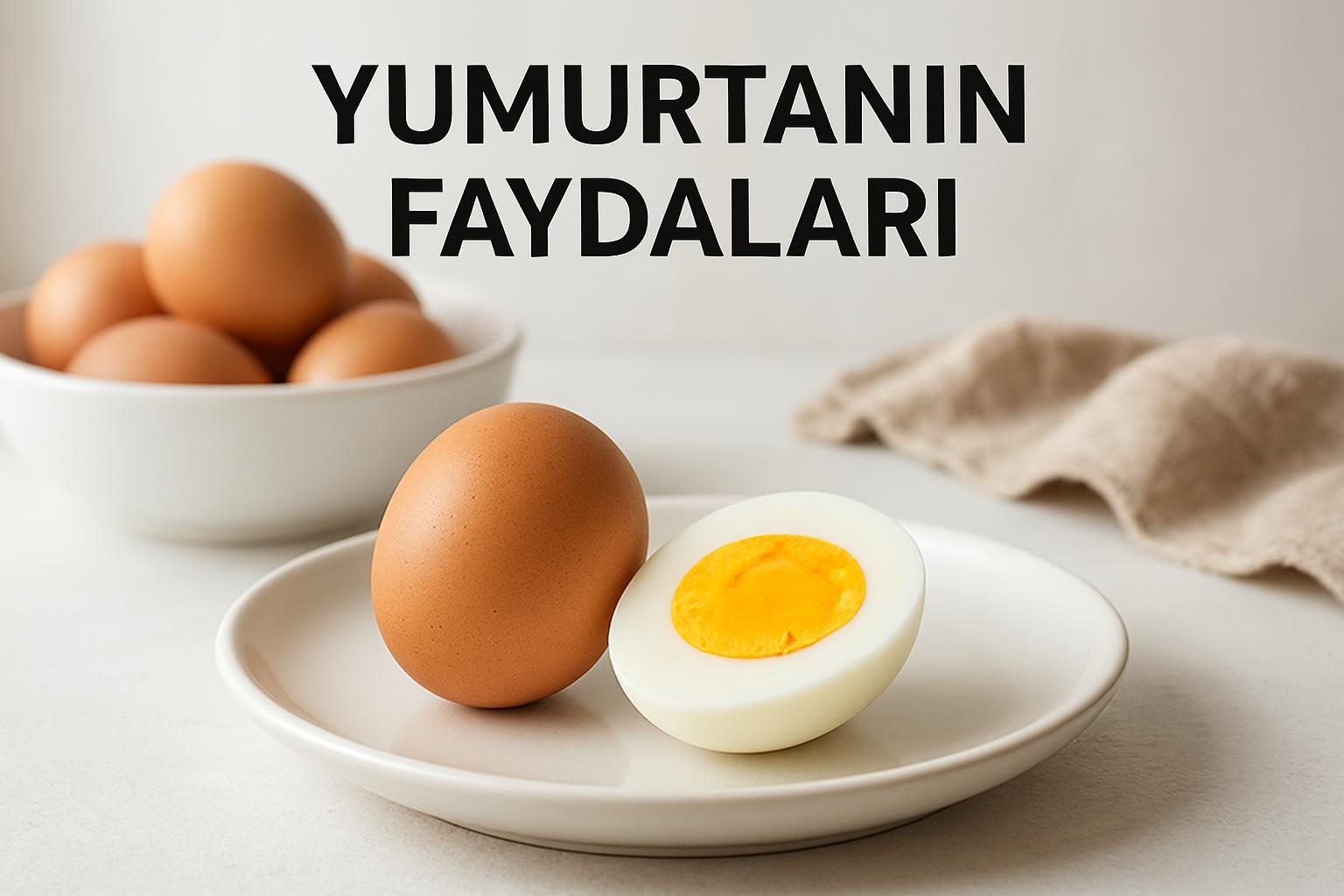
Eggs are a source of protein, biotin, folic acid, biotin, lecithin (choline), selenium, vitamins A, B, D, and E, B12 vitamin, thiamin, niacin, riboflavin, iron and phosphorus, essential amino acids. (biotin is abundant in the white, lecithin is abundant in the yolk.
Eggs: Provide 12% of our daily protein needs. Eggs, rich in vitamins such as A, B6, B12, and D, prevent vision problems that may occur in advanced age.
Very beneficial for brain development, prevents Alzheimer's. B12 deficiency is the cause of MS, stress, and many diseases. The body needs cholesterol to synthesize vitamin D. In these diseases, choline should be taken with inositol. The best source of inositol I know is kiwi. Eggs consumed with kiwi are beneficial for pregnant women, children, and those with attention deficit. Choline is a B vitamin group and is not heat resistant. Soft-boiled eggs are beneficial. The risk of salmonella is high in village eggs. Eggs should not even be cracked. If kiwi is fresh, it contains approximately 300mg of vitamin C. Kiwi also has the characteristic of being a fruit that can be consumed with meals. Contains valuable oils. Supplements the vitamin C lacking in eggs.
Vitamin A in egg yolk is necessary for good eyesight, bone development, and healthy teeth. Helps body cells develop. Ensures the health of the respiratory and digestive systems and protects against infections.
Vitamin D helps the human body use calcium. This vitamin is found in limited amounts in foods, synthesized in the skin from sunlight. Egg yolk is one of the few foods that provide vitamin D. If sunlight is utilized sufficiently and eggs are consumed, bone disorders due to vitamin D deficiency, especially in children, do not occur.
Eggs are also rich in vitamin E. Due to its antioxidant (prevents oxidation) effect, vitamin E protects our body against harmful substances.
B group vitamins are necessary for converting some nutrients into energy in the body. Eggs are especially rich in riboflavin (vitamin B2). This vitamin is also necessary for skin and eye health.
Proteins have very important functions in our body. Eggs have the highest quality protein among all foods. Because egg protein contains "essential amino acids" that cannot be synthesized in the human body and must be obtained from outside through foods in sufficient and balanced amounts. Its digestibility is high, almost all of it is used by the body and can be converted into body proteins. In fact, due to this property, it is also used in calculating the protein quality of other foods. The biological value of egg protein, i.e., the benefit obtained from the protein, is 93.7%, while this value is 84.5% in milk, 76% in fish, and 74.3% in beef.
In adequate and balanced nutrition, it is recommended that at least half of the protein consumption of children, who are in a period of rapid mental and physical growth and development, be of animal origin. Therefore, the necessary importance should be given to eggs, which are an exemplary protein source in child nutrition.
Eggs also contain minerals important for our health such as iron and zinc.
Iron is necessary for blood production. When iron is insufficiently taken, anemia occurs. Also, iron has a role in growth, development, and protection from diseases. In case of deficiency, children's learning ability and school success decrease.
Eggs do not contain vitamin C. If eggs are consumed with a food source of vitamin C (tomatoes, green vegetables), we increase the absorption of the iron in their structure.
Eggs are also a good source of the zinc mineral, which plays a role especially in growth-development and the immune system. Egg yolk contains 231 mg of cholesterol, the white does not contain it. Eggs are not the cause of rising cholesterol. Should not be consumed excessively.
Nutritional Values
| Nutrient Element | Whole | White | Yolk |
|---|---|---|---|
| Energy (kcal) | 75 | 17 | 59 |
| Protein (g) | 6.25 | 3.52 | 2.78 |
| Total fat (g) 5.01 | 0 | 5. | 12 |
| Total carbohydrate (g) | 0.6 | 0.3 | 0.3 |
| Fatty acids (g) | 4.33 | 0 | 4.33 |
| Saturated fats (g) | 1.55 | 0 | 1.55 |
| Monounsaturated fats (g) | 1.91 | 0 | 1.91 |
| Polyunsaturated fats (g) | 0.68 | 0 | 0.68 |
| Cholesterol (mg) | 213 | 0 | 213 |
| Thiamin (mg) | 0.031 | 0.002 | 0.028 |
| Riboflavin (mg) | 0.254 | 0.151 | 0.103 |
| Niacin (mg) | 0.036 | 0.031 | 0.005 |
| Vitamin B6 (mg) | 0.070 | 0.001 | 0.0069 |
| Folate (mcg) | 23.5 | 1.0 | 22.5 |
| Vitamin B12 (mcg) | 0.50 | 0.07 | 0.43 |
| Vitamin A (IU) | 317.5 | 0 | 317 |
| Vitamin E (mg) | 0.70 | 0 | 0.70 |
| Vitamin D (IU) | 24.5 | 0 | 24.5 |
| Choline (mg) | 215.1 | 0.42 | 214.6 |
| Biotin (mcg) | 9.98 | 2.34 | 7.58 |
| Calcium, Ca (mg) | 25 | 2 | 23 |
| Iron, Fe (mg) | 0.72 | 0.01 | 0.59 |
| Magnesium, Mg (mg) | 5 | 4 | 1 |
| Copper, Cu (mg) | 0.007 | 0.002 | 0.004 |
| Iodine, I (mg) | 0.024 | 0.001 | 0.0022 |
| Zinc, Zn (mg) | 0.5 | 0 | 0.52 |
| Sodium, Na (mg) | 63 | 55 | 7 |
| Manganese, Mn (mg) | 0.012 | 0.001 | 0.0012 |
100 gr Egg Yolk
| Item | Value |
|---|---|
| Vitamin B5 | 4 mg |
| Biotin: 60 iu | |
| Vitamin B9: 150 iu | |
| Vitamin B12: 5 iu | |
| Iron | 7mg |
| Zinc | 4mg |
Very beneficial for external use on skin and hair. Egg white mask was chosen as the best skin mask by an important magazine. Has a lifting effect and is compatible with the skin.
Is Drinking Raw Eggs Beneficial?
No. Especially drinking it mixed with milk causes the elimination of beneficial bacteria in the intestines, and there is also a risk of salmonella bacteria.
How to store eggs?
Since eggs are foods that spoil quickly, they should be stored in the refrigerator in their cardboard packaging. The pointed end should be facing down. Eggs can be stored healthily at room temperature for 7 days, in the refrigerator for 1 month. Eggs have a porous structure and should be kept away from strongly smelling foods in the refrigerator. Cardboard boxes are an ideal tool to protect them from such odors.
What is the reason for the color difference in egg yolk?
The darkness of the egg yolk can vary depending on the chicken's feed and has no effect on the nutritional value or quality of the egg. If there is more wheat than the recommended amount in chicken feed, the egg yolk may be light, if there is corn, it may be dark. Some sellers consider dark-yolked eggs as organic.
Are brown eggs more nutritious than white ones?
No. The shell color of the egg is related to the breed of the chicken. Brown and white eggs have the same nutritional value.
Egg Freshness Test
Noting that the white of an egg cracked into a pan should spread in a gelatinous style with a diameter of 7 centimeters, and the yolk should be 1-1.5 centimeters high, he recorded the following:
When these conditions are not well met, the cracked egg falls to the bottom of the pan like water. However, when cracked, the white should not spread like water, the yolk should not burst easily, and it should not contain a foreign odor. All opposite situations indicate that the egg has completely lost its food value.
A second test method is to put the egg in water; if it sinks to the bottom it is fresh, if it floats it is stale.
When Purchasing
The test for this is to shake the egg held close to the ear, if a sloshing sound is heard when shaken, that egg is spoiled. If it is not too old, it will not make a sound on the first shake. The dates on eggs are being changed, the probability of encountering a spoiled one among organic eggs sold in markets is high.
Those with protein allergies should consume carefully. Mixing with honey and other foods increases allergies. Especially in babies, it can cause diaper rash.
When starting solid foods for babies, eggs should be given plain, gradually accustomed to (can be mixed with water).
Since eggs are found in mayonnaise, cake, biscuits, pastries, pastries, desserts, and some foods, their consumption in these foods should be taken into account.