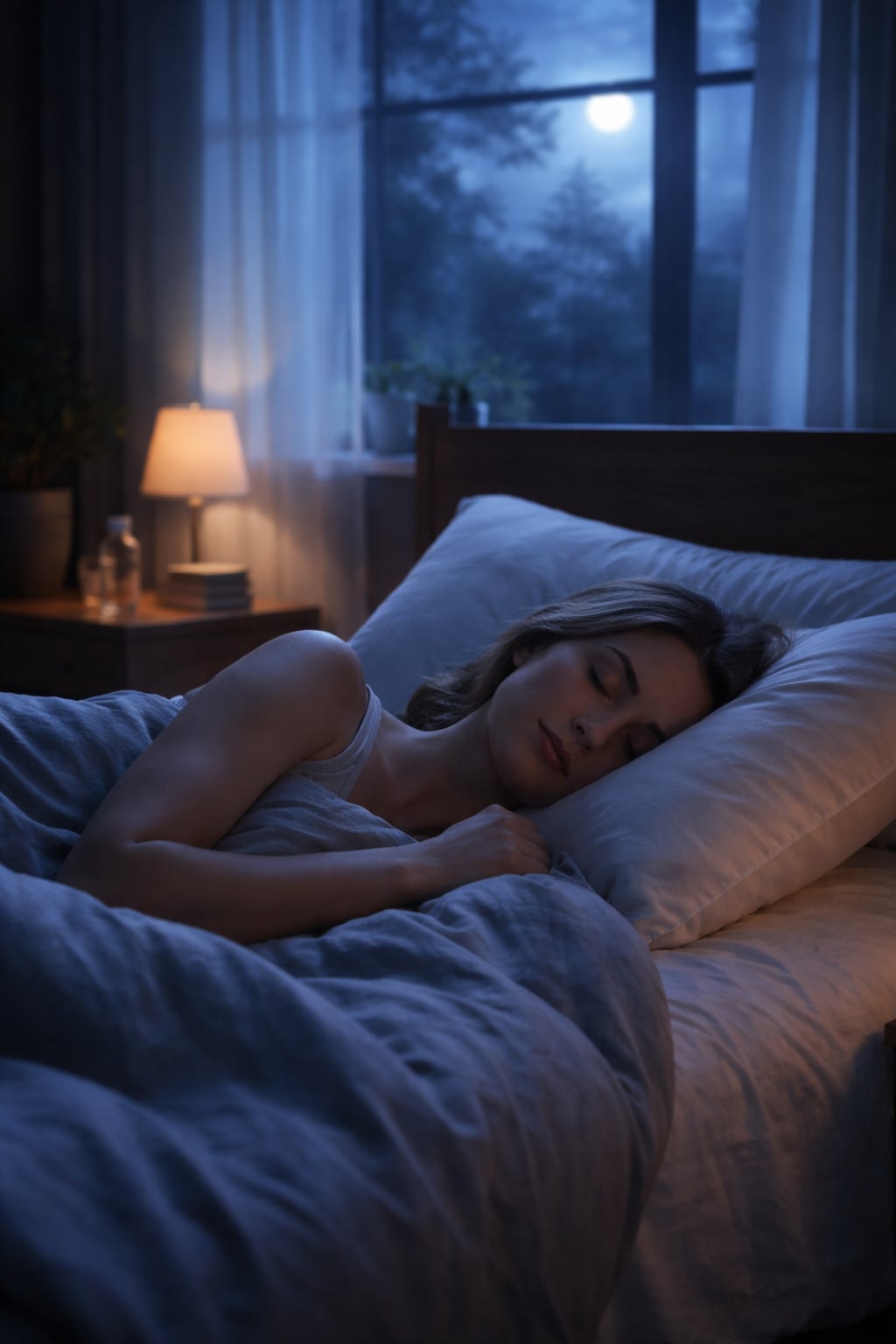
How Many Hours Should You Sleep
Sleeping more or less than 7 hours at night increases the risk of heart disease, the leading cause of death.
A study conducted by the West Virginia University School of Medicine in the USA and published in the "Sleep" journal found that sleeping less than five hours, including naps, doubles the chance of leading to angina, vascular disorders, infarction, or heart attack.
As a more surprising result of the research, it was determined that those who sleep more than 9 hours have a 1.5 times higher risk of cardiovascular disease compared to those who sleep the "magic" number of 7 hours.
The most at-risk group is those under 60 years old
According to the research, the most at-risk group is those under 60 years old who sleep less than 5 hours at night. The risk of cardiovascular disease in these individuals is found to be 3 times higher compared to those who sleep 7 hours.
Sleeping 6 or 8 hours increases the risk of cardiovascular disease very slightly.
In the research, data from 30,000 adults who participated in a nationwide health survey in the USA in 2005 were analyzed. Researchers classified the responses according to the subjects' characteristics such as age, gender, whether they smoke or drink alcohol, whether they are thin or overweight, athletic or sedentary.
Eight percent of the subjects in the survey stated they sleep less than 5 hours at night, and 9 percent stated they sleep more than 9 hours.
Prohibitions for a Good Sleep
- Consuming fatty and hard-to-digest foods and eating late at night.
- Mirrors in the bedroom.
- Noisy and loud appliances.
- Avoiding caffeinated, alcoholic, cola, and soda drinks and tobacco use,
- Having electrical appliances in the bedroom.
- Loud and illuminated clocks used for waking up.
HARIKA HAYAT'S RECOMMENDATIONS FOR SLEEP PROBLEMS
Insomnia has a wide variety of physical causes.
The main reason for suffering from insomnia is that overall body health is not in good condition. The cause of this should be investigated.
The onset of heart failure causes insomnia, and these symptoms manifest just like psychological disorders. Sleep problems in old age are generally related to heart and kidney failure. First and foremost, what causes the sleep problem should be very well researched and known. To strengthen the heart, dates are a friend of the heart. Beef tenderloin and beef also contain Q10 which strengthens the heart. Meat is a very expensive food and there may be people who prefer a vegetarian diet. Asparagus and carob take second place in strengthening the heart. Lemon balm (melissa) also strengthens the heart. It is recommended for nervous tension, but since it primarily strengthens the heart, nervous effects disappear. (It is sleep-inducing, used in the evening) Hawthorn flower and plant are also used for the heart and are side-effect free.
FOR SLEEP PROBLEMS NOT RELATED TO ILLNESSES
- The first thing you need to do is; remove all mirrors from the bedroom. Mirrors absorb light throughout the day and reflect it at night. It is known that mirrors also reflect emotions.
- Curtains should be thick and the environment dark. Melatonin production is released in a dark environment.
- The bed's position should not be close to the wall and door. Cold coming from the back wall should be prevented. Chilling the head hinders sleep. Especially in tunnel mold houses, concrete coldness causes illnesses. (The reason I chose the pictures is their protection styles.)
- Because I change houses very often, I have memorized the way the bed is placed. The position of the bed should be such that your feet do not point towards the qibla. This is very important, our ancestors paid great attention to this when determining the direction of the bed.
- If there is a bathroom in the room, its door should be closed. The room should be protected from drafts.
- Not doing other routine tasks in the bedroom, not trying to sleep when you can't sleep, getting out of bed and the bedroom and spending time elsewhere until sleep comes, then returning to bed. Watching television and spending time on the computer prevents sleep.
- Getting up at a certain time in the morning, no matter how much sleep you get,
- Taking naps during the day disrupts the body's rhythm clock. Getting chilled during sleep causes illnesses; since naps are usually taken after meals, they cause head and stomach discomfort.
- The bedroom should be ventilated during the day.
- Processed sugar and sugary products should not be eaten in the evening. They cause adrenaline to rise. They create restlessness and fear. Fears are a primary cause of insomnia. Lions are known to be fearless, but they sleep in groups.
- Before going to bed in the evening, the nose should be thoroughly cleaned for comfortable breathing; if there is a sinus problem, it should be treated.
- There should be no fresh or dried flowers, odor-causing elements in the bedroom that could cause allergies.
- One should not go to bed very hungry or very full.
- Room temperature should not exceed 24 degrees.
- You should have a healthy bed. Your duvet and pillow should belong to you and be made of healthy fabric. Wool and feathers cause allergies. The duvet should be soft and light and its cover should not be synthetic. Synthetic and non-breathable duvets cause excessive sweating. If you do not have orthopedic problems, the pillow should not be hard and high.
- If you are married, you should sleep not on one pillow, but on separate pillows and separate duvets. Chilling the shoulders impairs general health and one person constantly turning in bed disturbs the other.
- Absolutely do not use antidepressant drugs. Alcohol is also a temporary sleep inducer. St. John's Wort does not show the same effect in every constitution. It is not sleep-inducing but has antidepressant properties. Although it is known to induce sleep in some people, it shows sleep-opening properties in others.
- Evening meals should be light; thyme to facilitate digestion and calming cumin should be used.
- 35% of the American population suffers from insomnia. The reason is gas complaints in the stomach and nighttime sleep interruption. Eating natural foods is an important factor for overall body health. Processed and refined foods should be avoided, and preparing foods correctly is important to benefit from their nutritional properties. Food that has lost its nutritional value and preparation methods cause illnesses. For healthy sleep, intestinal health is also very important.
- Eating 10-12 green grapes at dinner is beneficial, it calms the nerves.
- Walnut is one of the most effective medicines against stress. It does not have sleep-inducing properties; it should be consumed during the day.
- Tangerine is thought to be sleep-inducing, but there are no definitive research results. You should test its effects on you.
- Periodically, baths made with sea salt and foot rests are useful for getting rid of toxins and negative energies.
- Kefir has a serotonin hormone effect. It is beneficial with its calcium and magnesium content.
- Onion can be eaten raw at dinner or one onion cut in half can be boiled with 1 cup of cold water for 1-2 minutes, rested for 5 minutes and then drunk. This recipe is suitable for stomach patients.
- Chewing one teaspoon of fennel seeds half an hour after dinner ensures digestion of food, prevents stomach gas, and balances hormones. It is especially recommended for menopause and puberty.
- If fig is soaked in water for a while and then eaten, it relaxes digestion.
- Vitamin A renews cells throughout the night; if a carrot cure is to be done, some olive oil should be added. Oils enable beta-carotene intake.
- Barley water is both a rich magnesium source and a good source of B vitamins. It relieves pain and cramps. If barley water is to be prepared cold or hot, it should be drunk fresh, not stored.
- Hops is a source of B vitamins. Its tea relaxes. A pinch of the boiled herb is steeped in a cup of water with the lid closed for 6-7 minutes to prepare, not boiled. Do not boil herbs, their volatile oil properties are lost.
- Horsetail is beneficial for all kinds of sleep problems. See harikahayat.com.
- Herbs to be used for insomnia; chamomile, milk thistle, horsetail, melissa (lemon balm), valerian, hops,
- Tryptophan is an amino acid that the body cannot produce itself, and its deficiency is generally seen in the elderly and people with weak constitutions. Its deficiency causes pains. Vegetables and fruits rich in B vitamins should be consumed.
- Calcification causes pain and causes insomnia. Those with calcification problems, if they do a bay leaf calcification cure, the pains lessen and sleep becomes regular. See harikahayat.com
- Applying oil to the back before sleeping relieves pain and prevents colds. Especially St. John's Wort oil is beneficial for nervous tension and pains. Since its smell is not sharp, it does not cause discomfort.
- To relieve muscle tension before sleeping, crushing a cork stopper between the teeth relaxes contractions in the body. Making fists with the hands and squeezing them takes away tension and contractions. Doing stretching movements is also beneficial; yawning is a sign of sleep onset. When waking up in the morning, babies and all animals stretch their tongues out thoroughly to wake the body and activate the organs. Animals stretch their front paws forward by sticking out their tongues. These are instinctive health awareness, they are abandoned over time and not done. When you wake up in the morning, stick your tongue out as much as possible, raise your arms up and stretch. (Sun salutation movement)
- Bay leaf in water in the bedroom humidifies the environment and cleans the air.
- One should go to bed by 24:00 at the latest and get up by 8:00 at the latest.
- An aim should be set to make exercise a regular habit. A relative of mine who died in an accident at the age of 96 built a hut 2 km away from his house after retiring and raised animals there. Every day, so the animal wouldn't die, he walked in rain and dew to feed his animal. Having a purpose for existence in life greatly contributes to health.
- Omega 3 oil, especially shark liver oil, is a beneficial sleep inducer. Cancer research centers give shark liver oil to patients after chemotherapy to relieve their pains. (after chemotherapy and radiotherapy treatments are completely finished)
- I don't know if you can find it, but lavender honey is the best sleep inducer and pain reliever.
- Using the same sleep-inducing herb every day is not very effective; using herbs by constantly changing them prevents addiction.
- For the first day, you can mix valerian and hops together and add a spoonful of honey. Valerian smells very bad. Using its pill is more correct. Wikipedia, the free encyclopedia
- Go and: use, search
- Foods containing tryptophan provide an increase in serotonin and melatonin.
- Which Foods Are High Tryptophan Sources?
- There are a wide variety of foods that are excellent sources of tryptophan, the most well-known source being turkey. Other high tryptophan sources are: chicken, beef, brown rice, sour cherry, brewer's yeast (hops), cabbage, almond, chamomile, St. John's Wort, walnut, oats, grapes, hazelnut, fish, milk, egg, dates, kefir, cheese, fruits and vegetables. These foods are among the foods good for depression due to the tryptophan in them.
- Eating foods containing more carbohydrates is one of the best ways to increase your tryptophan absorption and help serotonin production, which helps the body relax and cope with insomnia problems.
- .From which foods can we get melatonin?
- Food items such as cranberry, sour cherry, milk thistle, fennel, anise, celery, sunflower, fenugreek, mustard and St. John's Wort, chamomile tea, cabbage, almond, hazelnut and other foods containing magnesium and zinc are rich in melatonin.
- To fall asleep, to relieve mental fatigue and silence the mind, count backwards from 10 and feel yourself in the happiest moment or place. Calm places like the seaside should be chosen, they should not be exciting. GOOD NIGHT