
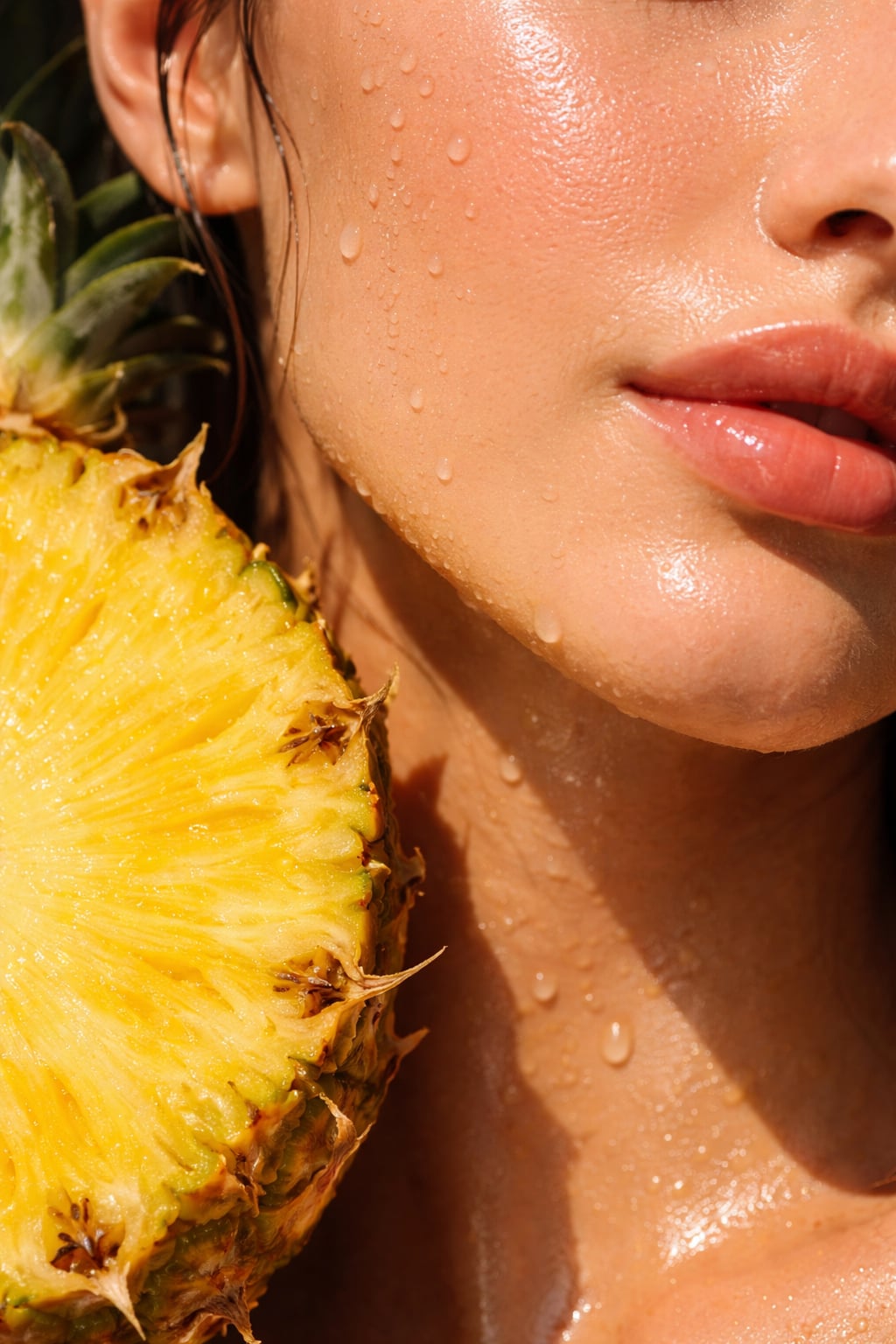
For Cancer, Depression, Lung Edema, Sinusitis, Cellulite..
Benefits of Pineapple
There are many varieties of pineapple; stomach patients should choose the juicy and soft type. Pineapple was first discovered by Columbus and sent to Europe. Since then, it has been consumed with pleasure in Europe.
Those who want to benefit from the effects of pineapple should eat it fresh. Canned pineapples have no health benefits. Furthermore, they contain excessive sugar additives. Pineapple should be consumed for lung health. It has been understood that it is good for the heart and, with long-term use, removes age spots. Indians use it in Ayurvedic treatment for age spots.
Pineapple should be eaten as a snack and on an empty stomach. Because it is anti-inflammatory, it should be eaten for at least 40 days without a break.
One slice of pineapple is 43 calories.
The nutritional value of pineapple, its vitamin C property, is equivalent to that of lemon. It contains B complex vitamins B1, B3, B5, B6, and B12. B vitamins being present in complex form is beneficial for nerves and the heart. It is a fruit preferred by both men and women who want to have children. It contains beta-carotene, copper, sodium, magnesium, selenium, manganese, and zinc. It is beneficial for overall body health. Indians mix it with salt and chili to use against diarrhea.
- Drinking half a glass of pineapple juice regularly before breakfast reduces asthma and allergic problems.
- Useful in quitting smoking. Cleanses the lungs. Prevents weight gain.
- Reduces body fat, lowering cancer risk.
- Being a fibrous food, it reduces the risk of coronary heart diseases.
- Because it lowers saturated fat and cholesterol, it again reduces the risk of coronary heart disease;
- Because it reduces the sodium level in the body, it also reduces the risk of high blood pressure.
Aids Digestion and Natural Anti-Inflammatory
Fresh pineapple, thanks to the protein-digesting enzyme bromelain it contains, not only aids digestion but also miraculously reduces inflammations and swellings that may occur in the body,
It has been observed that pineapple is particularly beneficial for sinusitis, tonsillitis, gout, arthritis, or during recovery periods after injuries or surgeries. *To increase the anti-inflammatory effect of bromelain, pineapple should be eaten alone between meals. This way, it is prevented that all the enzymes in pineapple are used solely to aid digestion.
Vitamin C is the body's primary water-soluble antioxidant and protects all water-filled parts of the body from attacks by free radicals that attack and damage cells.
It has been revealed that free radicals increase the clogging of blood vessels and heart diseases, increase the likelihood of respiratory tract spasms leading to asthma attacks, damage colon cells paving the way for colon cancer, increase joint pain, and increase the risk of injury in osteoarthritis and rheumatoid arthritis disorders.
We see how important a diet rich in vitamin C is in preventing these disorders or reducing their harm.
Vitamin C is also very effective in the proper functioning of the immune system, ear infections, colds, and flu.
Since pineapple is a food rich in vitamin C, it should be consumed abundantly.
For Energy Production and Antioxidant Defense
Pineapple is an excellent source of manganese, a rare mineral;
Manganese is a very valuable cofactor for several enzymes necessary for energy production and antioxidant defense. In addition to manganese, pineapple is also rich in the B vitamins thiamin and riboflavin, which are necessary for energy production and used in enzymatic reactions.
When Choosing Pineapple
Choose one that is plump, looks fresh, and as wide as possible. The wider the pineapple, the more edible part it has. Fresh-looking dark green leaves are a sign of good quality. Its smell is also an indicator of good quality, but because it is stored in cold environments, its smell is usually not felt much unless it is at room temperature. Whether the leaves come out easily or the color of its skin does not give information about the ripeness or good quality of the pineapple. Information about storing pineapple for ripening is also misleading. Pineapple neither ripens nor sweetens after harvest. Pineapple is harvested very close to ripeness and sent to markets immediately. Therefore, it should be eaten right away.
Drinking pineapple peels soaked in boiled water is also anti-inflammatory.