
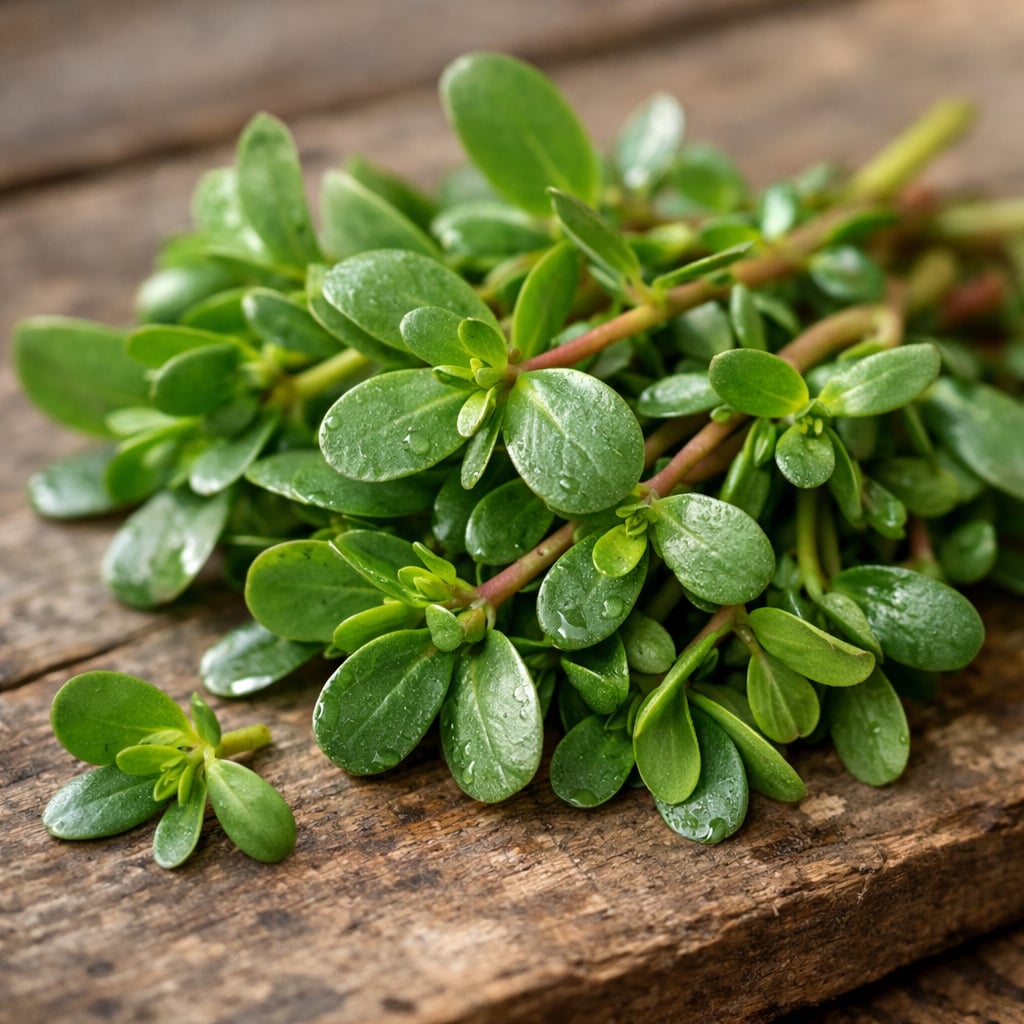
Original name: Rumex patienta Other name: Efelek, Labada
It belongs to the Polygonaceae family. Labada, a close relative of sorrel, has about 25 species growing in our country. The most common of these, common labada (R. patienta), is a perennial herbaceous plant that grows spontaneously in wet places, is also cultivated, and can grow between 0.5-2 m. tall. Its taproot is branched, brown on the outside and yellow on the inside. Its upright stem with a round cross-section is longitudinally lined and usually reddish in color. Its leaves are alternately arranged, stalked, rather long, oval or elliptical in shape, and their edges are slightly wavy. The flowers that bloom in summer are found in reddish-green clusters at the top of the stem. The plant reproduces by seeds from the fruit that matures from its flowers.
Labada leaves contain various minerals and vitamins; its taproots contain starch, sugars, resin, and anthraquinone derivatives. In some parts of Anatolia, labada leaves are used to make salads, vegetable dishes, and a special meat dish called "efelek dolması." The "gığış" tea made by steeping its fruits is drunk in some places instead of tea. You can visit our site for information regarding its use for height growth.
Medicinal Effects and Usage
The medicinal effects of labada, some of its health benefits resembling those of sorrel, can be listed as follows:
- Its leaves are a tonic that strengthens the body.
- It is an appetite stimulant.
- It cleanses the blood and intestines.
- It has a mild laxative effect.
To benefit from these effects, labada leaves are eaten raw or a 5% standard decoction is made and drunk. For this, 50 grams of fresh labada leaves are placed in 1 liter of hot water and steeped for 15-20 minutes; the obtained decoction is taken one glass two to three times a day.
- Its leaves are effective for skin diseases; they mature boils and heal wounds and eczema. For this effect, a wound poultice is prepared with labada leaves and applied externally to the affected areas.