
There are certain minerals and elements that we can describe as essential for our bodies. Sulfur is one of them. Like too much of anything, too much sulfur is harmful to human health.
Benefits of Sulfur
Sulfur deficiency can lead to infection, fatigue, growth retardation, irritability, eczema, itching, acne, infections in nails, hair and skin, and diabetes. Sulfur protects the body against infectious diseases. Sulfur-rich foods increase insulin production. It contributes to the healthy functioning of the respiratory system and maintains the body's oxygen balance. It supports the healthy functioning of brain functions.
- It is necessary for hair, nail and skin health.
- Prevents dandruff formation and premature graying in hair.
- It is protective against allergic disorders.
- It is used in the treatment of skin diseases such as scabies and eczema.
- It helps the liver function regularly and increases bile secretions.
- It helps in the utilization of B vitamins.
- It has a killing effect on some harmful bacteria.
- It can also be said to reduce the signs of aging.
The average daily amount of sulfur the body needs to take to meet its sulfur requirement is about 900 mg.
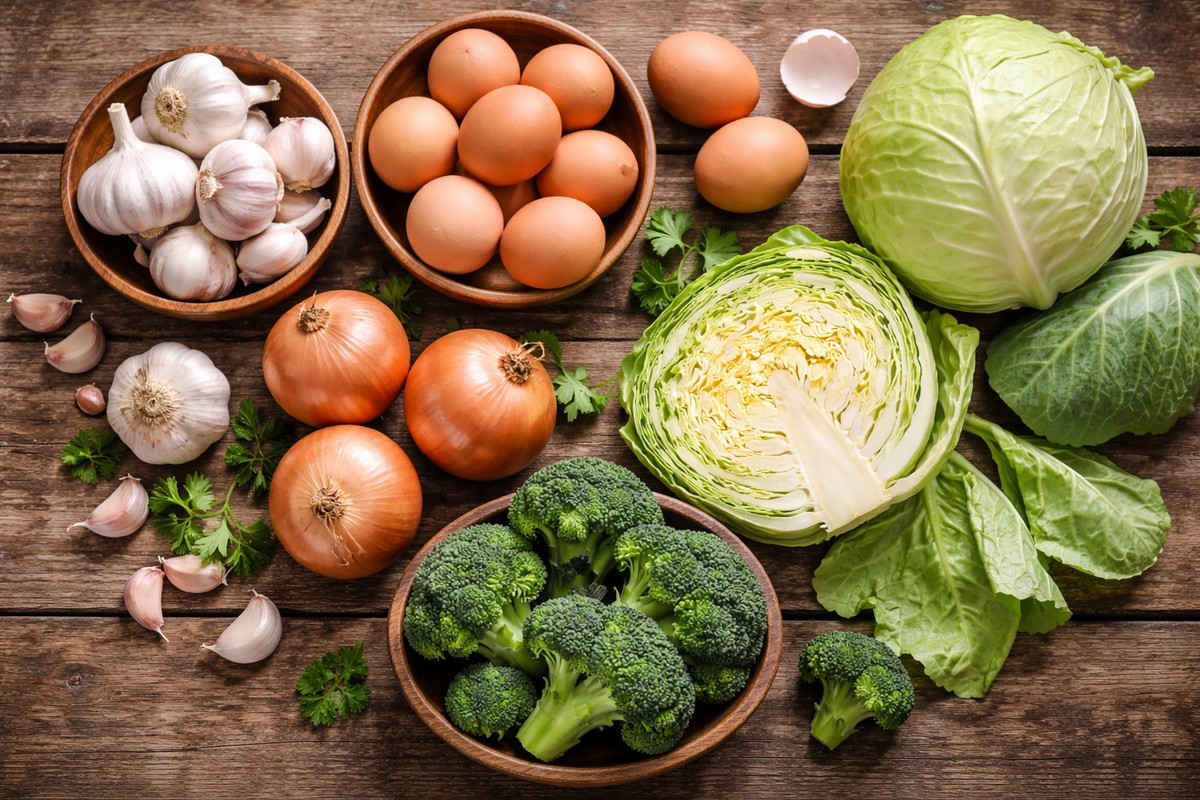
Although sulfur deficiency is a rare condition, when sulfur is not sufficiently present in the body, weakness in hair and pallor in the skin are observed, and dandruff occurs. The benefits of foods like onions and garlic to hair are due to sulfur.
Harmful Effects of Sulfur
The harms of excessive sulfur intake. Excessive sulfur damages the kidneys. When the human body takes in too much sulfur, it shows symptoms such as headache, throat and stomach burning, and vomiting. It also causes allergic skin diseases. Sulfur excess most negatively affects asthma patients.
Which Foods Contain Sulfur?
Red meat, chicken and fish meat, dairy products, eggs, carrots, sunflower seeds, onions, purple onions, garlic, celery, mustard, olives, bitter apricot kernels, walnuts, peanuts, hazelnuts, pistachios, radishes, cabbage, parsley, Brussels sprouts, spinach, strawberries, bananas, lettuce, dried fruits, leeks, peas, figs and dates are among the foods containing sulfur.
- Soy: 580 mg
- Walnut: 790 mg
- Sunflower seeds: 490 mg
- Meat: about 530 mg
- Liver: 630 mg
- Fish: 800 mg
- Cheese: 960 mg
- Peanuts: 890 mg