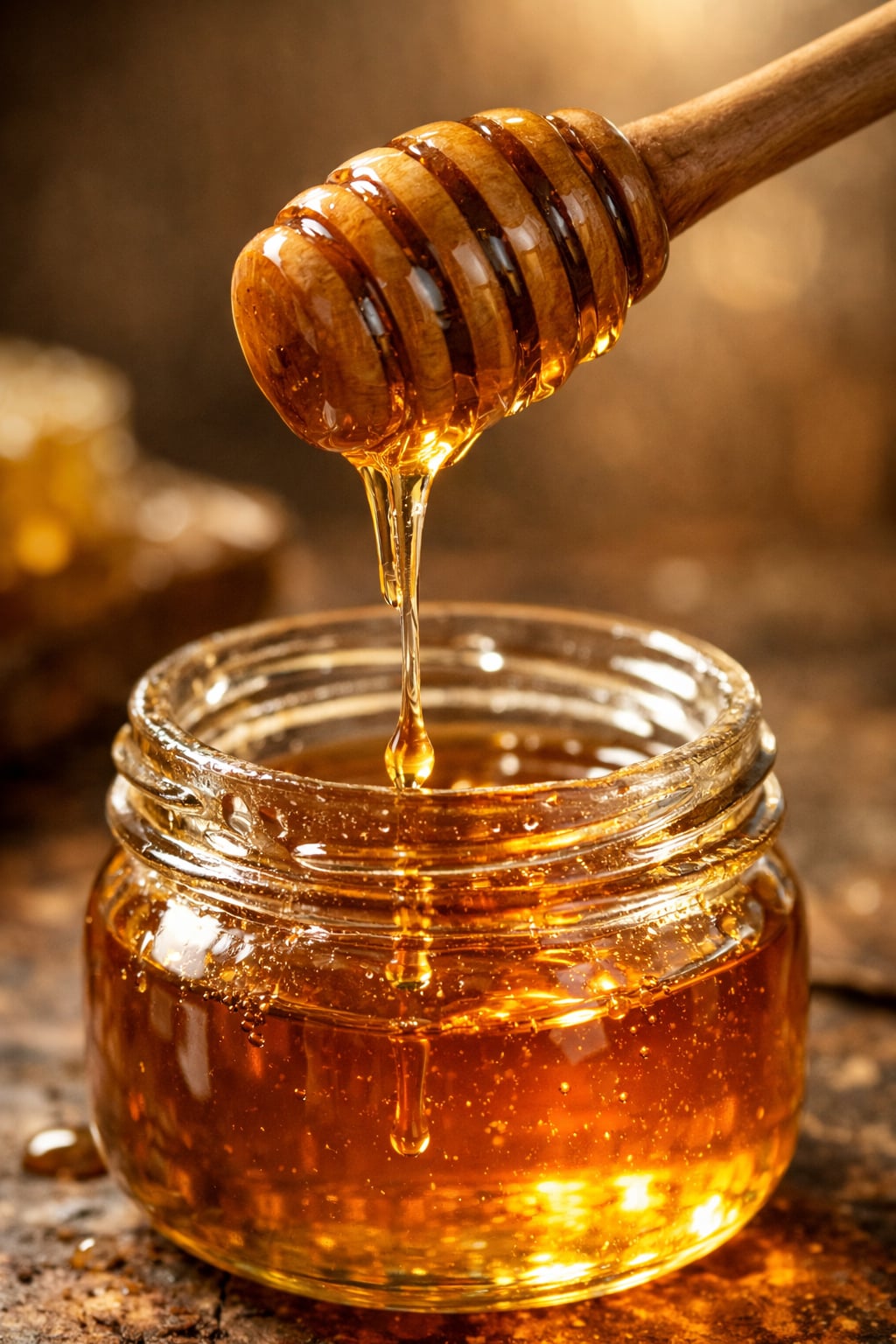
Honey is allergenic; it should not be eaten mixed with other foods. Especially when deciding to do a honey cure, it is very important to know your illnesses, as it can have an intensifying effect. Hot foods and drinks should not be consumed after eating honey. Flower honey increases allergies; highland honey is recommended. One must be careful when using honey. Adding it to baby food causes diaper rash and increases allergies. When your specialist doctor recommends honey as a supplementary food, it should be preferred to mix it with lukewarm water and give it as a snack.
Siirt Stone Honey is not among the poisonous honeys listed below; this honey is among the dangerous honeys.
The information below is quoted.
Is Honey a Cure for Everything?
Is honey a cure for everything? When and how much of this healing source, honey, should be eaten to be beneficial?
Honey's nourishing property comes from its ability to pass into the bloodstream immediately without requiring digestion and provide energy. Therefore, it is a good food to easily meet the energy needs of weak and appetite-lacking individuals.
Quality of Honey
Honey is a food that bees produce by taking the nectars from plant flowers and processing them with the help of special substances in their own bodies, then storing them in the cells of the honeycomb. Honeycombs can be made naturally by bees inside the hive, or they can be prepared in advance and placed into the hives. Bees fill these combs with honey. Honey in combs made by bees is called "natural comb honey," the other is called "artificial" or "modern hive honey." More honey can be obtained from modern hives; there is no other significant difference. If honey is extracted from the comb cells, it is called "strained honey."
The quality of honey is determined by its color, taste, smell, consistency, and durability. The color of honey consists of substances that give plants a yellow-reddish color. The color of natural honey made by bees only from plant flower nectars is golden yellow. The color of artificial hive honey is lighter. Honey made by feeding bees sugar has a dark brown color.
The taste of honey is related to the production method. Since the flavoring agents in plant flower nectars pass into the honey, the taste of the honey can vary slightly depending on the region's plant environment.
The smell of honey is perceived when taken into the mouth. In honeys strained by heating, the aromatic substances are lost, so their specific smells are not perceived. If honey is kept near unpleasant-smelling substances, it absorbs this smell. Since the aromas that give honey its smell are obtained from flowers, the smell of honey can also vary according to the region's vegetation.
Nutritional Value and Usage
The consistency of honey also varies according to the climate conditions and vegetation where it is produced. Honeys from hot regions have a thick consistency. Honeys from highland and mountainous regions are more fluid and are considered superior in terms of taste and aroma.
On average, 100 grams of edible honey consists of 17.2 grams of water, 82.3 grams of carbohydrates, and 0.5 grams of protein and mineral substances. As can be seen, honey is basically a food that provides carbohydrates. The vast majority of carbohydrates in honey are monosaccharides called glucose and fructose, which do not require digestion. Sucrose is very little in good flower honeys. However, in honeys made by feeding bees sugar, the amount of sucrose increases. This also causes the honey to crystallize after a while.
For Whom Is It Not Suitable?
100 grams of comb honey provides energy of around 305 calories on average. 100 grams of honey strained from its combs provides an average of 330 calories. Vitamins and mineral substances are found in very small amounts in honey. Honey's nourishing property is its ability to pass into the bloodstream immediately without requiring digestion and provide energy to the person. Therefore, it is a good food to easily meet the increased energy needs of thin, appetite-lacking individuals and those who do a lot of physical work.
On the other hand, honey is a food unsuitable for the obese, those with a very good appetite, those with little physical activity, and diabetics. Honey suddenly raises the already high blood sugar of diabetics. However, in some people, sudden drops in blood sugar can occur. Honey is only suitable for such situations.
Honey is also not suitable for conditions called "dumping syndrome" after stomach surgeries. Since honey does not require digestion, it suddenly passes into the blood, causing blood sugar to first rise and then fall. Therefore, those with such conditions should also avoid honey.
Poisonous Honey and Adulterated Honey
"Artificial honey" is obtained by adding sugar, some additives, and a little strained honey. It is necessary to write "artificial honey" on these honeys. Furthermore, the juices of grapes and some other fruits can be concentrated in the sun to obtain products similar to strained honey. These differ from natural honey in terms of smell and taste. Again, strained honeys can be adulterated and sold with water, milk, starch, molasses syrup, quince paste, gelatin, food dyes, and aromatic substances. People who know the taste and smell of natural honey well can easily distinguish these adulterations.
Poisons that bees take from poisonous plants can mix into the honey; the poison called "andromedotoxin" is a known example of this. Poisonous honey is seen more in the Black Sea and Marmara regions of our country. It is difficult to distinguish poisonous honey from non-poisonous honey. Poisoning occurs about 20 minutes after eating around 50-100 grams of honey, with symptoms such as dizziness, nausea, vomiting, diarrhea, sweating, and weakness. Symptoms can last 2-3 days. In such cases, the patient should be made to vomit immediately, and if there is no diarrhea, a laxative should be given to try to expel the poison from the digestive system.
Famous Honey Varieties in Our Country
Famous honey varieties in our country can be listed as Anzer honey, flower honey, chestnut honey, and karakovan (black hive) honey.
We must not forget that while honey has benefits, some honey varieties can be poisonous.