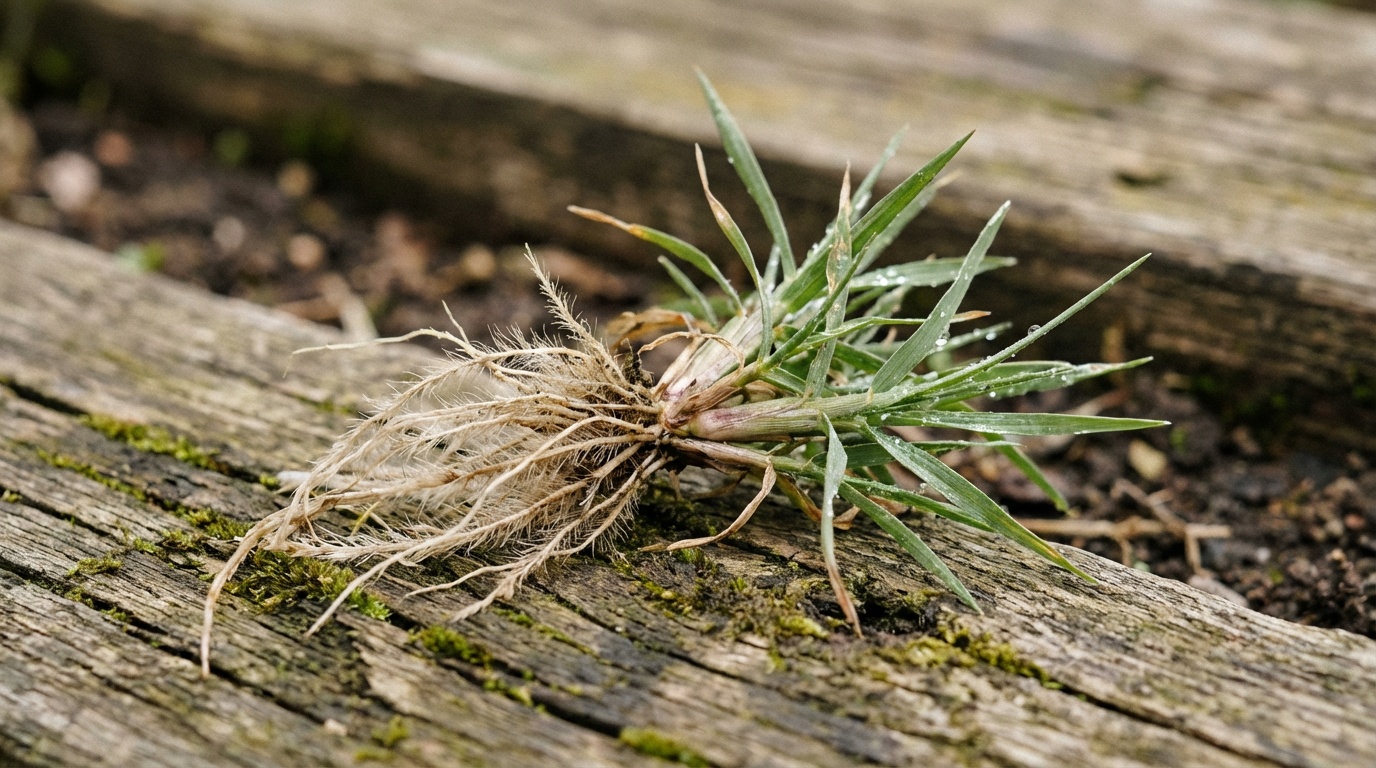
When couch grass is placed in a kettle and boiled, it leaves the kettle shiny and free of limescale. Animals like cats and dogs also naturally heal themselves by eating this herb for stomach ailments. Couch grass root has diuretic, mucosa-protective, antiseptic, bronchi-relaxing, and blood-purifying properties.
Content of Couch Grass Root
The root contains a large amount of carbohydrates (triticin), mucilage, and saponins; it harbors 13–18% triticin, 10% mucilaginous substance, 2% sugar, mineral salts (especially potassium salt), silicic acid, iron, vitamins A and B, and organic acids. The root is dug up in spring before it begins to sprout, washed clean of soil, and dried in the open air. Since it will mold if not completely dry, it is recommended to dry it a second time at 55 degrees of artificial heat.
Diseases It Helps
- Bronchial disorders
- Metabolism problems
- Rheumatism and gout diseases
- Urinary system inflammation, bladder and urinary tract inflammation
- Prostate inflammation and prostate enlargement
- Kidney stones and gravel (as a diuretic)
- Blood purification
- Skin diseases and adolescent acne
Method of Use
One teaspoon of finely chopped couch grass root is added to a cup of cold water; boiled over low heat for 10 minutes, then steeped for another 10 minutes and strained. Drink 3 cups a day. It has no known side effects.
Mixture for Acne
2 parts couch grass root, 1 part horsetail, 1 part nettle, and 1 part chamomile are finely chopped and mixed well. One heaping teaspoon of this mixture is steeped covered in a cup of boiling water for 10 minutes, then strained. Consume 3–4 cups a day on an empty stomach or between meals as a 2–3 week course.
Mixtures
For bladder, urinary tract, and prostate inflammation, it is mixed in equal parts with yarrow or nettle. For prostate enlargement, it is mixed in equal parts with fireweed. In these mixtures, couch grass root is boiled, and the other herbs are steeped; the two teas are mixed together and drunk.
Usage for Specific Complaints
Kidney, bladder calcification and small stones: 20 grams of couch grass is boiled in 1 liter of water. Drink within one day; the tea should be prepared fresh daily. Continue until burning and pain in urine cease.
Blackheads: Couch grass is mixed in equal parts with celandine. 1 teaspoon of celandine and 1 teaspoon of couch grass are boiled in 1.5 cups of cold water until reaching boiling point; steeped overnight and strained. This liquid should be applied especially after bathing; over time the skin becomes smooth. Should be done at least once a week, applied 5–6 times during the day.
Calcification: 2 tablespoons are boiled with half a liter of water; drink morning and evening. When drunk regularly without sweetening, it removes all calcifications in the body.
Thirst and heat: If boiled and lemon is squeezed in or drunk plain, it relieves summer heat and thirst.
Kidney failure: Continue drinking by boiling and sweetening with honey.
Bladder tract inflammation: If boiled alone or with herbs like chamomile and thyme and sweetened with honey, then drunk on an empty stomach, it cleanses the bladder tracts and dries up the inflammation.
Liver insufficiency: Continue drinking the boiled root sweetened with honey, cold.
Blood purification: The root is boiled alone or with thyme and sweetened with honey, then drunk.
Weight loss: Continue drinking the boiled root warm, 3 cups a day on an empty stomach.
Jaundice: The root is boiled alone or with thyme, sweetened with honey, and drunk cold.
Phlegm: Boiled, sweetened with honey, and drunk warm on an empty stomach.
Gastritis: The root is boiled and sweetened with honey, then drunk.
Kidney, spleen, and liver blockage: If boiled, sweetened with honey, and drunk warm on an empty stomach regularly, it opens blockages.
Couch grass is generally a healing plant that grows in sandy soils and which villagers cannot cope with by digging up and discarding. Its taste is not disgusting; it can be boiled with thyme and sweetened. Despite growing in sand, it is a unique plant that expels gravel from the kidneys. If boiled over low heat, it loosens phlegm in the head. Note: Bermuda grass (Cynodon) is harmful; it should not be confused. It is beneficial to try herbs little by little; do not use without consulting your doctor.