Ingredients
- A handful of dried okra
- One tablespoon of extra virgin olive oil
- Half a tea glass of milk
- Clean water
Preparation
The okra flower to be used should be dried and hung on a string. The okra is boiled in some water; water is continuously added during boiling — this method is effective for melting the okra, and it is cooked until a melted dough consistency is obtained. When the okra softens enough to be mashed, olive oil is added. It is boiled until it absorbs the olive oil, then milk is added, and when it reaches a thick paste consistency, the heat is turned off.
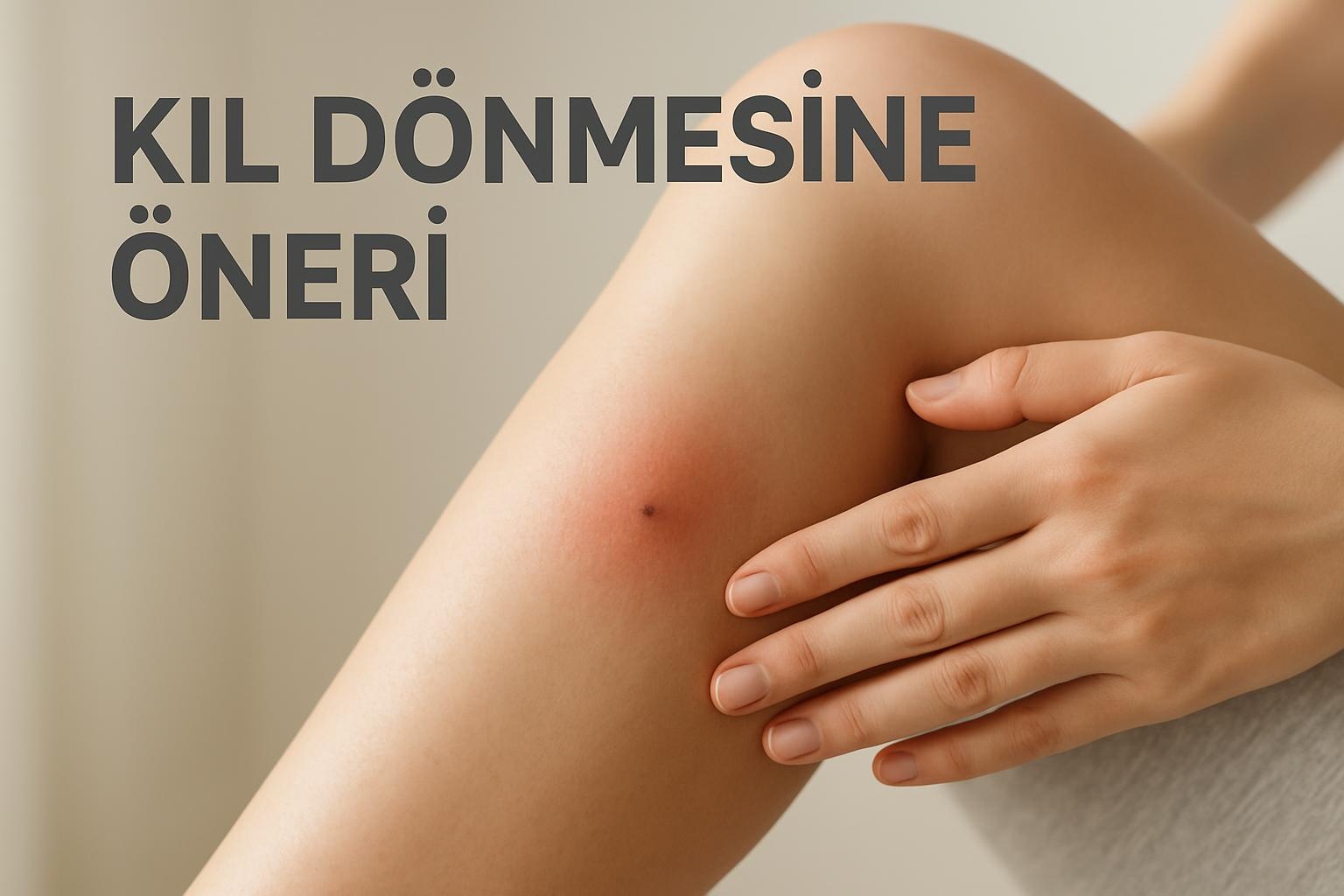
This obtained paste, while at a temperature that will not burn the body, is placed on the area with ingrown hair and left for half an hour (you must be in a lying position). After this application, pus will drain from that area; keep warm water and a cloth with you. Discharge occurs depending on the inflammation, do not be afraid of excessive discharge. Clean that area later with hydrogen peroxide. Before cleaning with hydrogen peroxide, check if the hair has been expelled; if there is a hair visible on the skin, pull the hair out with a sterile needle or sterilized tweezers.
This method is very effective; it has been applied to people who have had surgery three or four times and had a recurrence, and results were obtained. It is also beneficial for hernias. Mallow poultice is also used for inflammation and boils.
Note: There should be no fracture in the area where the application is made. Okra opens fractures.
Benefits of Okra
- It has a mucilaginous effect.
- It is refreshing and soothing.
- It is antiseptic.
- It has blood-purifying properties.
- It lowers blood sugar.