For centuries, woad has been used in cancer and is known to be beneficial. The University of Bologna has conducted research on it, and the results are said to be quite good. For preventive purposes.
Woad is a plant species belonging to the Brassicaceae family. In the industrial field, it is used as a raw material for dye. Apart from these, it also has medicinal properties.
- Latin name: Isatis tinctoria
- Substances it contains: Tannin, saponin, essential oils, flavonoids, choline, acetylcholine, tyromine, diosmin, monamine, Vitamin A
- Etheric fatty acids, plant extracts and active substances: Glucobrassicin
Properties of Woad:
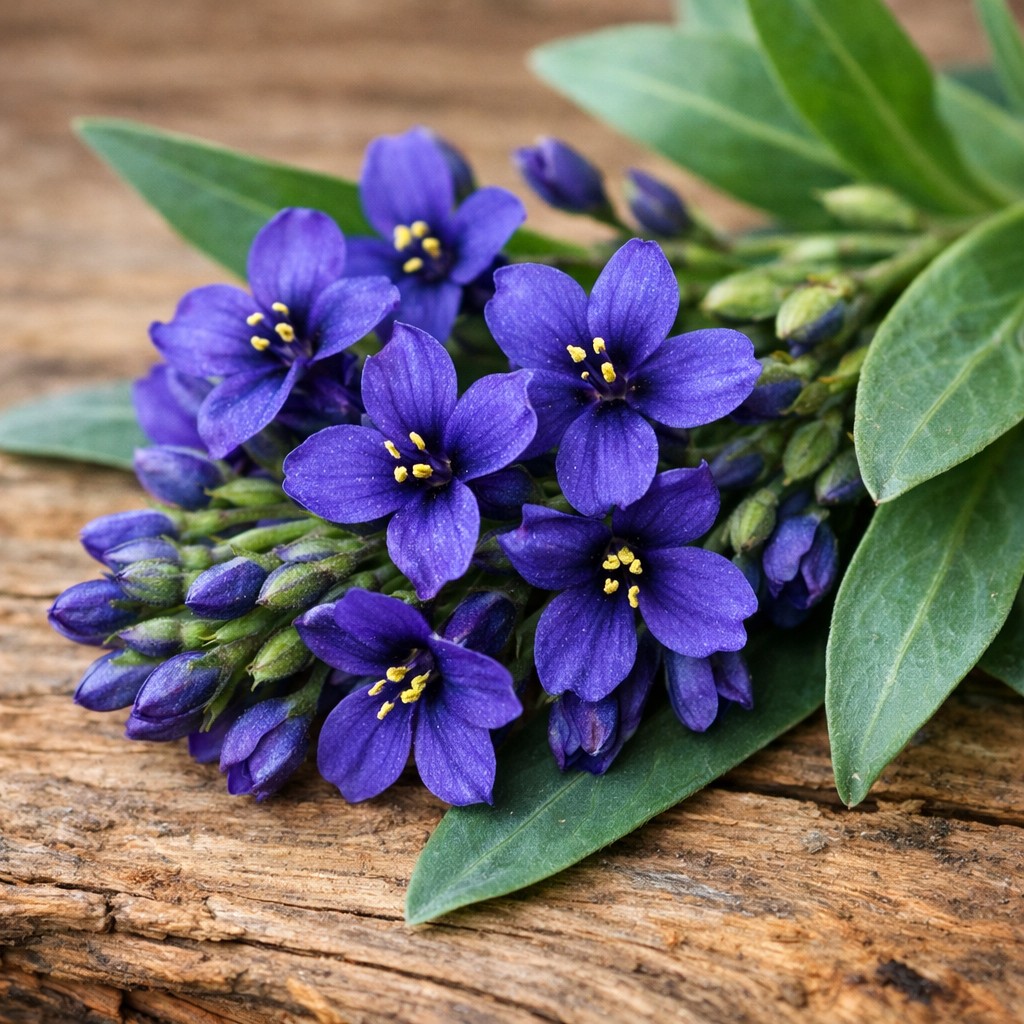
The blue pigments of woad are used as a raw material for dye. The native land of this plant species, which has a limited distribution in Turkey, is the Caucasus. It stands out with its cancer-preventing properties. It contains 65 times more cancer-preventing active substance than broccoli. These are known as blue, yellow, white baptisia. I had read this news from German and English sites, research was done with the blue one. In the 16th century, a physician named Mathioli summarized the plant by saying it is a powerful blood coagulant. Its seeds are used in the kitchen as a spice.
Benefits of Woad:
- It is a powerful antioxidant.
- It has cancer-preventing qualities.
- It helps remove toxic substances from the body.
- It is known to be good for sore throats.
- It prevents Hepatitis A.
- It prevents meningitis.
- It strengthens the immune system against the flu.
- It prevents the formation of measles.
- It prevents the formation of mumps.
- It is known to be good for pharyngitis.
- It is good for diarrhea.
Our herbalists know this topic very well. 1 teaspoon is steeped (not boiled) in 200 ml of boiled water for 10-15 minutes and drunk 2-3 times a day on an empty stomach. It is said to have no known side effects. Its roots contain toxic substances. This plant has different colors, the properties are the same but because it is used as a dye, it is referred to as woad on foreign sites. Since it is from the Brassicaceae family, I would say those with thyroid problems should consult their doctor.